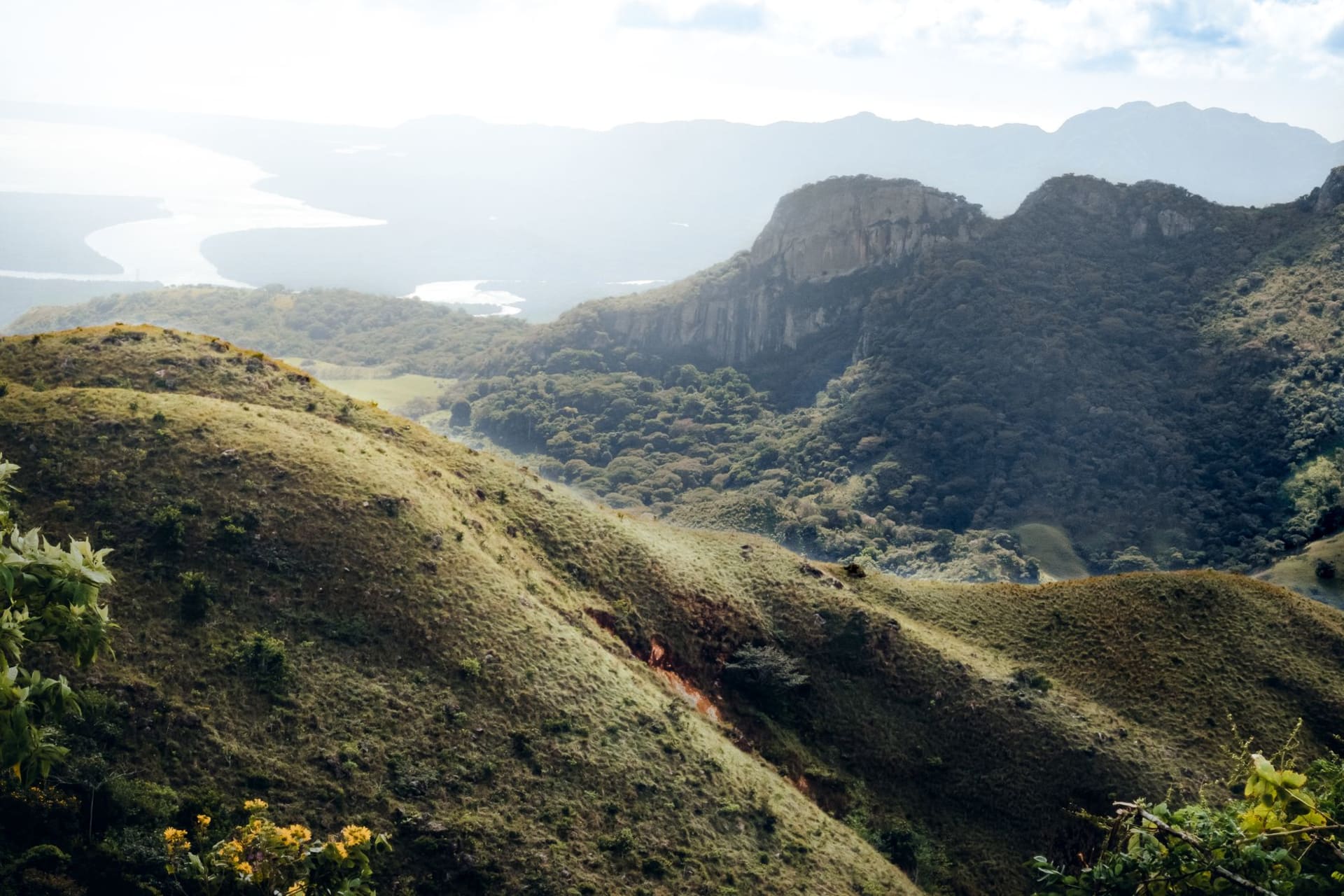
Jaú National Park
"In Jaú, you understand that wilderness doesn't need you to witness it. It was doing fine before you arrived."
The paperwork to enter Jaú National Park takes several days to process in Manaus, and this is by design. The park — twenty-three thousand square kilometres of primary Amazon forest on the Rio Jaú and Rio Carabinani, a UNESCO World Heritage Site and the largest tropical forest national park on the planet — is intentionally hard to reach. The boats that run into it are river craft with outboard engines, the journey three to four hours from the town of Novo Airão. There is no cellular signal inside the park boundary. There are no lodges. There is no infrastructure of any kind beyond the river itself.
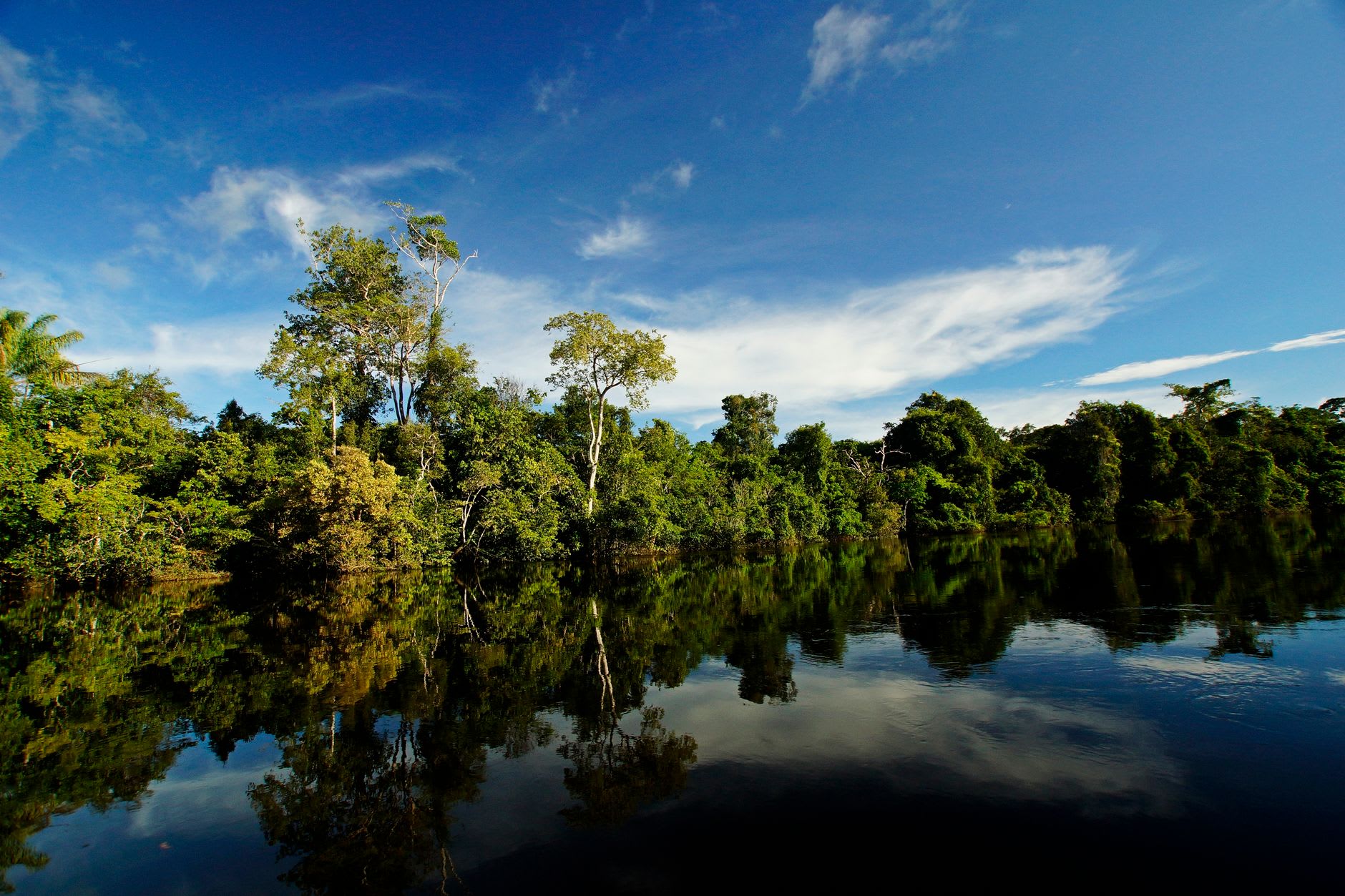
I went with an IBAMA-certified guide who had been running trips into the park for eight years and spoke about the forest with the low-key authority of someone who does not need to perform expertise. We camped two nights on a beach at a river bend, hammocks strung between trees, a small fire for cooking. The Rio Jaú is black water — the same dark tea colour as the Rio Negro, acidic and nutrient-poor at the surface, which means fewer mosquitoes than the muddy-water rivers and a visual quality that keeps stopping you mid-paddle. The trees grow directly out of the water’s edge. At certain hours the reflection is so perfect that the sky appears to be below you.
The fauna here operates on a different scale than the tourist-accessible Amazon. Jaú is far enough from Manaus, and protected thoroughly enough, that the wildlife populations are dense and relatively unhabituated to humans. Giant river otters — nearly wiped out across the Amazon basin by the fur trade of the mid-twentieth century — are present in the park in recovering numbers. We heard them twice before we saw them: a sound somewhere between a bark and a scream, carrying cleanly across the still water. When they finally appeared — a family of five working a stretch of bank together with the systematic efficiency of a team — they were larger and louder and more vivid than any photograph had suggested.

The silence on the third day — which is when the accumulated distance from everything else starts to register in the body — was not emptiness but saturation. The forest was producing sound constantly: birds I couldn’t identify, something large moving in the undergrowth fifty metres away, the water itself making small adjustments against the roots. What was absent was the background frequency of human infrastructure, and without it the forest’s own noise filled the space completely. My guide smiled when I tried to describe it. Agora você está dentro, he said. Now you are inside.
When to go: June to October, during the dry season, for accessible forest trails and navigable shallows. Flood season (December to May) makes the forest passable by canoe in different ways but reduces the beaches and camps available. Permits must be arranged through IBAMA in Manaus at least a week in advance, and the park requires guides certified by the agency. This is not a destination to improvise.