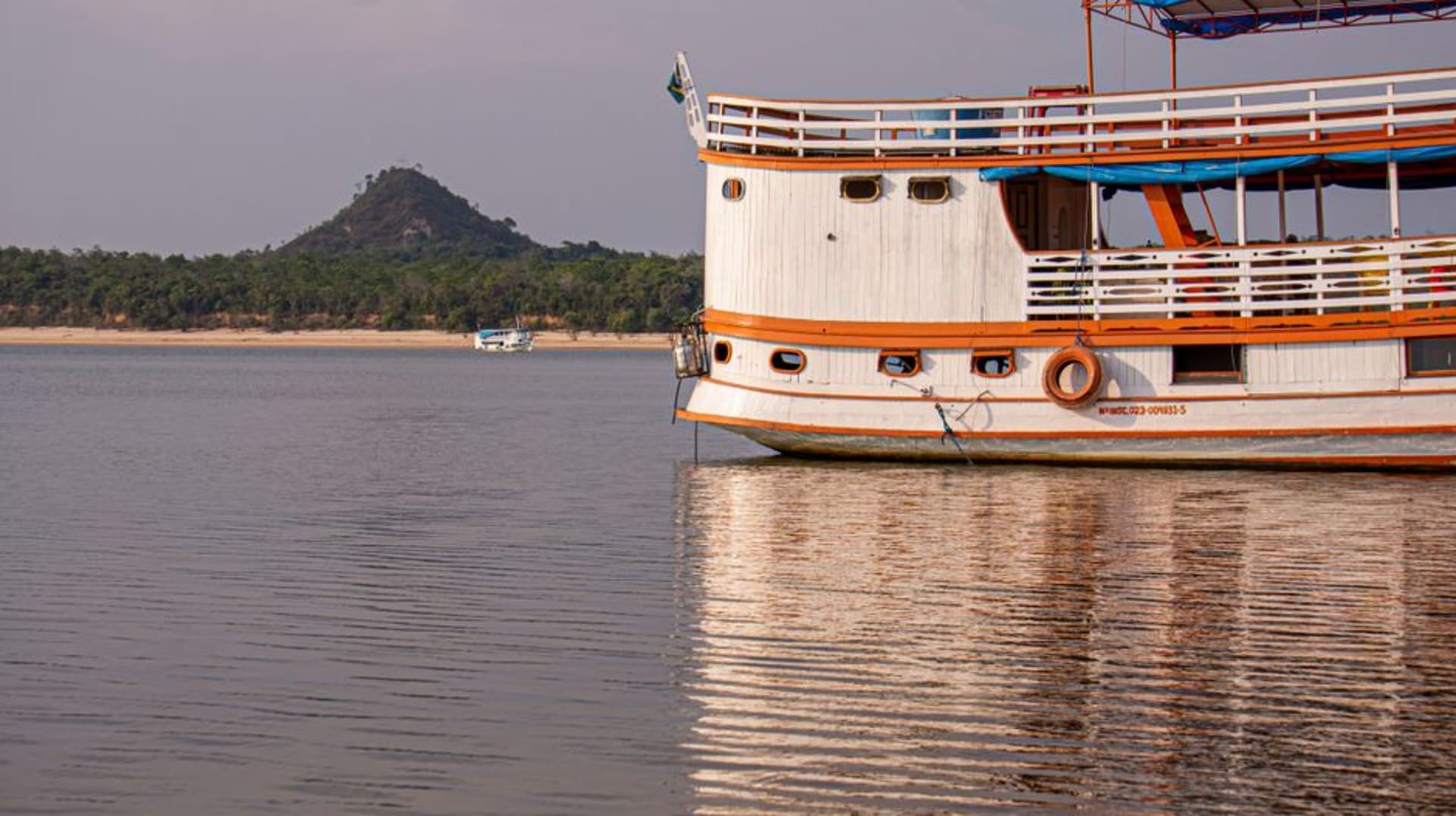
A ten-minute boat crossing from Belem into a world of cacao groves, solar-powered chocolate stoves, and river silence.
Lia spotted the boats before I did, lined up along Belem’s Ver-o-Rio waterfront with their engines idling and their paint peeling in that specific tropical way that somehow still looks good in photos. We’d been told Ilha do Combu was one of about forty-two river islands ringing the city, and that the crossing itself was barely long enough to finish a conversation. It wasn’t. Ten minutes, maybe less, and the noise of Belem was gone, replaced by the flat green line of the Guama River and the smell of wet leaves.
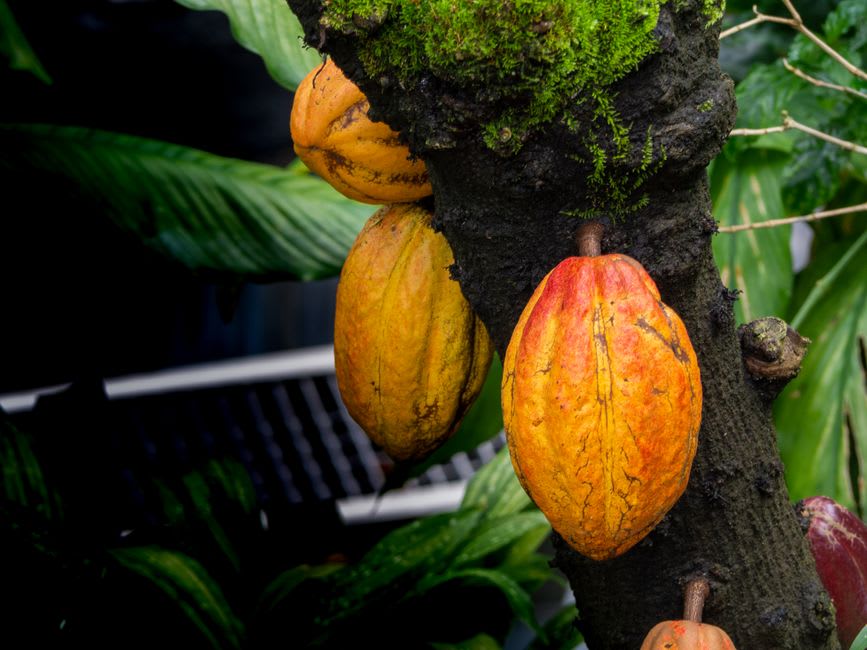
We’d come for the chocolate, honestly, and everyone on the island seemed to know it. Combu has become a fixture on Belem’s so-called chocolate route, and on a weekday morning the workshops still had that unhurried, working-farm feel rather than a tourist-line feel. We ended up at Filha do Combu, the operation run by Dona Nena, whose real name is Izete Costa, and who has built something genuinely impressive out of a few hectares of cacao trees: an agroecological chocolate business that runs on solar power and processes several tons of cacao a year without ever really looking industrial.

What stuck with me was the intercropping — cacao trees planted right alongside banana plants, not for the bananas themselves but because they shelter the native bees the cacao flowers depend on for pollination. Nobody explained it to us like a lecture; a young guy working the roasting pans just mentioned it in passing, the way you’d mention where the kitchen sink is. Lia asked him to repeat it twice because she wanted to get the Portuguese right, and he laughed and just showed us instead, walking us under the canopy where the two plants grew tangled together.
We ate lunch at a stilted restaurant looking straight out over the water, tucked into a plate of shrimp in tucupi that the owner insisted was better than anything we’d get back in Belem, and I’m not going to argue with a woman standing in her own kitchen. By the time we caught the boat back, the island had that end-of-day quiet that only comes when the crowds haven’t arrived to begin with.
When to go: We went on a weekday in the dry season, sometime between July and December, and I’d steer anyone else the same way — the workshops get genuinely packed on weekends, and a lot of what makes Combu special is the quiet.