Rurrenabaque
"The dolphin surfaces at dusk — pink, unhurried, the most improbable thing in a landscape full of them."
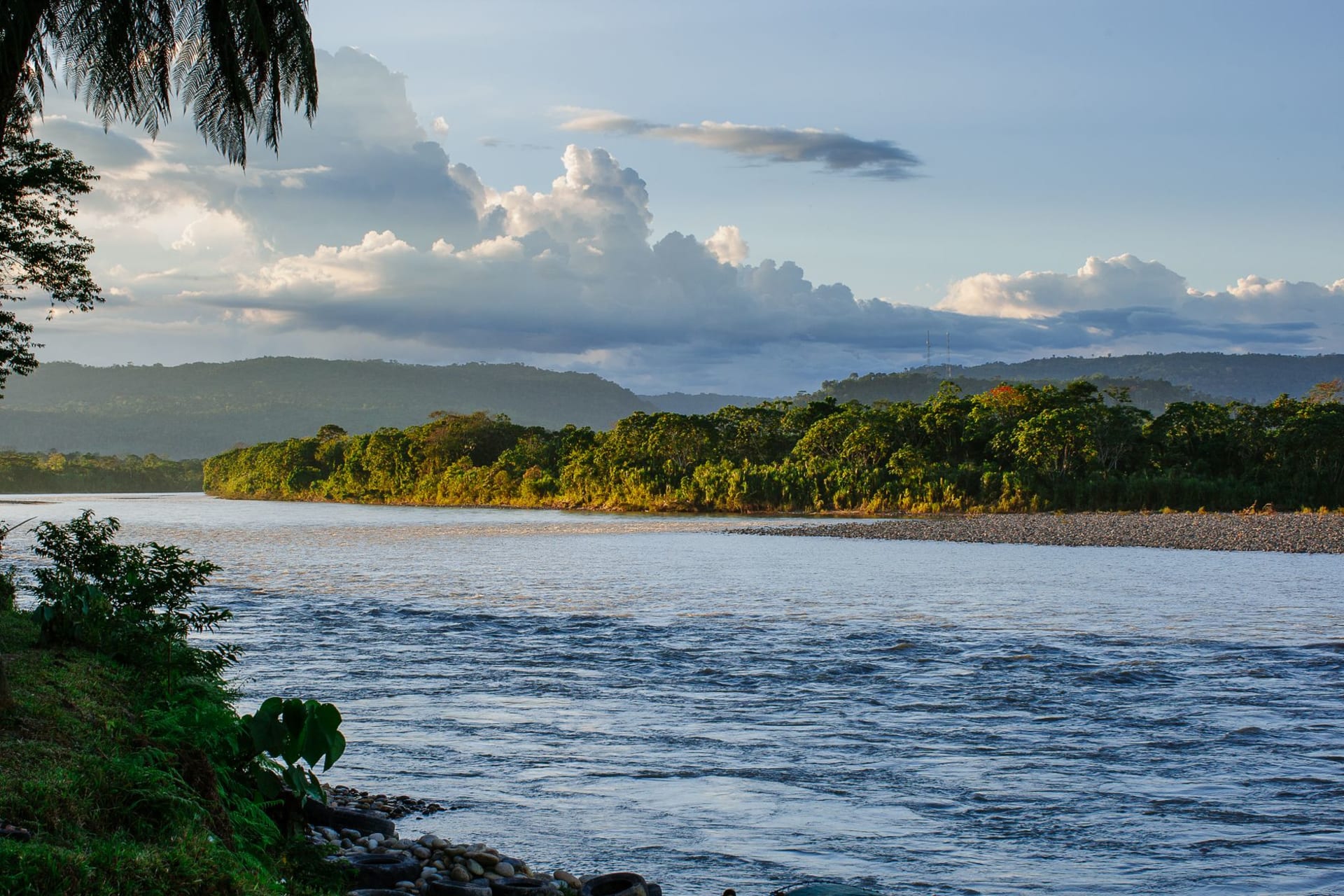
The small plane banked over a wall of jungle and then there was a strip of grass, a metal shed, and three guides with hand-painted signs. That is the airport at Rurrenabaque: a single room, one departing flight per day, and the immediate presence of a heat that is qualitatively different from the heat of the Andes I had just left two hours before. It feels alive here, the humidity carrying something vegetable and animal, the sound of cicadas already dominating everything. A mototaxi drove me the five minutes into town — a main street of painted wooden buildings, a central square with a ceibo tree, the Beni River sliding brown and wide at the edge of it all — and I stood on the riverbank for a few minutes adjusting to the feeling of being somewhere that takes no interest in your plans.
Rurrenabaque sits at the intersection of two ecosystems that could not be more different. To the north and west: the Madidi National Park, one of the most biodiverse places on earth, dense cloud forest and primary jungle that begin almost immediately outside town. To the northeast: the pampas, a vast seasonal wetland where the jungle gives way to open grassland and shallow rivers, the landscape more African savanna than Amazonian canopy. Most visitors do both. I did both in three days and came back slightly disoriented, as if I had been to two different continents.

The pampas is where the pink dolphins are. The boto — Inia geoffrensis — inhabits the river channels of the Bolivian Amazon, and in the Yacuma River outside Rurrenabaque they are reliably present in the late afternoons, surfacing with a sound that is somehow both prehistoric and casual. I was sitting in a canoe with our guide and two other travelers when the first one came up beside us — distinctly pink, not grey, the color of a faded flamingo — and rolled at the surface in a way that seemed almost theatrical. They kept appearing, four or five at once, and each time the reaction in the boat was the same: a small collective intake of breath, then silence.
At night in the pampas camp I sat on the dock and listened to caimans in the river below. The guide walked the bank with a headlamp, catching the orange reflections of their eyes in the reeds — dozens of them, just below the surface, absolutely still. I did not swim in the river again after that. In the jungle camp, deeper in the Madidi sector, things were different but equally vertiginous: a tapir track in the mud outside camp at three in the morning, a glass frog on a leaf so transparent you could see its heart beating, a harpy eagle — the largest eagle in the Americas — perched above the trail for seven long minutes while we stood beneath it not daring to whisper.

The town itself is simple and pleasant without being precious. The restaurants along the main street serve grilled river fish and rice and beans and the cold beer is very welcome after a day in the heat. There is a collective spirit here between the local guides, many of them from the Tacana and Mosetén indigenous communities, who have been running the ecotourism operations for decades and carry the knowledge of the forest with a matter-of-factness that is more impressive than any formal credential. My Tacana guide spoke of the plants and animals the way someone speaks of old acquaintances — particular, specific, relational. After three days in the field with him I felt that I had been introduced to a place, not just shown it.
When to go: May through October is the dry season — the pampas rivers are lower, wildlife concentrates along water sources, and the pink dolphins are most reliably spotted. The jungle is accessible year-round but the wet season (November to April) can make trails very muddy. June through August is peak season; book guides and accommodation in advance. The small plane from La Paz fills quickly — flexible dates help.