Americas
Amazon Basin
"Nothing prepares you for the silence of a jungle that is never actually silent."
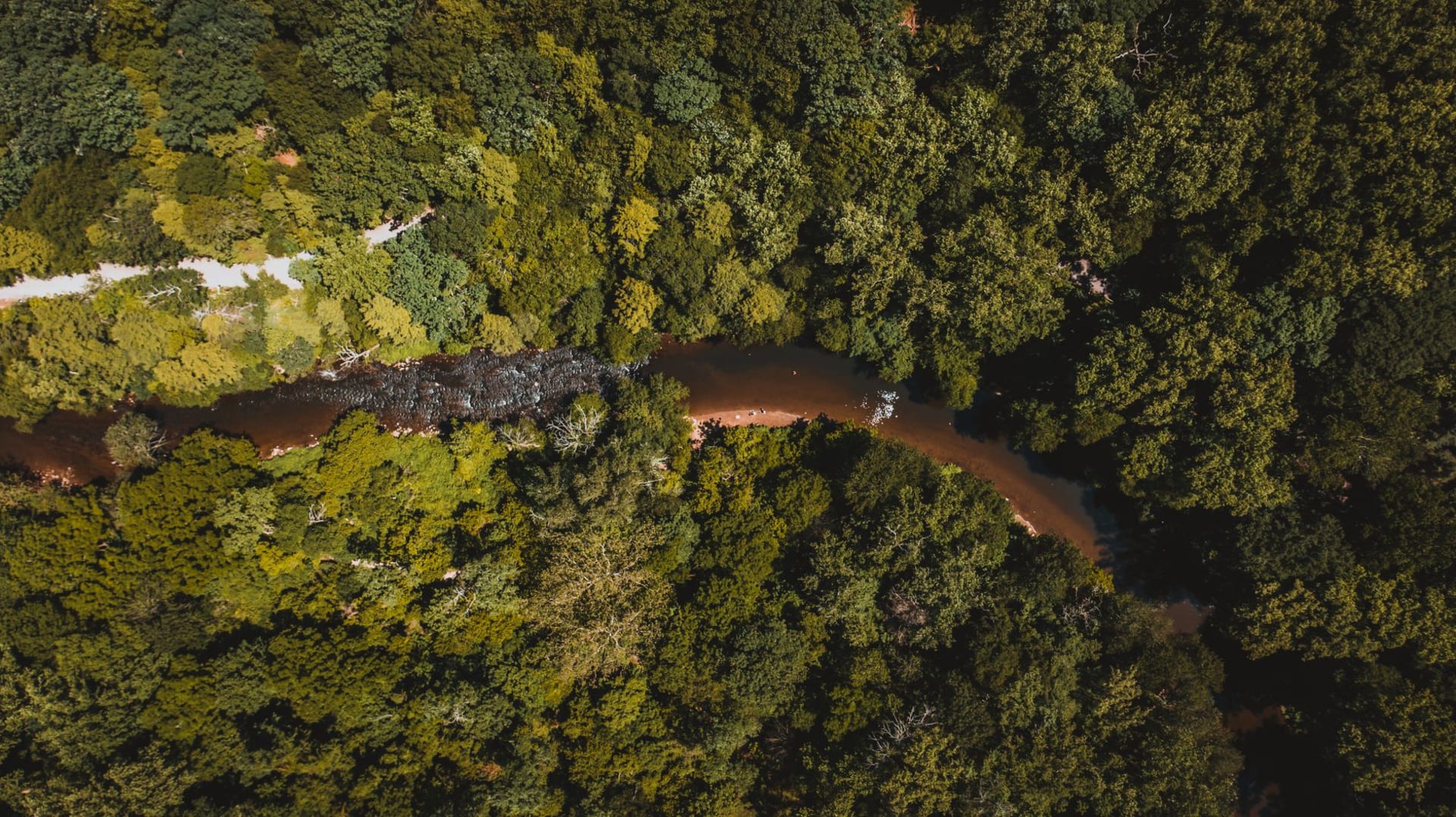
The boat leaves Manaus before sunrise, and for the first half-hour you are still in something recognizable — brown river, distant shore, the odd floating house. Then the Rio Negro swallows the smaller waterways and the forest closes in on both sides, and you understand that you have entered a system rather than a place. The Amazon Basin is not a destination the way Paris is a destination. It is a fact about the earth that you are choosing to confront in person.
I spent three weeks moving between Manaus, the Javari Valley, and a small ecolodge near Tena on the Ecuadorian side of the basin — and the experience shifted something fundamental in how I think about wilderness. The noise alone is disorienting at first: frogs, macaws, howler monkeys, insects producing a wall of sound that continues without pause through the night. Your jungle guide, if you have a good one, will stop mid-trail and point at something you would have walked past — a poison dart frog the size of a thumbnail, a sloth hanging motionless thirty metres up, a column of army ants dismantling a fallen tree with the efficiency of a machine. The density of life operating at every scale simultaneously is genuinely overwhelming. I found myself just standing still, trying to pay attention to it all, which is not a feeling I have often in travel.
The river towns are their own world. Manaus is a city of two million people in the middle of nowhere, with a nineteenth-century opera house — the Teatro Amazonas — that remains one of the stranger sights in South America. The mercado municipal sells smoked pirarucu, river turtle, tacacá soup with jambu leaves that numb your tongue, and açaí in its real form: thick, sour, dark purple, nothing like the sweetened version you know from elsewhere. Eat at a simple lanchonete near the port. Order whatever the woman behind the counter says is good. You will not be disappointed.
When to go: June to November is the low-water season — river beaches appear, wildlife concentrates along remaining water sources, and trails are passable. February to May is flood season: the forest floor disappears under metres of water and you navigate the treetops by canoe, which is extraordinary in its own right. Both seasons are hot and humid without exception.
What most guides get wrong: They treat the Amazon as a single destination with a single experience. The Brazilian, Peruvian, Ecuadorian, and Colombian sides of the basin are radically different in terms of access, infrastructure, indigenous community presence, and what you can actually see and do. Research the specific region you want to visit, not the Amazon in the abstract — and budget for a local guide. The jungle without local knowledge is just trees.