Novo Airão
"A dolphin took fish from my hand in a river the color of dark tea, and I could not account for any of it."
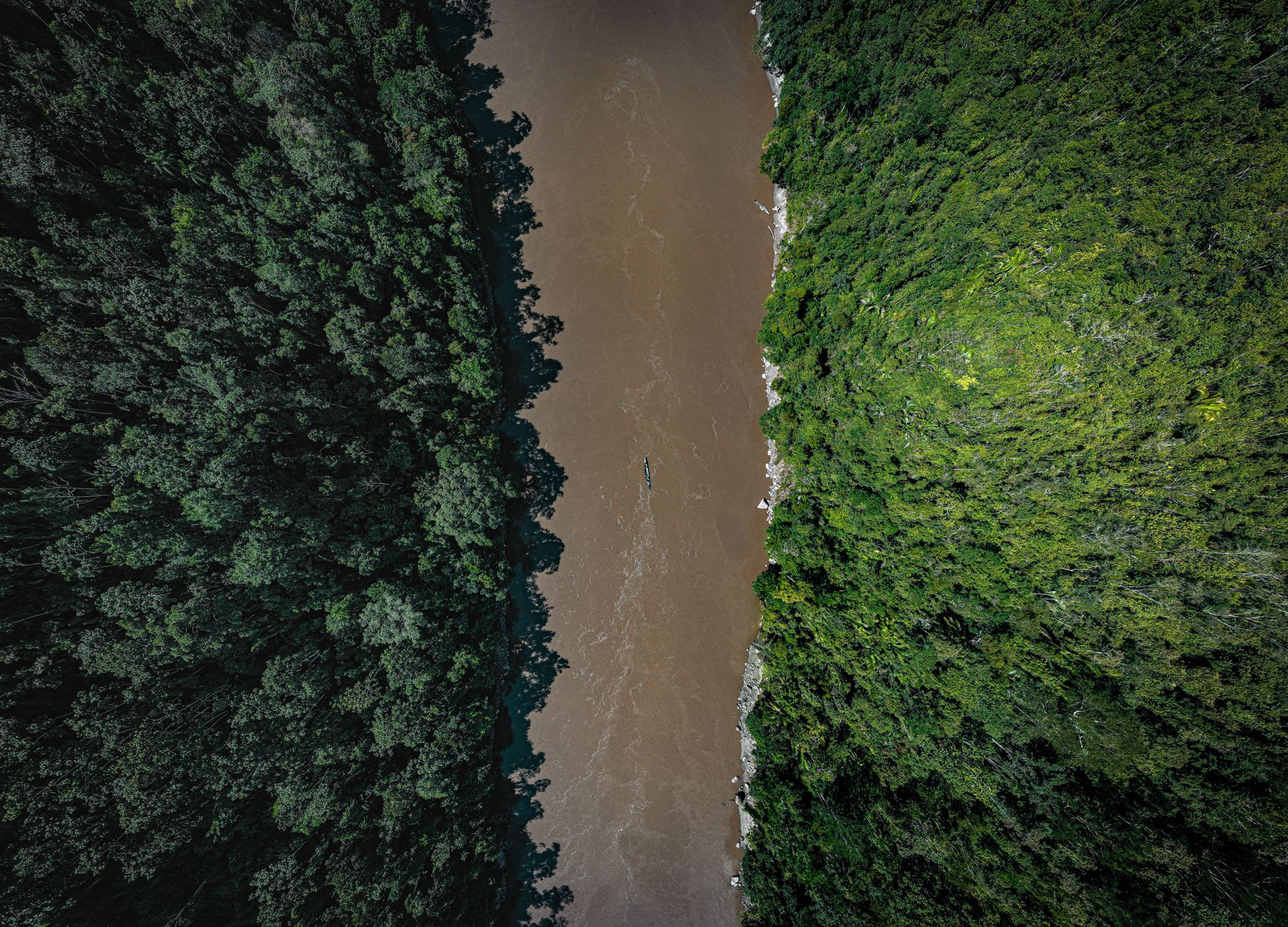
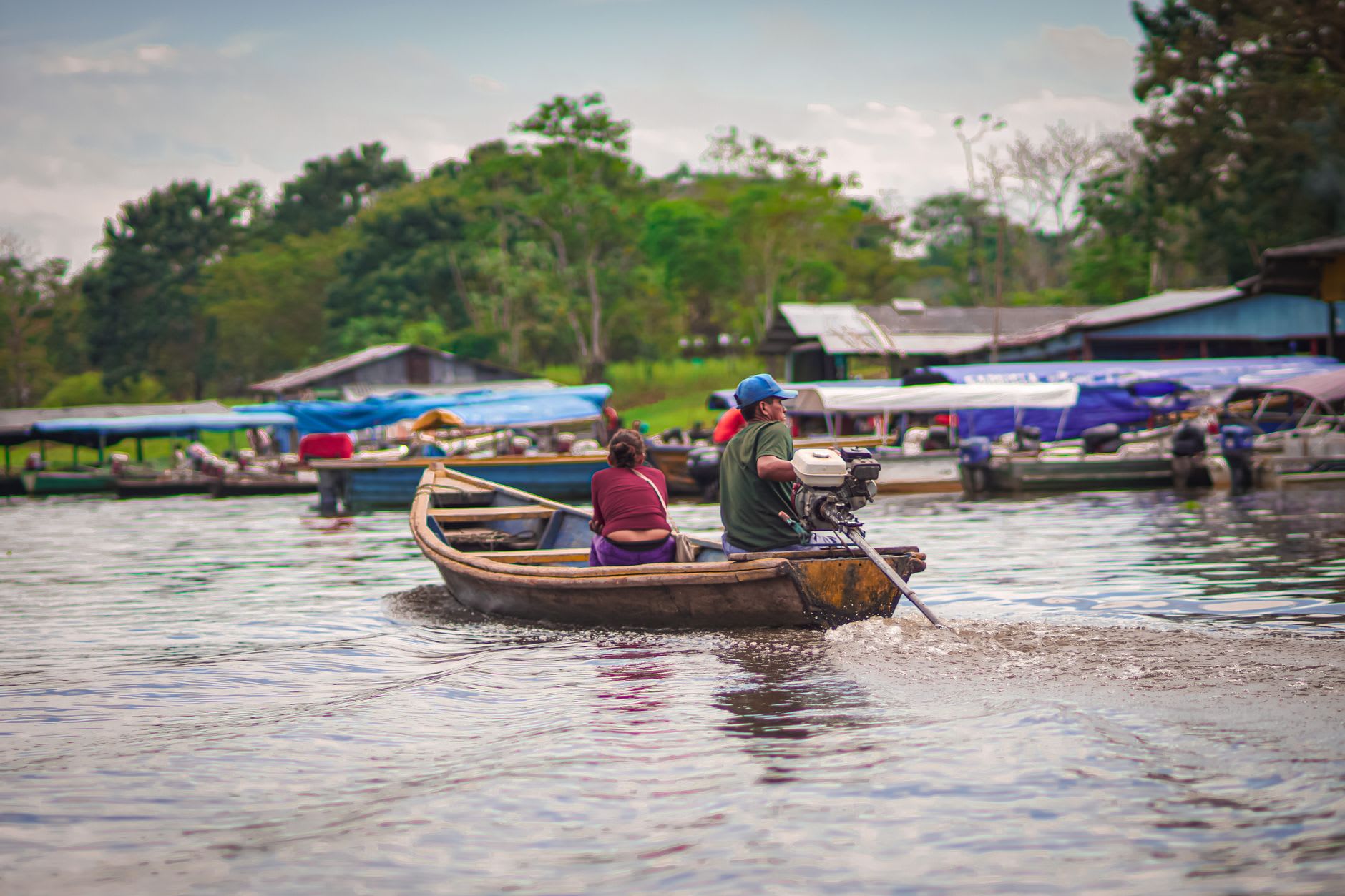
The boat from Manaus takes three hours on the Rio Negro — three hours through water so dark with tannins it looks like black tea in a glass and reflects the sky with unusual clarity when the surface is still. The forest on both sides is continuous and close, the river itself narrower than the Amazon proper, and the afternoon light on the water has a quality I haven’t found a word for: amber, but also deep, as if the light has some thickness to it. I sat on the roof of the regional ferry eating crackers and watching the shore and didn’t feel the need to do anything else. By the time the dock at Novo Airão appeared around a bend — a small wooden pier, a fuel depot, three or four people watching the boat arrive — I was already in a different relationship with time.
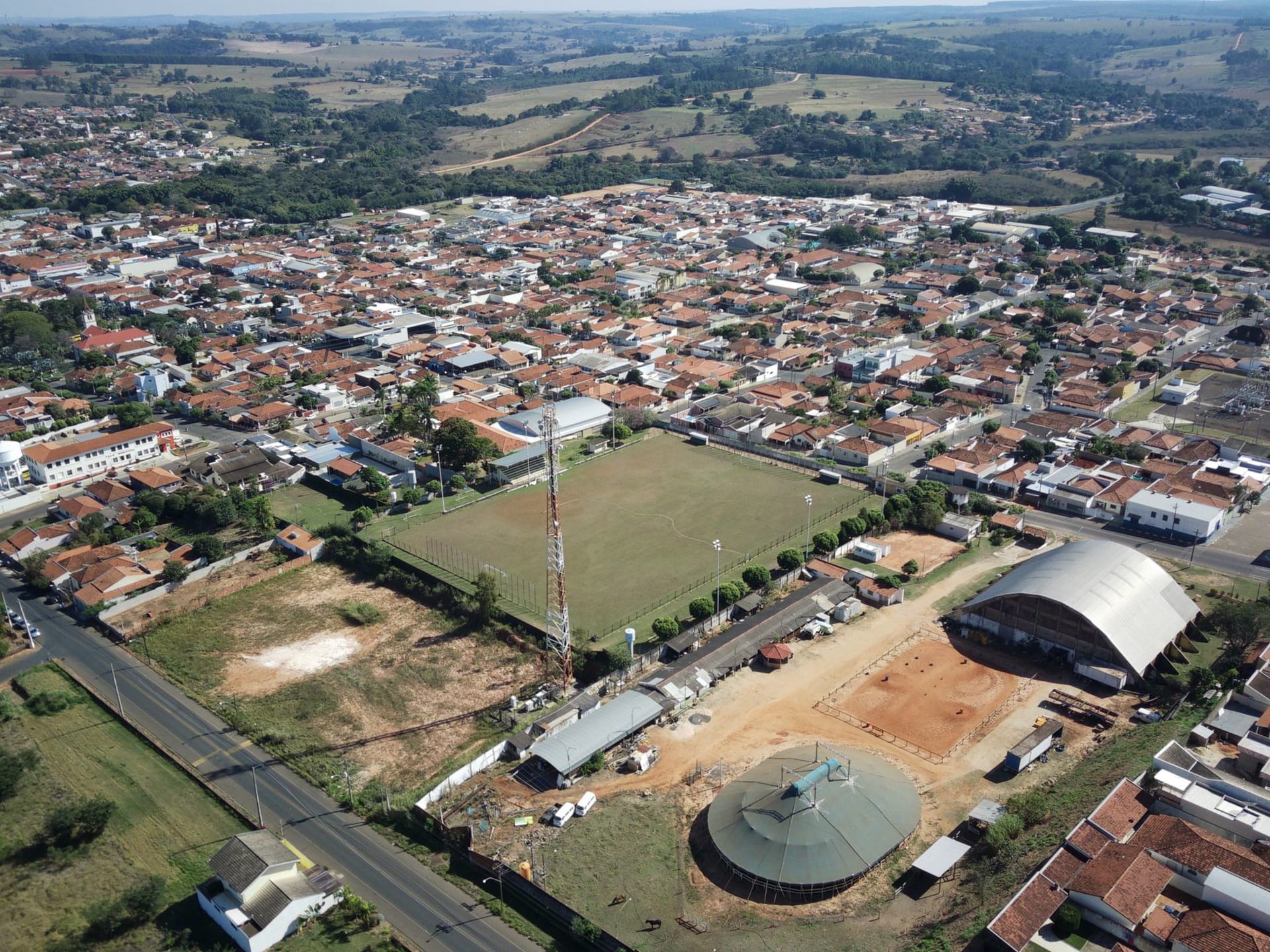
Novo Airão is a town of about twenty thousand people that feels considerably smaller. The main street runs along the riverfront; behind it, two or three blocks of residential streets and then the forest begins, abrupt and absolute. There is one hotel I would call a hotel; several guesthouses that are essentially families renting out spare rooms; a handful of restaurants serving river fish and rice; and a waterfront bar where I spent two evenings watching the river go dark. The infrastructure for visitors is minimal and the town hasn’t yet decided whether it wants more — a tension that is visible in the conversations at the waterfront, where opinions vary on the river dolphin tourism that brings most of the foreign visitors here.
The dolphins come every day. The boto — Inia geoffrensis — has learned, here in Novo Airão, that the fish stalls at the waterfront mean free meals, and a small group of them arrives around feeding time each afternoon to receive fish directly from human hands. It has been happening for long enough that the dolphins are fully habituated, and the interaction is extraordinary in a way that is distinct from any wildlife encounter I can compare it to. These are not captive animals — they come from the river and return to it — but they are also not wild in the usual sense, not shy or cautious. They surface at arm’s length, the snout emerging from the dark water with complete assurance, and they take the fish with a gentle precision that is somehow more affecting than aggression would be. The skin is pink and smooth and slightly waxy under the fingers. The eye, small and brown and more intelligent-looking than I expected, holds your gaze for a moment before the animal sinks again. I stood at the dock long after the fish had run out.
The Anavilhanas Archipelago begins just south of town — the world’s largest freshwater archipelago, several hundred islands of varying size scattered across the Rio Negro, forested and still, accessible by small boat or kayak. I rented a kayak for a day and paddled through channels between the islands, the water utterly still in the calmer passages, the trees rising directly from the surface, their roots submerged in the black water. The silence in those channels was the most complete I experienced in the Amazon: no engine sounds, no human voices, just the sound of the paddle and occasionally a bird I couldn’t see. I felt, for an hour in the middle of the day, genuinely alone on the planet. It was briefly frightening and then, slowly, deeply pleasant.
In the evening I ate grilled jaraqui, a small river fish with many bones, at a restaurant that set tables directly on the concrete riverfront when the weather was clear. The owner brought it with farofa and a cup of river turtles’ eggs in season — locally legal here, consumed with the casualness of something that has always been eaten, the ethics complicated and context-specific in a way I wasn’t able to resolve quickly. I ate the fish and the farofa and watched a boto surface once more in the last light, fifty metres from the restaurant, without any apparent agenda.
When to go: June through November is the dry season — the river drops, beaches appear on the archipelago’s sandbars, and the boto viewing is consistent. December through May is flood season: the Anavilhanas channels are at their most navigable, the forest canopy is reachable by boat, and the ecosystem operates in its fully flooded mode. The boat from Manaus runs daily; leaving early morning gives you the full afternoon at the dolphin dock. Novo Airão is close enough to Manaus for a day trip but deserves at least two nights.