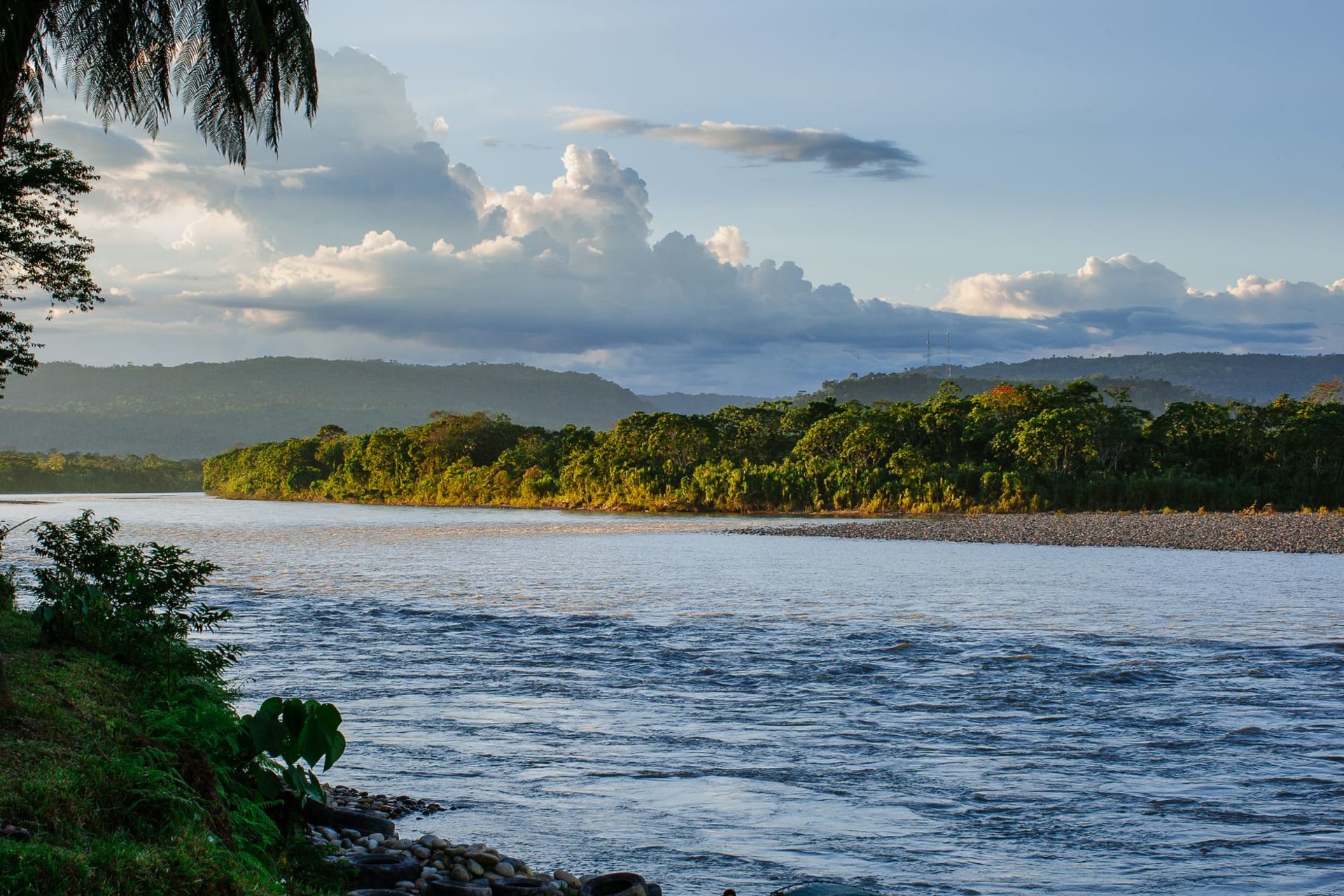
Madidi National Park
"Someone told me Madidi has more bird species than the whole United States, and after three days on the Tuichi I stopped being skeptical."
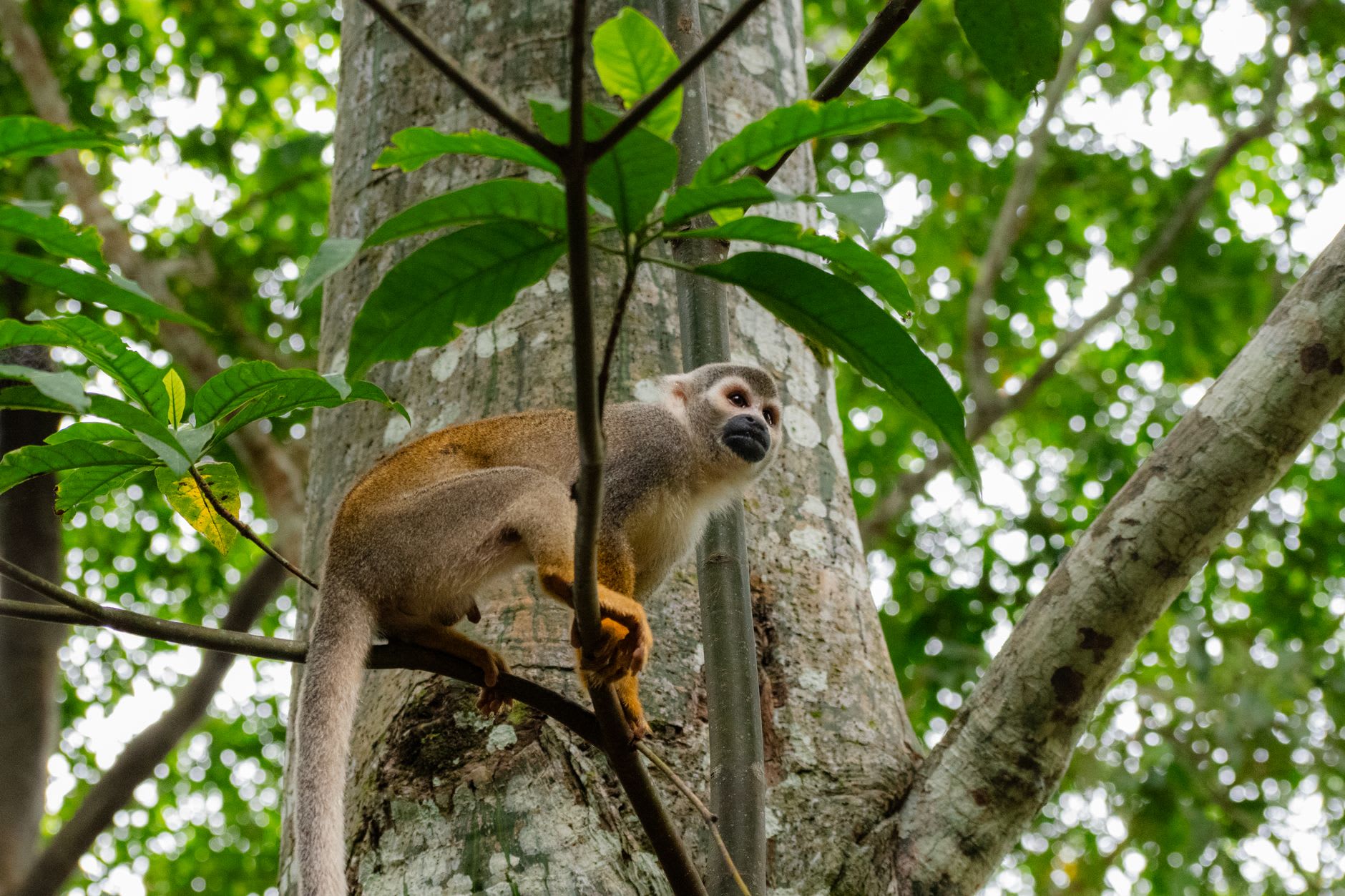
We reached Madidi the way most people do, by boat up the Beni and then the Tuichi River from Rurrenabaque, a sleepy river town that smells of diesel and ripe fruit. The motorized canoe ran for hours against a brown, swollen current, the pilot reading the river with the kind of casual expertise that’s far more reassuring than any safety briefing, and the forest closed in on both banks until it felt less like a landscape and more like a wall with depth. Lia counted seven kinds of bird before we’d even left sight of town, and gave up somewhere around the first troop of squirrel monkeys crashing through the riverside branches.
The most alive place I have been
Madidi protects an almost absurd range of altitudes — from below 200 metres in the Amazon lowlands to nearly 6,000 metres in the Andes — and that vertical sweep is why it routinely tops the lists of the most biodiverse parks on Earth. Statistics get thrown around: more than a thousand bird species, hundreds of mammals, numbers of plants nobody has finished counting. I’m naturally suspicious of that kind of brochure superlative, but three days in, walking a forest trail at dawn, I understood it differently. It wasn’t the rare megafauna; it was the sheer density of ordinary life, the constant low hum of insects and frogs and movement in the leaf litter, the sense that every square metre was occupied and busy.
We stayed at an eco-lodge run by the Indigenous community of San José de Uchupiamonas, which is the right way to do Madidi for reasons that go beyond comfort. Our guide, Wilson, had grown up in the village and knew the forest as a working place rather than a spectacle. He showed us a tree the community taps for medicine, the claw marks where a jaguar had marked a trail, and a column of leaf-cutter ants carrying green flags across the path in a procession that he clearly found as entertaining as we did. When I asked, slightly hopefully, about jaguars, he just smiled and said they see you far more often than you see them. I chose to find that comforting.
Nights, caimans and a humbling silence
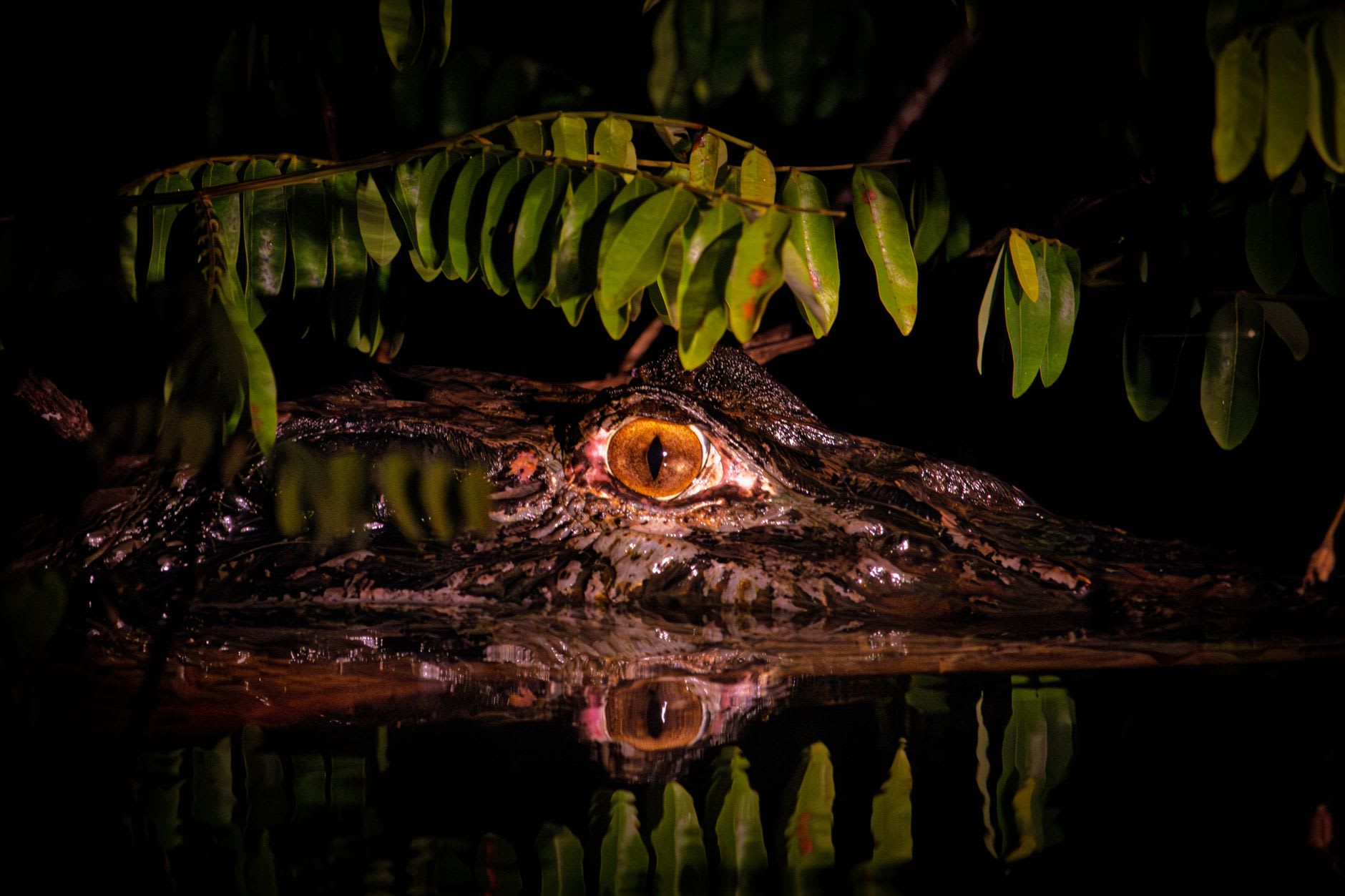
The nights were the part I wasn’t ready for. After dinner Wilson took us out on the river in the dark, sweeping a torch across the banks, and the beam kept catching pairs of small orange embers low on the water — the eyes of spectacled caimans, dozens of them, holding perfectly still. Overhead the sky was scattered with stars in the gaps between clouds, and the noise of the forest at night is genuinely overwhelming, a wall of sound with no off switch.
What stays with me most, though, was a moment Wilson engineered deliberately. He stopped us on the trail, told us to turn off our headlamps and simply not speak for two minutes. Standing there in the absolute dark of the rainforest, with that deafening chorus all around and not one human-made light or sound anywhere, I felt small in a way that was the opposite of unpleasant. Lia reached for my hand in the dark, which I only knew because she found it.
When to go
The dry season, roughly May to October, is the practical window — lower water, fewer mosquitoes, more reliable trails — though the rivers can be low for boats late in the season. November to April is hot, wet and intensely green, with the heaviest rains around January and February. Go through a community-run lodge out of Rurrenabaque; it is both the better experience and the more responsible one.