Iwokrama Forest
"Lia grabbed my arm on the walkway and whispered, 'that's not a bird, that's a harpy eagle' — and I still get chills thinking about it."
A 371,000-hectare wilderness in central Guyana where jaguars, giant otters and black caiman still outnumber the visitors.
I’ll admit it took me a while to find Iwokrama on a map before we went. It’s tucked into Guyana’s Rupununi region, a reserve so far from anything resembling a city that the drive in from Georgetown eats most of a day. But that isolation is exactly the point — 371,000 hectares of rainforest set aside since 1996, half of it kept as strict wilderness and never touched, the other half managed as a live experiment in what sustainable logging could actually look like. Lia and I arrived at dusk, and the first thing that hit me wasn’t a sight but a sound: the forest between the Essequibo and Siparuni rivers doesn’t go quiet at night, it gets louder.
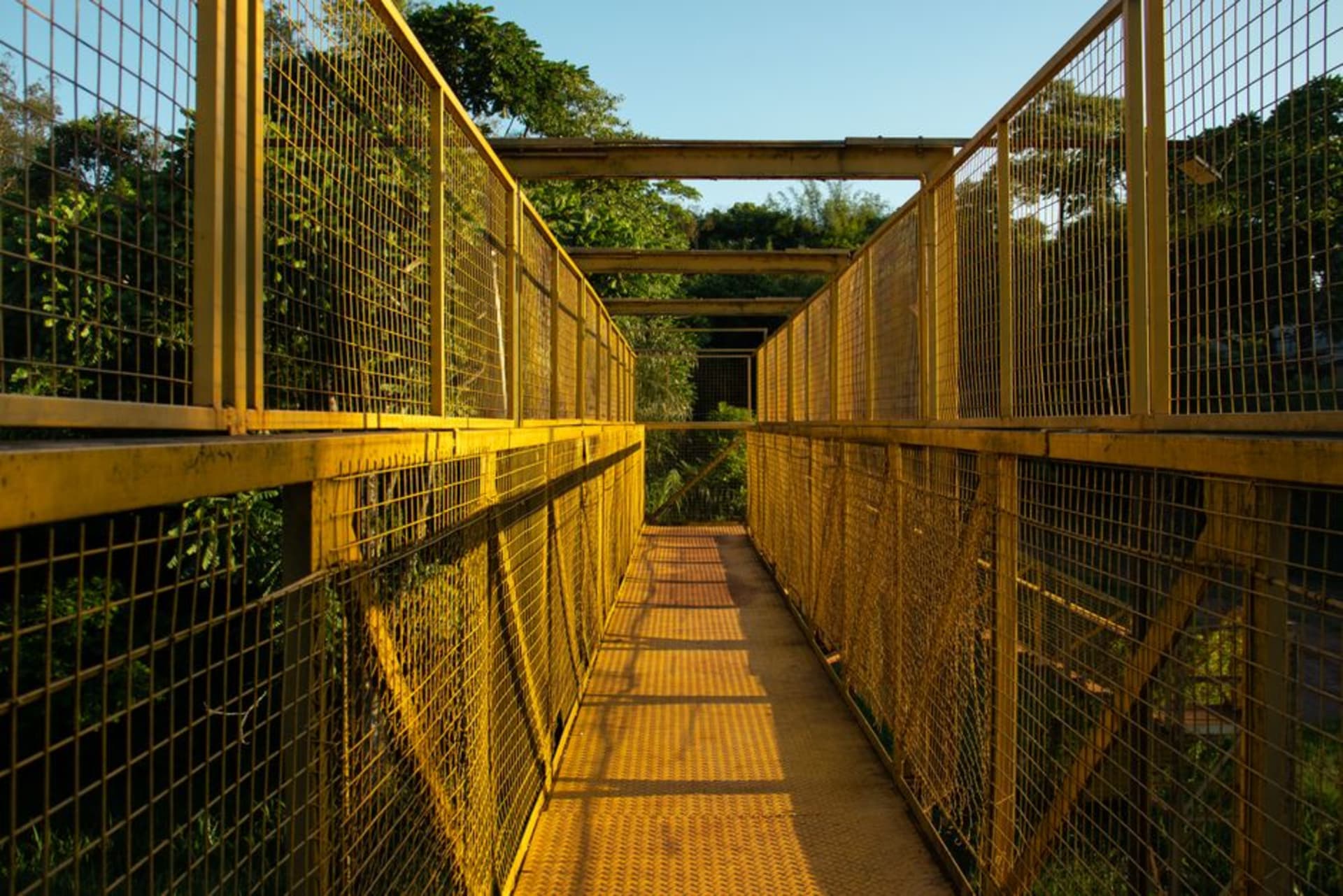
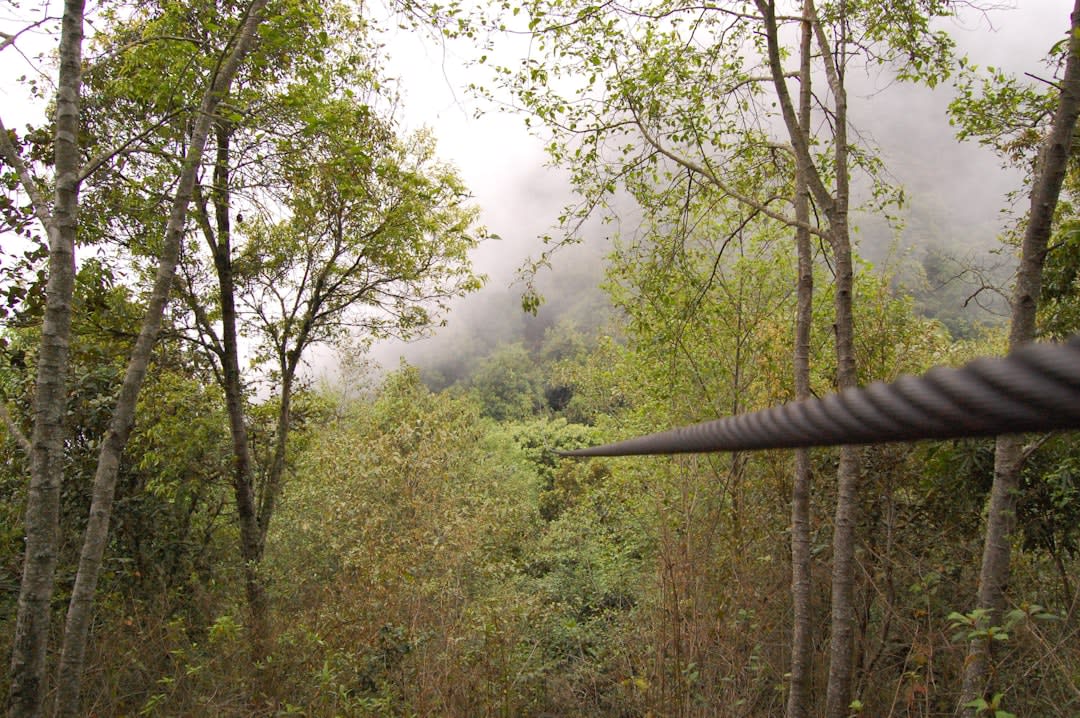
We stayed close to Atta Rainforest Lodge so we could get an early crack at the canopy walkway, and I’m glad we did — showing up at first light meant we had the thirty-meter-high walkway almost to ourselves before the heat set in. Standing on that swaying suspension bridge at eye level with the canopy, watching mist peel off the treetops, was the closest I’ve felt to being inside a forest rather than just walking through one. That’s where the harpy eagle sighting happened, and where I finally understood why people who’ve spent years in the Amazon still talk about Iwokrama with a kind of reverence.
The river was its own world entirely. We went out one evening in a small boat along the Essequibo with a guide who cut the engine and let us drift, flashlight scanning the black water for eyes catching the light — and Iwokrama holds one of the healthiest black caiman populations left anywhere, so it didn’t take long. We never saw a jaguar, which our guide told us frankly was the expected outcome, not a failure — but the giant river otters more than made up for it, a whole family of them working the shallows together, loud and unbothered by our boat drifting nearby.
What stayed with me after we left wasn’t any single animal, though. It was the sense that Iwokrama exists as a working question — can a forest this rich be protected and used at the same time — and that Guyana has been quietly testing the answer for three decades within the wider Guiana Shield, right at the Amazon Basin’s northern edge. We left with mud on our boots and no real answers, but plenty of respect for the people trying to find them.
When to go: We went in the dry season, September through November, and I wouldn’t do it any other way — the trails stay passable and wildlife gathers more predictably around the rivers, though nothing here is ever guaranteed.