Ukok Plateau
"The plateau doesn't ask if you're ready. It just begins, and it doesn't end, and eventually that's enough."
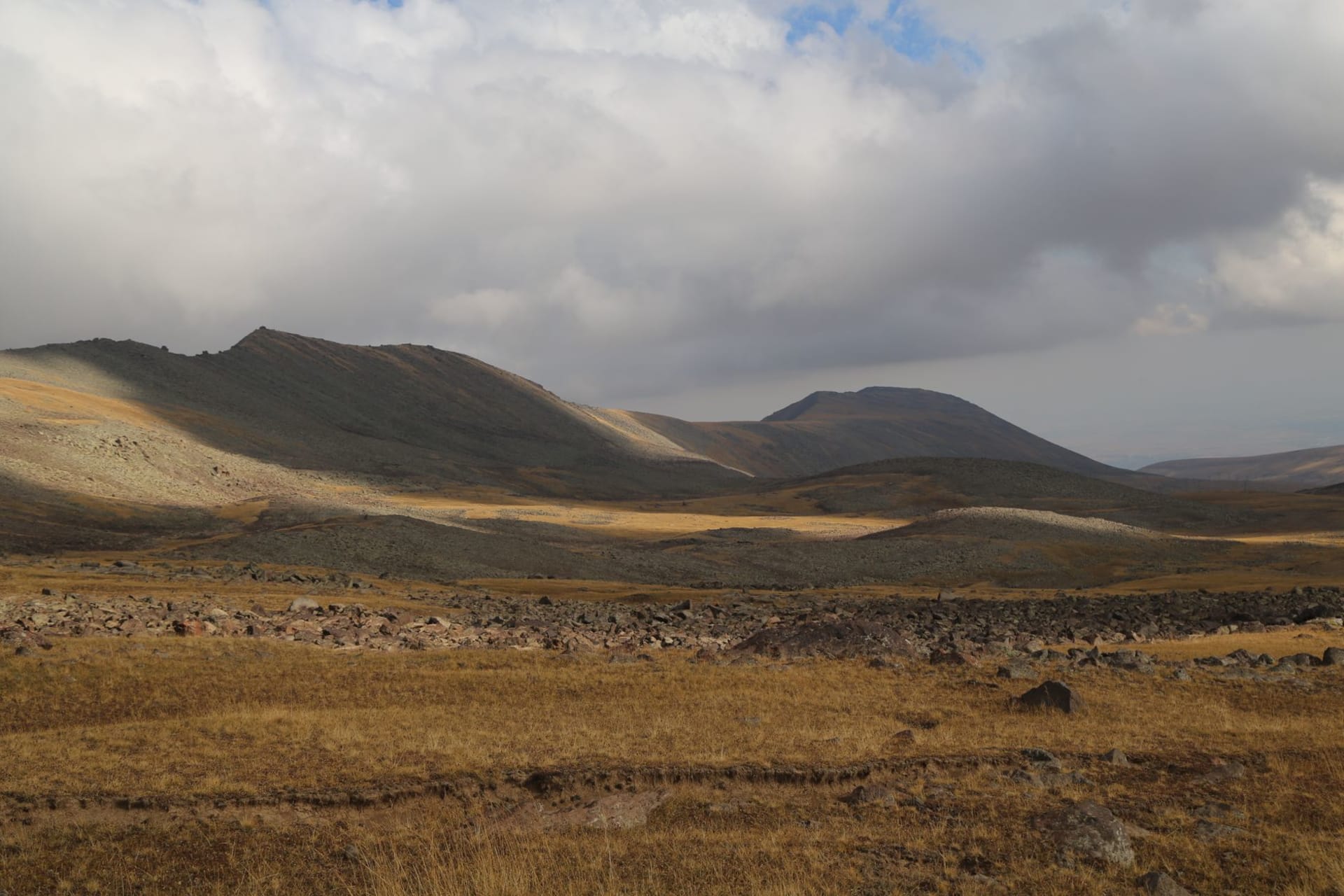
The Ukok Plateau begins before you expect it to and ends the same way. The road from Kosh-Agach climbs through a series of switchbacks and then levels out into something that is not quite steppe and not quite tundra — a vast, almost featureless expanse at 2,500 metres where the grass is short and bronze-coloured, the sky is enormous, and the wind is constant. I had been warned about the wind. The warning was insufficient. It comes at you from every direction simultaneously, not gusting but pressing, as if the plateau is testing whether you have any business being here.
I had come because of the Ice Maiden. In 1993, a Novosibirsk archaeologist named Natalia Polosmak excavated a kurgan — a burial mound — on this plateau and found the frozen remains of a young Pazyryk woman, tattooed and elaborately dressed, preserved by the permafrost for 2,500 years. The discovery reordered what was known about Scythian culture and the ancient peoples of the Altai. The Ice Maiden is now in a museum in Novosibirsk, but the kurgans are still here — hundreds of them, low stone circles scattered across the plateau like punctuation in a language no one fully reads anymore.
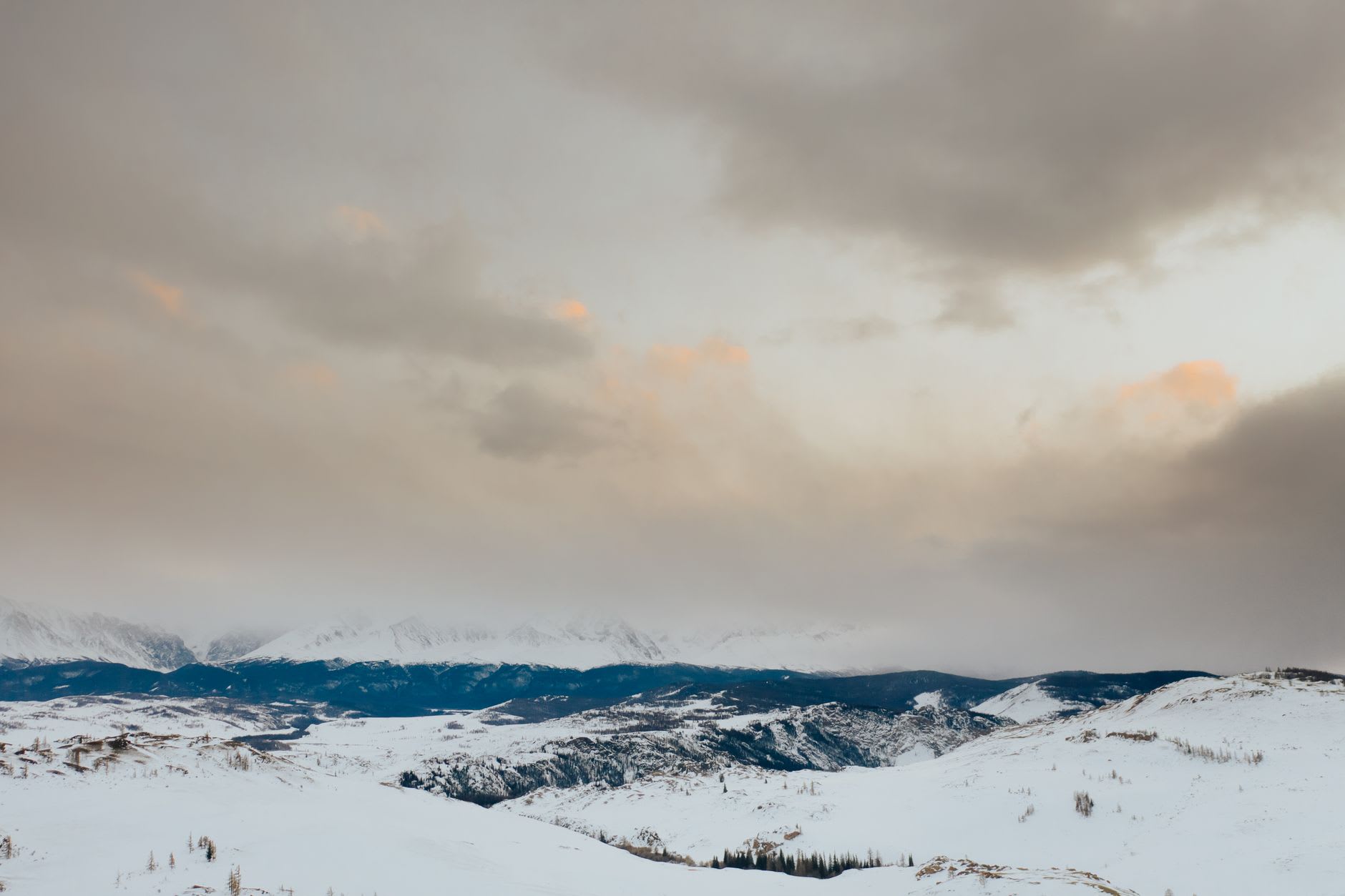
Standing beside one of the burial mounds, I thought about what it means to bury someone in a place like this. The choice of location is clearly intentional — the plateau commands views in every direction, the horizon unobstructed for sixty kilometres in clear weather. Whoever chose it understood something about grandeur and permanence that I was only beginning to grasp by being here. At the same time, the Altaian people never wanted the Ice Maiden excavated; her removal, they said, disturbed the spiritual order of the plateau and caused subsequent floods and earthquakes in the region. By 2012, a Sakha Republic committee had formally requested her return. The archaeology and the sacred are not reconciled here. They are simply coexistent, and uncomfortable about it.
The plateau today is a nature reserve — the Ukok Quiet Zone — and access requires a permit and usually a 4WD vehicle willing to ford several rivers with no bridges. I rode with a geologist from Barnaul who had been coming here for fifteen years and knew which rivers were passable in which month and which banks were firm enough to drive on. On the second day we saw a snow leopard — or I think we did. A pale shape on a rocky hillside that moved once and then didn’t. He just nodded. Said it happened about once every three trips.
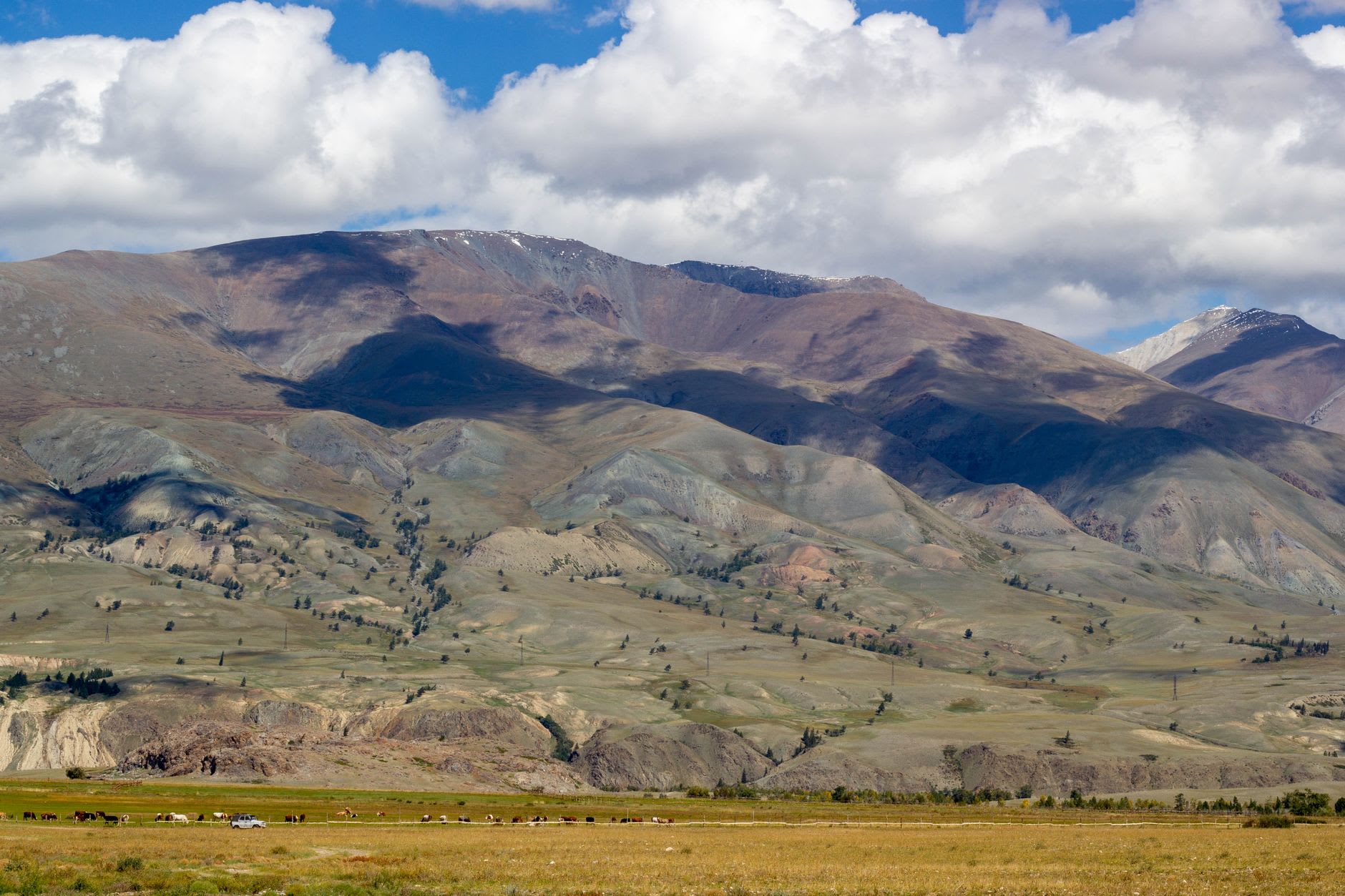
At night the temperature dropped toward zero even in August, and we cooked over a camp stove while the plateau went dark around us, completely and instantly, as if someone had switched off every available light at once. The stars that emerged were not the soft stars of lower altitudes. They were hard and multiple and overhead in a way that made the tent feel like an imposition on a landscape that had been doing perfectly well without shelter.
When to go: July and August are the only months with reliable vehicle access. Even then, river levels vary and a 4WD with high clearance is essential. Come prepared for cold nights regardless of summer dates — the plateau’s altitude makes temperature drops fast and steep.