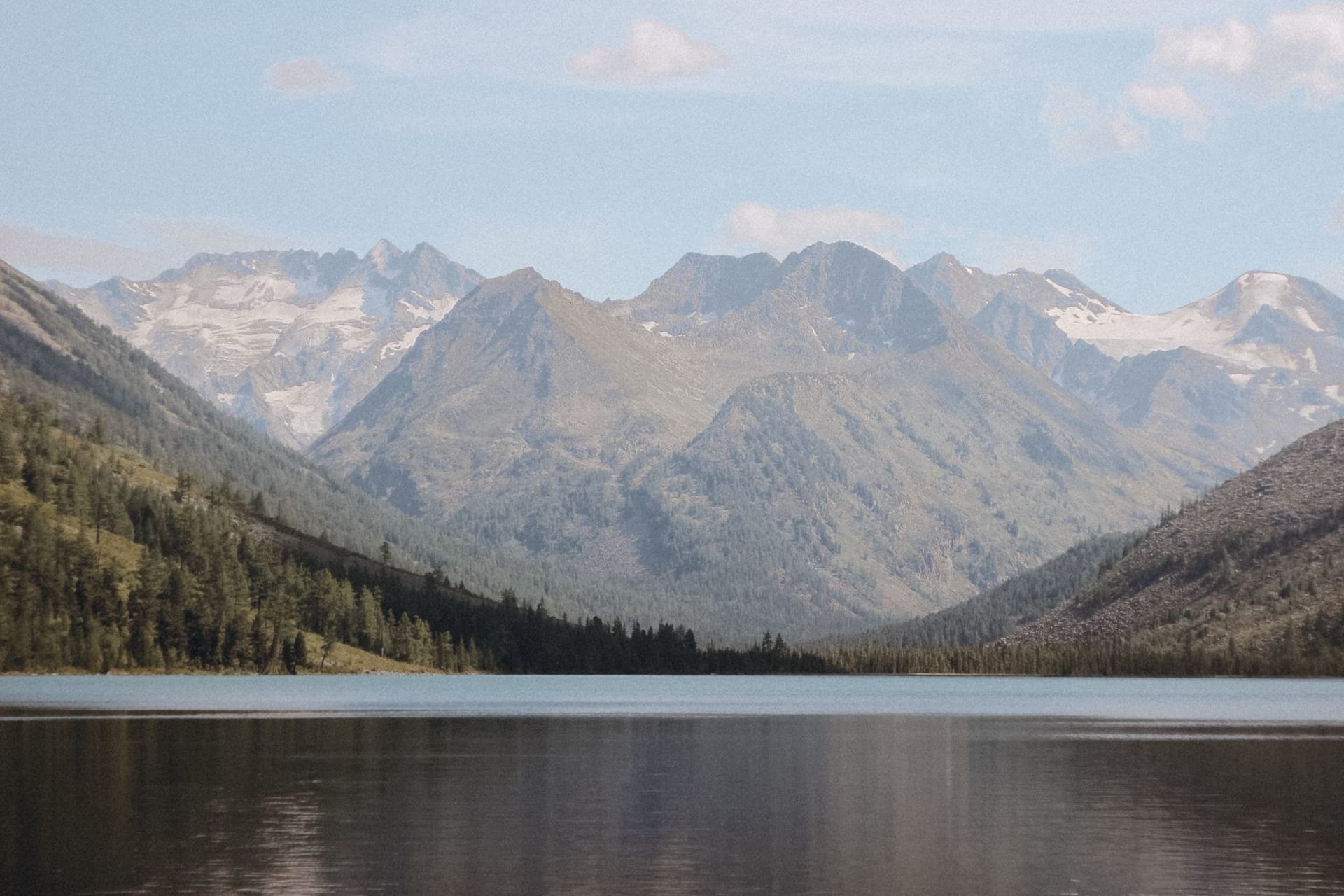
Lake Teletskoye
"The locals call it the Golden Lake, but the day I saw it the water was pure pewter."
A 78-kilometre slash of cold, dark water the Altaians call the Golden Lake, walled in by cedar forest and fed by waterfalls that arrive straight off the cliffs.

We reached Artybash, the village clinging to the lake’s northern tip, after a day on the Chuya Highway and a turnoff onto a road that gave up being a road somewhere in the last twenty kilometres. The first sight of Teletskoye stopped me anyway. It is long and narrow and improbably deep — over three hundred metres in places — and it sits in a trench between forested ridges that fall straight into it with no patience for a shoreline. The Altaians call it Altyn-Köl, the Golden Lake. The morning I first saw it, under low cloud, it was the colour of old pewter and twice as cold-looking.
Out on the Water
There is essentially one way to understand Teletskoye, and that is to get on a boat. The road only touches the northern few kilometres; the rest of the lake is reachable only by water, which is exactly why it still feels like something the modern world forgot to finish developing. We hired a battered launch with a skipper named Sergei who communicated mostly in cigarette gestures, and headed south down the length of it.

The cliffs slid past, cedar and larch packed so tight they looked like fur. Sergei cut the engine at the Korbu waterfall, where the cliff simply hands over a column of white water that drops twelve metres into the lake. Spray reached us thirty metres out. Lia, who had been quietly skeptical about the whole boat plan, went very still and then admitted it was worth the cold. There is also Estyube, a smaller fall up a side valley, and dozens more that have no names and no path to them, just a thread of water unspooling off a rock face into deep green nothing.
The North Shore and Its Stubborn Quiet
Back in Artybash the pace is glacial in the best sense. A few guesthouses, smoke off the banyas in the evening, the smell of woodsmoke and lake water. We ate fried hariusy — grayling pulled out of the lake that same day — with potatoes and dill and a great deal of black bread, at a table where the owner kept refilling a jar of homemade sea-buckthorn drink we never finished.

What struck me most was the silence. Teletskoye is part of the Golden Mountains of Altai UNESCO area and the whole eastern shore is reserve, off-limits and unbuilt, so at night the only sounds were the lake slapping at the pilings and a dog somewhere up the hill. I stood on the jetty after dark and could not see a single light on the far shore. In a world that has run out of empty places, that absence felt like a gift I had not earned.
When to go: June through early September is the practical window — the water is never warm, but the boats run and the trails are clear. September brings the larches turning gold and the first genuinely empty days, though you will want a serious jacket once the sun drops behind the ridge.
Keep exploring
More from Altai Mountains
 altai-mountains
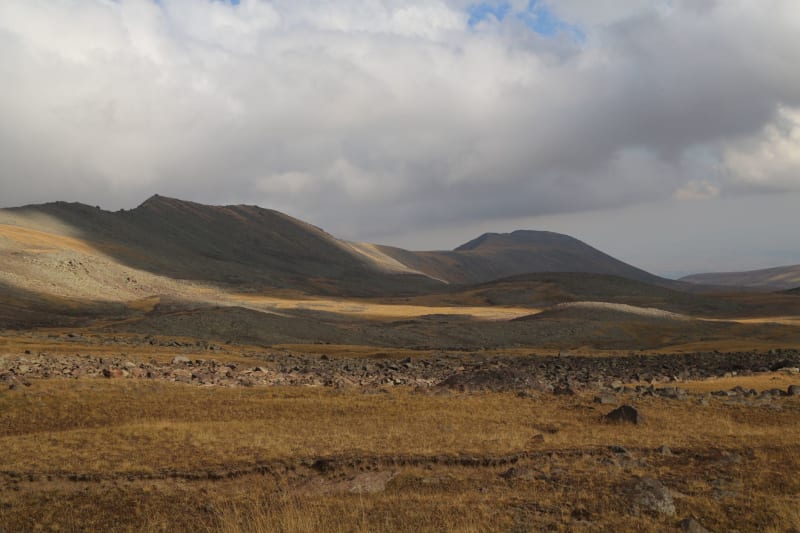
Ukok Plateau
A high-altitude steppe at 2,500 metres where three countries meet, the wind never stops, and the ground holds 2,500-year-old secrets.
Explore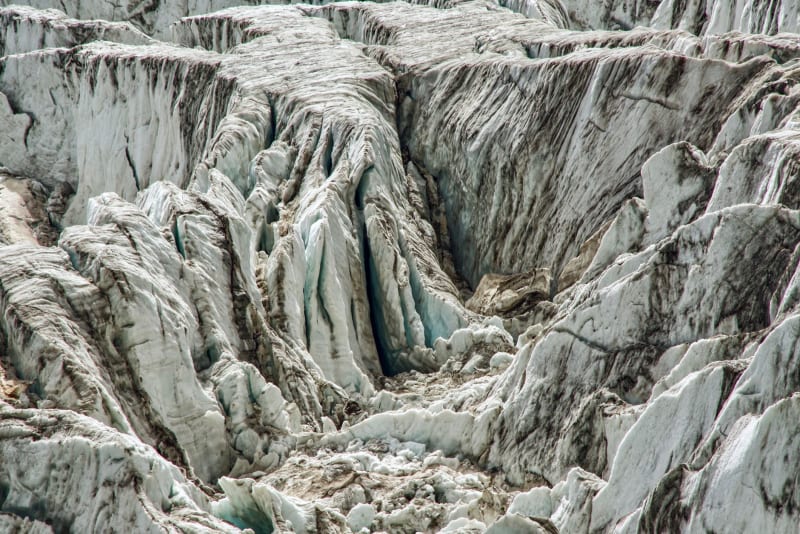 altai-mountains
Aktru Glacier
A glacial cirque in the North Chuysky Range where three rivers of ice converge and the air at 3,000 metres tastes of nothing at all.
Explore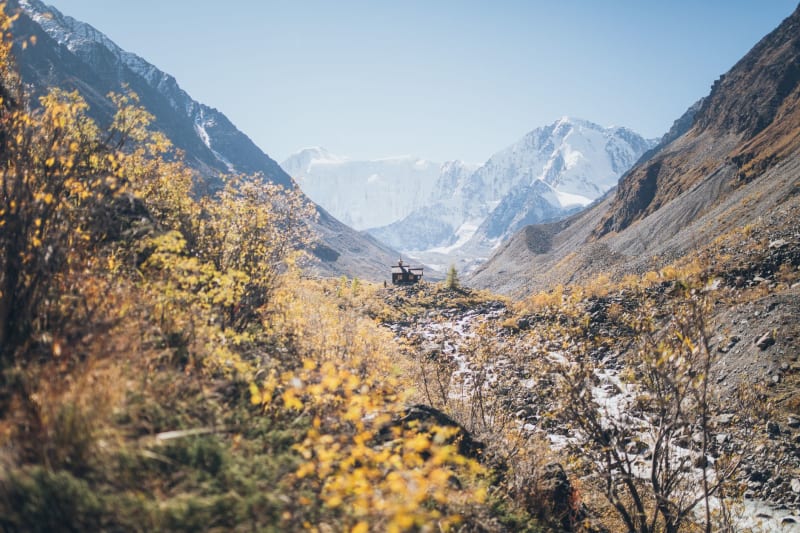 altai-mountains
Belukha Mountain
Siberia's highest peak at 4,506 metres — a snow pyramid that most people only ever glimpse through cloud, which makes each clear moment feel like a gift.
Explore altai-mountains
Chemal
A small village at a river confluence where a century-old monastery clings to a granite island and the Katun runs fast and very blue below it.
Explore altai-mountains
Chuya Highway
Six hundred kilometres of road that rewrites what you thought driving through mountains could look like — possibly the most dramatic drive in Asia.
Explore altai-mountains
Denisova Cave
A quiet cave above the Anuy River that rewrote human history, where three kinds of humans once shared the same fire.
Explore