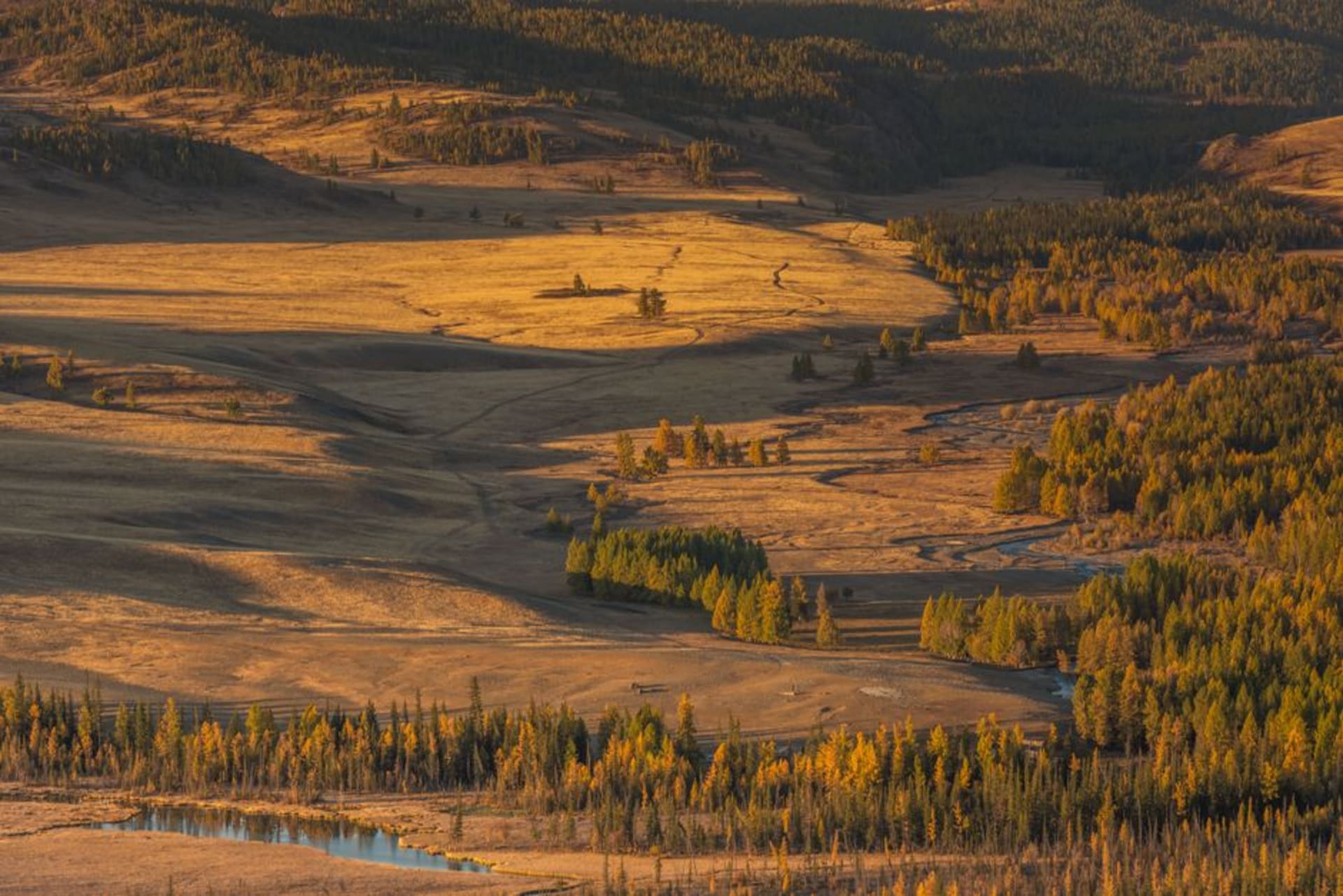
Kyzyl-Chin Valley
"We came for one Mars and stayed for two — Lia counted the colors on her fingers and ran out."
A striped, almost lunar valley of red, yellow and green mineral slopes hidden nine kilometers off the Chuysky Trakt near the Mongolian border.
Nobody warned us how strange the light gets out there. We’d been bouncing down the Chuysky Trakt for most of the day, Lia dozing against the window somewhere past Chagan-Uzun, when our driver just turned off the asphalt without a word and pointed the van down a dirt track into the Kosh-Agach district. Nine kilometers later the hills stopped being hills and started being something else entirely — bands of rust red, ochre yellow, sage green and burnt orange stacked on top of each other like someone had sliced the earth open and left the layers exposed. Everyone calls it Altai Mars, and for once a nickname undersold the thing it was describing.
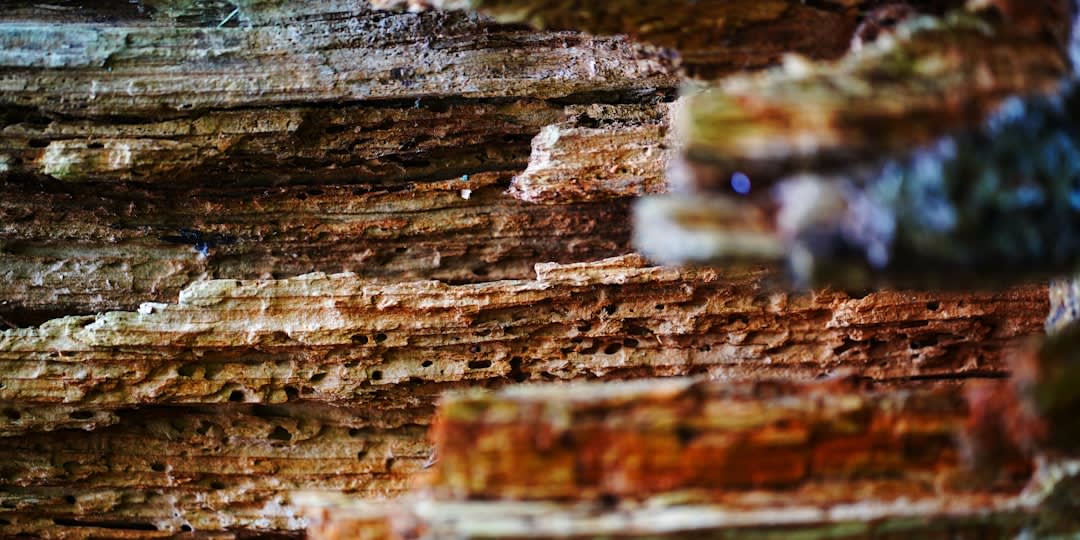
What gets me, even now, is that none of it is paint or trick photography — it’s just iron, manganese and chromium sitting in rock that started forming something like 300 million years ago, oxidizing slowly into every shade of red and green a person could name. There’s almost nothing growing on those slopes, which somehow makes the colors louder instead of quieter. We wandered the first viewing area — “first Mars,” as everyone who’s been calls it — for what felt like twenty minutes and turned out to be closer to two hours, because every angle gave the ridges a different mood depending on where the sun sat.
We’d read that a second, wilder viewing area lay about three kilometers upstream along the river, and against the advice of our aching feet we went for it. Second Mars felt more private, fewer footprints in the dust, the striping even more dramatic in places. Lia found a spot where green and red met in an almost clean diagonal line and just stood there for a while, not saying much. I remember eating flatbread and dried apricots we’d bought back in Kosh-Agach, sitting on a rock the color of a sunset, watching a couple of other travelers pick their way along the ridge in the distance like tiny figures on an alien map.
It’s only become a real stop on people’s itineraries since the 2010s, and you can feel that newness — there’s no gift shop, no fence, just the valley and whoever’s made the detour off the highway that day. Coming from the Chuya Steppe the way we did, it felt less like a tourist site and more like the landscape had been quietly waiting to be noticed.
When to go: We went in July, and I’d steer you toward July or August too — the dirt roads into Kosh-Agach dry out properly by then, and you don’t want to be negotiating that last stretch in mud.