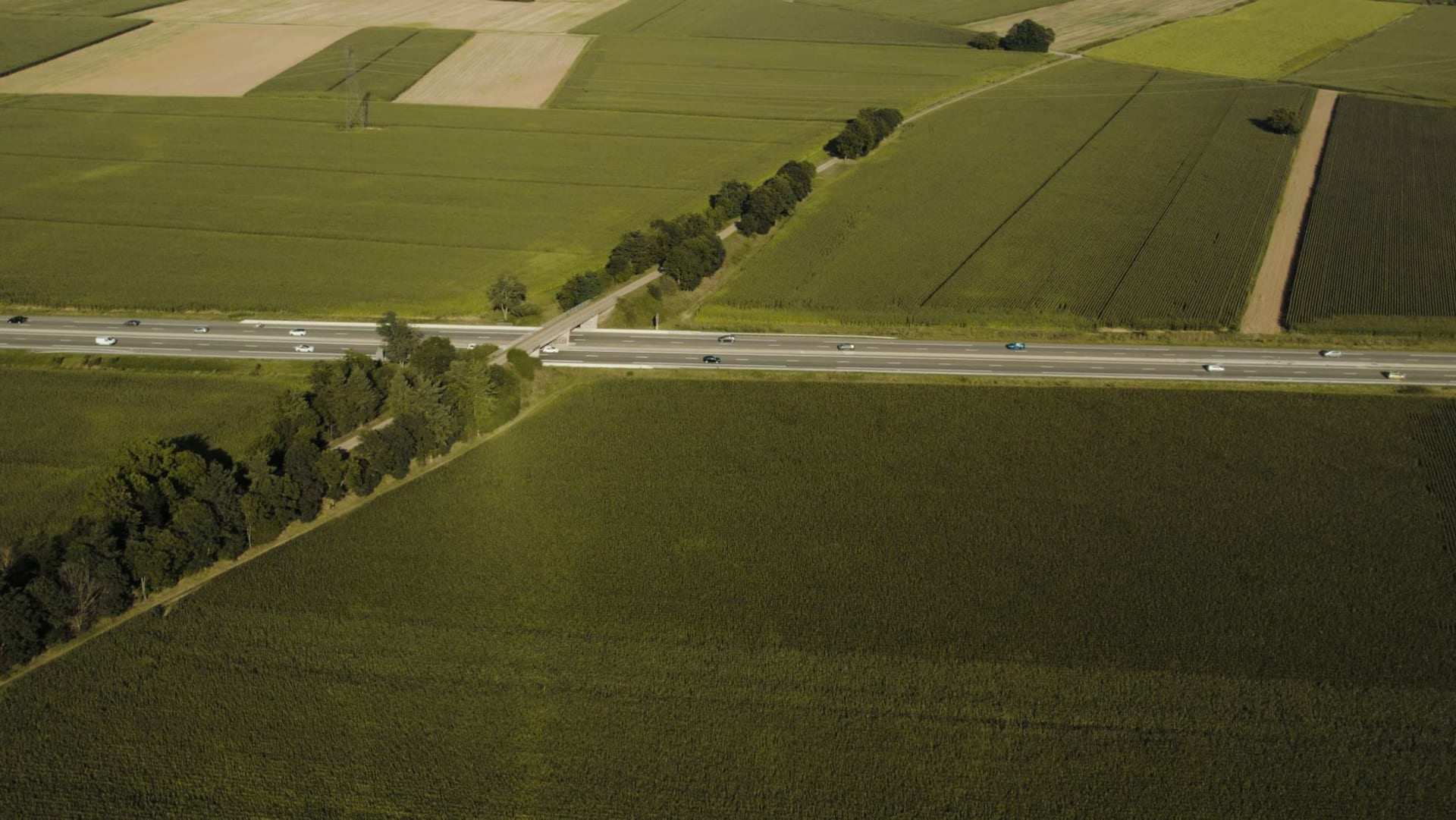
Sélestat
"Sélestat invented the Christmas tree tradition and discusses it with exactly the emphasis it deserves — which is briefly."
I went to Sélestat because a winemaker in Riquewihr told me I was missing the best medieval library in Alsace by staying on the Route des Vins. He said this in the tone of someone who has been saying it for years to people who never go, and I went, and he was right. The Bibliothèque Humaniste is housed in a fifteenth-century grain market and contains, among fifteen thousand volumes, a copy of the 1507 Waldseemüller Map — the first map to use the word “America” — and a 1521 household account by Beatus Rhenanus that happens to include the first written reference to a decorated Christmas tree. The librarians will show you both if you ask politely and don’t take too long about it.
The library is what Sélestat has that nowhere else in Alsace does, and walking through it produces a specific form of humility. Beatus Rhenanus was one of the great humanists of the sixteenth century, a friend of Erasmus and one of the most important scholars in northern Europe, and he was from here. The town was a major intellectual center in the late fifteenth century, home to a Latin school that attracted students from across the German lands, and the library collection represents what that culture left behind. It has the slightly overwhelming feeling of a place that doesn’t need to perform its importance because it genuinely has some.

Outside the library, Sélestat has two remarkable churches — the Romanesque Sainte-Foy and the Gothic Saint-Georges, dating to the twelfth and thirteenth centuries respectively — and a medieval center that is considerably less polished than Colmar or Riquewihr. This feels like a virtue. The streets around the market have the slightly rough authenticity of a town that exists for its residents rather than its visitors, and the Saturday produce market is one of the best in Alsace for the same reason: it serves people who live here.
The old town walls are partially intact, and the promenade along the surviving section passes gardens and the channel of the Ill river. I walked it on an October afternoon when the plane trees along the canal were dropping leaves into the water in a way that achieved a particular golden melancholy, and I found I couldn’t determine whether I was in France or in something more complicated than France — the street signs were French, the church was Romanesque in a specifically German style, and the smell from the bakery was unmistakably Kugelhopf.
This dual nature, so common throughout Alsace, is somehow most evident in Sélestat because the town is not particularly trying to make anything of it. It’s just there: a town that has been German and French and German and French, that produced humanist scholars and Christmas tree references, that has a great library in a grain market and two medieval churches and a Saturday market where people buy Munster without drama.

I ate lunch at a brasserie on the market square — brasserie in the original sense, serving its own beer alongside Alsatian standards — and had the choucroute garnie with a local bière blonde that arrived in a half-liter glass without ceremony. The choucroute was good. The beer was better than expected. The library was extraordinary. That is Sélestat’s hierarchy, and it doesn’t advertise itself.
When to go: Any time outside peak August. The Saturday market is year-round and excellent. The library is open Tuesday through Sunday. In December, Sélestat hosts a Christmas tree festival that celebrates its historic connection to the tradition without entirely losing its sense of proportion — which is more than most places manage.