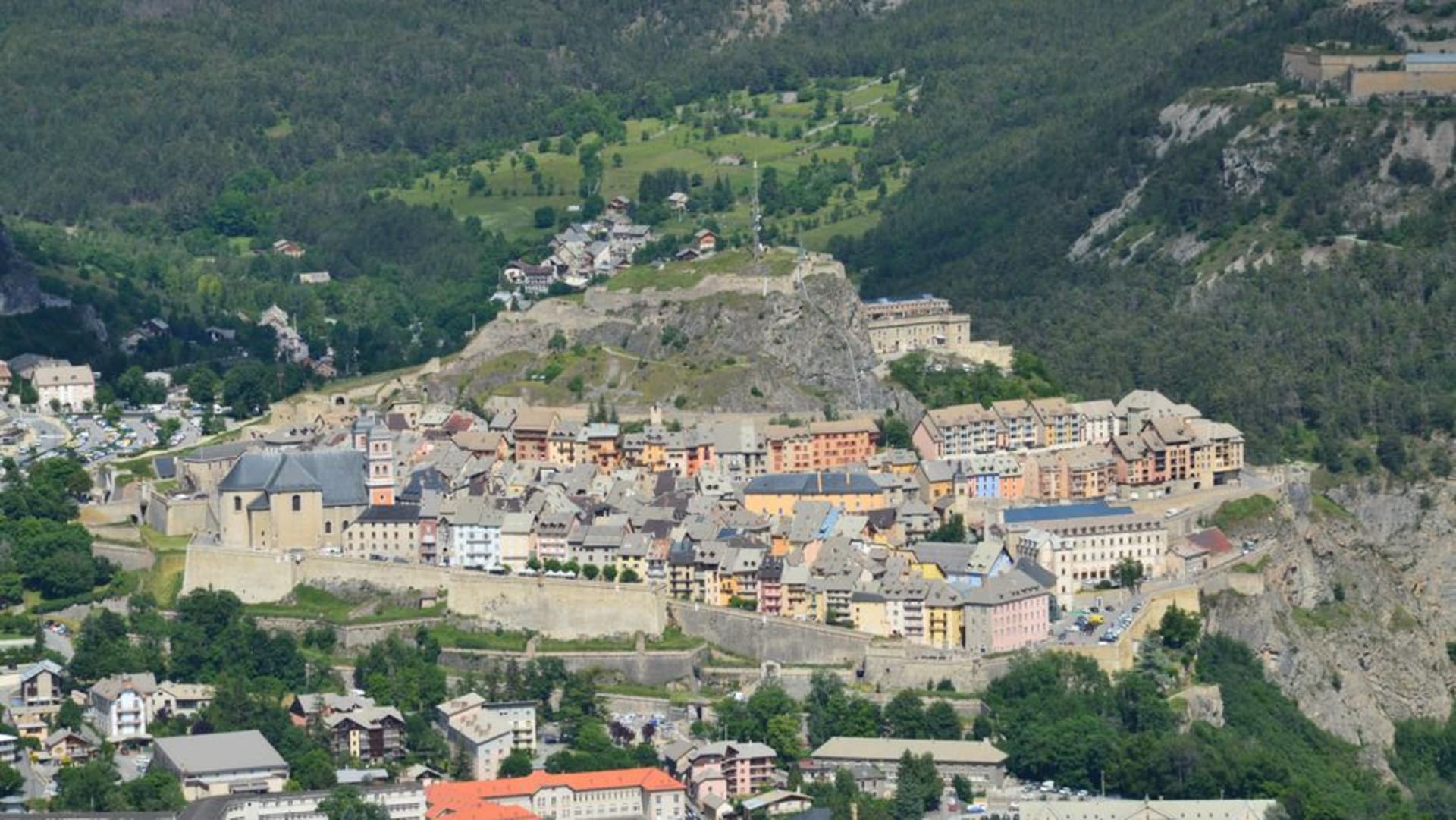
Neuf-Brisach
"I've never walked in a straight line for so long and ended up exactly where I started."
A perfect octagon of stone and grass on the Rhine plain, Vauban's last fortress town still guards its empty streets.
We almost skipped Neuf-Brisach. Lia and I had spent the morning in Colmar dodging tour groups around the half-timbered houses, and by the time we saw the name on the map — twenty minutes east, practically on the German border — I figured it was just another pretty village. It isn’t. It’s a fortress, built as one single idea in 1698 by Vauban after France lost Breisach across the river, and the moment you cross the moat you can feel that it was designed, not grown. Everything sits inside a perfect octagon, streets in a grid, the church square dead center, like someone drew the whole town with a compass before laying a single stone.
We parked outside the walls and walked in through the Porte de Belfort, and that’s when it clicked why this place is on UNESCO’s list alongside Vauban’s other fortifications. The ramparts aren’t a ruin you admire from a distance — you climb up and walk the top of them, past bastion after bastion, the double line of defenses still almost entirely intact more than three centuries later. Lia kept stopping to point out how each angle was engineered so there was no blind spot for an approaching enemy, no wasted stone. It’s cold, practical genius dressed up as architecture.
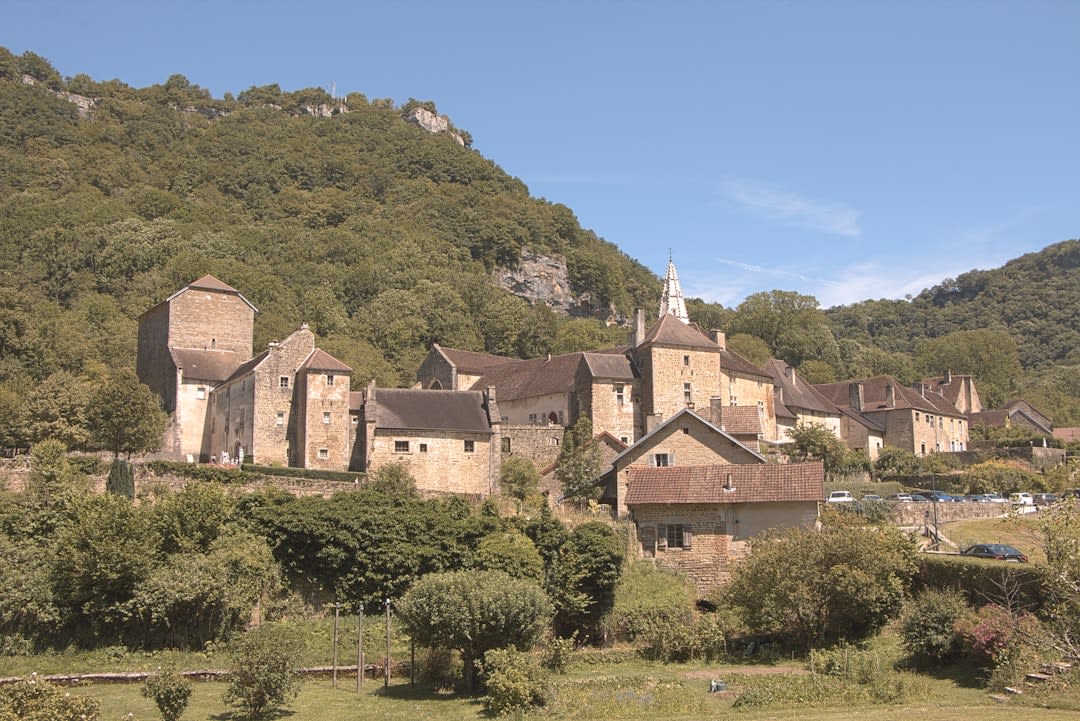
Inside, the town itself feels almost sleepy compared to the ambition of its walls — a handful of cafés around the central Place d’Armes, kids on bikes, a bakery where I bought a kougelhopf that we ate sitting on a bench facing the old arsenal. It’s strange to eat pastry in the literal geometric center of a military masterpiece, but that contrast is exactly what stayed with me. Vauban built this as his final and most complete fortification, a rare town that was never anything but a fortress from day one, and yet three hundred years later it’s just people living quiet lives inside a giant, beautiful diagram.
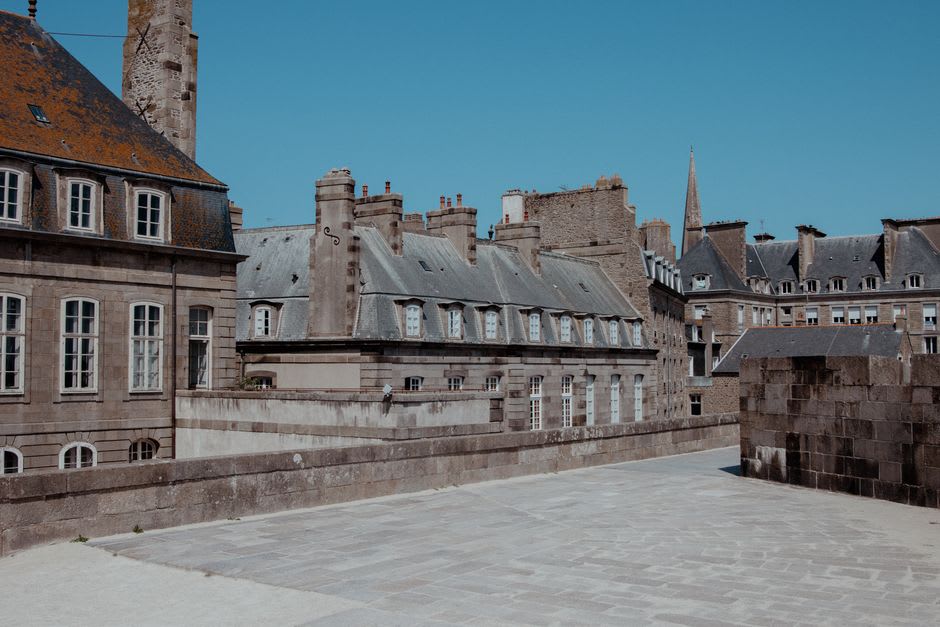
We circled almost the entire perimeter on foot before the light started going gold over the bastions, and I remember thinking this was one of those places where the walk itself is the whole point — no single monument to check off, just the slow realization of how the whole town fits together as you move around it.
When to go: We came in early autumn and had the ramparts almost to ourselves under mild, walkable weather — late spring works just as well, before the summer heat settles over the plain.