Béjaïa
"Béjaïa looks at the sea like the sea owes it something, and from up on the cape, you start to think the sea agrees."
The taxi driver from the airport spoke to me in Tamazight first, then French, testing which one would land. When I answered in French his expression settled into something that wasn’t quite disappointment but was adjacent to it — the faint sense that the language revealed me as someone from outside a particular conversation. Béjaïa, in Kabylie, is Berber in a way that has always been political: the region’s language and culture were officially suppressed for decades after Algerian independence, and the memory of that suppression runs close to the surface. The city speaks to you in layers, and Tamazight — the indigenous Berber language — is the first one.
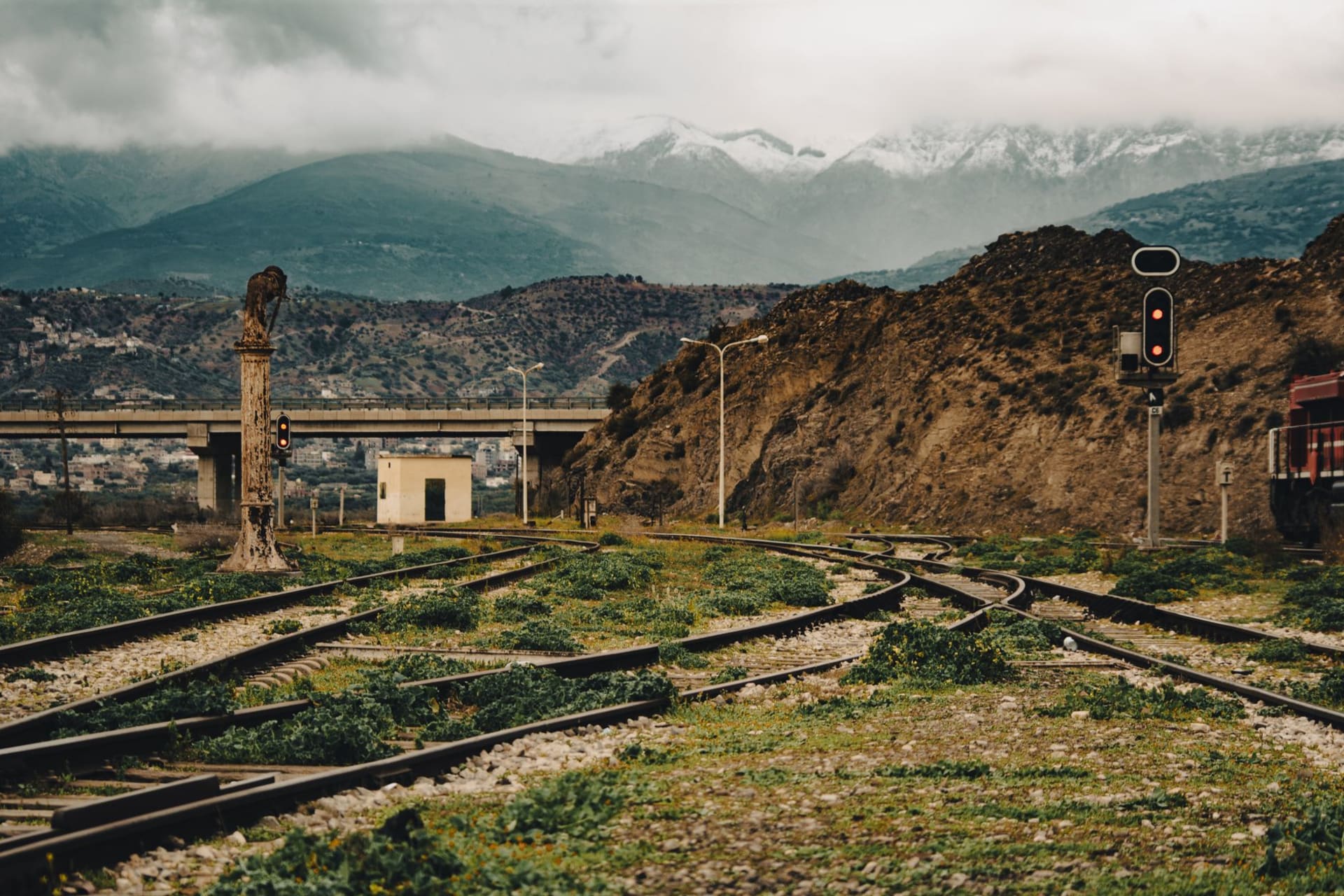
The old quarter climbs a cape above the harbor — the same cape the Romans called Saldae, the same one the Hammadid Berber dynasty fortified in the 11th century, the same one the Spanish held briefly before the Ottomans, before the French. Each occupation left stone and then departed. The fort walls from the Ottoman period are still intact at the top of the hill, and from them you get the view that all those different empires presumably stood in front of: a deep natural harbor, a coastline of forested headlands running east and west, the Kabyle mountains rising immediately behind the town to peaks that hold snow in winter and that give the city an unusual quality of containment — it’s a port city that doesn’t feel open, that feels instead like it has its back against something solid.

I found the fish market on my first morning, down near the port, before eight. The trawlers had come in during the night and the unloading was finishing when I arrived — polystyrene boxes of sea bream, sole, mullet, and occasional oddities I couldn’t identify, sold fast and loud by men in rubber boots who had clearly been awake since two in the morning and were running entirely on espresso and momentum. I bought a paper bag of fried fish from a stand at the market edge — small whole fish, battered light, with a hot sauce applied with a paintbrush — and ate them standing at the harbor wall watching the last boats come in. It was one of those meals that has nothing remarkable about it except being exactly right in its moment.
The beaches east of Béjaïa, running toward the Corniche Kabyle, are genuinely exceptional — clear water, small coves framed by red limestone cliffs, pine trees coming down to the shore in places close enough to smell. In summer they fill with Algerians from the interior escaping the heat; in September and October you can have a cove nearly to yourself. The road that follows the coast is one of the most scenic stretches of driving I’ve done anywhere in the Mediterranean basin, winding and occasionally terrifying on the tight corners.

When to go: Late June through early September for the beaches, though July and August can be intense. September is the sweet spot — still warm enough for swimming, the summer crowds have thinned, and the late afternoon light on the water turns copper-clear in a way that photographs barely do justice to. Spring walks in the Kabyle mountains behind the city deserve a separate trip.