Africa
Algeria
"A country that makes you earn every single moment of it."
I landed in Algiers on a Tuesday afternoon and the first thing I noticed was how few foreigners were at the airport. Not in the way of a quiet regional hub — in the way of a country that has spent decades quietly discouraging visitors from arriving at all. The visa process alone had taken five weeks, two embassies, and a patience reserve I didn’t know I had. When I finally stepped out into the bleached light of the capital, I felt something I hadn’t felt in a long time: the specific electricity of being somewhere genuinely off the map.
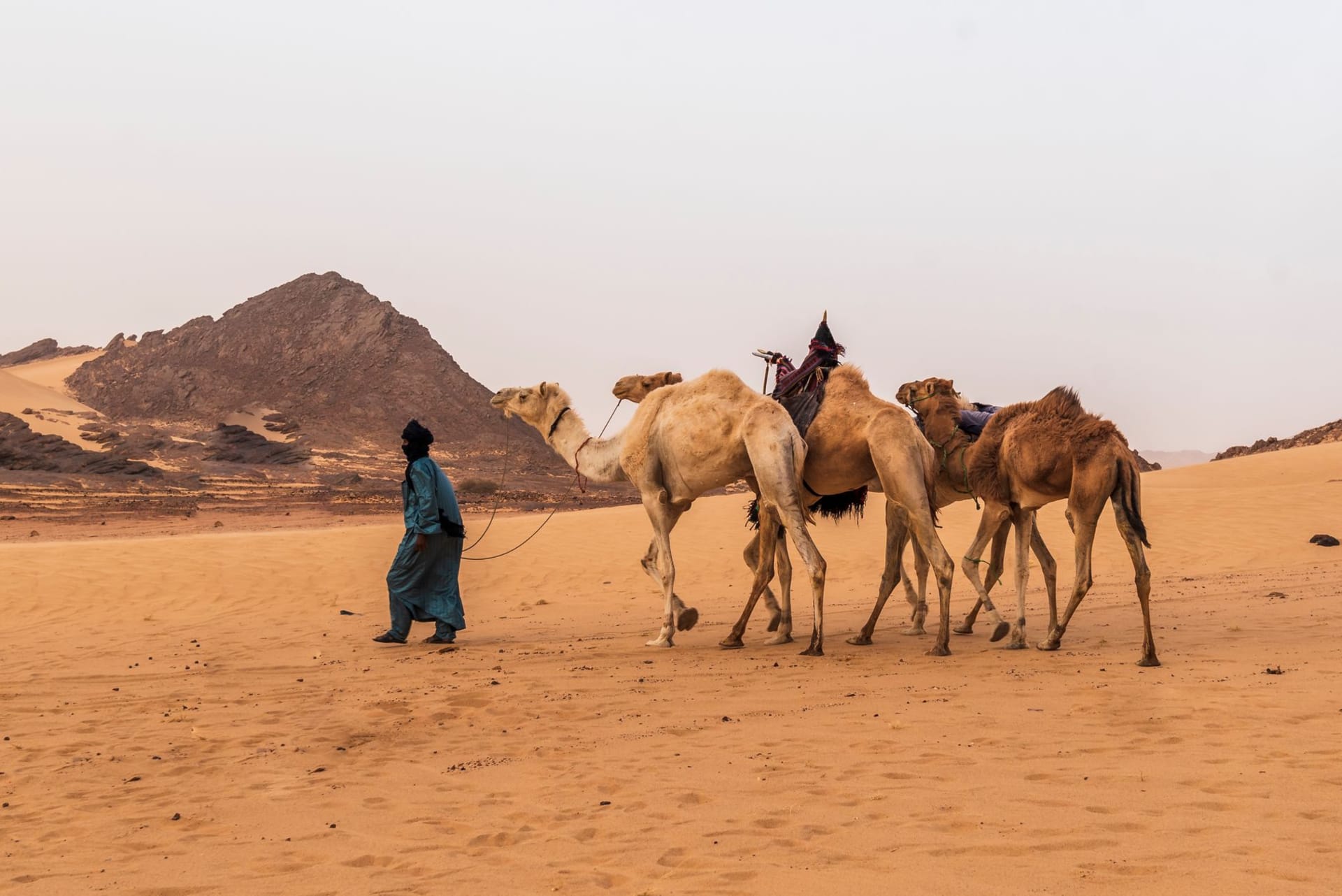
Algeria runs on contradictions. The north is Mediterranean — whitewashed kasbah alleys tumbling down to a turquoise sea, Ottoman archways, espresso taken standing at zinc counters — and it feels nothing like what you were promised when you heard the word “Algeria.” Then you drive south past Ghardaïa with its beehive minarets and five-century-old market logic, and further still until the land drains of everything except heat and silence and an abstract grandeur that no photograph has ever actually captured. The Tassili n’Ajjer plateau stopped me cold: prehistoric rock paintings five thousand years old, sheltered in stone corridors where the air barely moves. Someone crouched here, mixed ochre with animal fat, and pressed a hand against the rock. That’s what Algeria offers at its best — contact with time so deep it makes you feel small in the exact right way.
The food never made it into travel media. I don’t understand why. Chakhchoukha — torn flatbread slow-cooked with lamb and chickpea stew — eaten off a communal plate in Biskra, three generations of a family sharing it with me because I’d asked about the dish at the market stall. Merguez grilled over live coals at midnight in Oran, where the city runs on its own schedule and nobody rushes anything. Sfenj, the North African doughnut, pulled hot from oil at seven in the morning and eaten with mint tea poured from absurd height. This is a cuisine built for feeding people, not photographing them.
When to go: October through March for the north and the Sahara both. Summers in the south are genuinely dangerous — 50°C in Tamanrasset is not a figure of speech. The Saharan light in November is extraordinary, long and amber-gold by mid-afternoon.
What most guides get wrong: They frame Algeria as “the next Morocco” — an undiscovered twin waiting to be turned into an itinerary. It isn’t. The bureaucracy is real, the tourist infrastructure is thin, and the country has no particular interest in packaging itself for outside consumption. That’s precisely what makes it worth going. You travel Algeria on its own terms, or you don’t travel it at all. I found that deeply refreshing.