A Mediterranean port city where Saint Augustine once preached, its Roman ruins and hilltop basilica overlooking the sea near the Tunisian border.
Lia and I had been planning the Algeria leg of our trip for months, but Annaba is the stop that stayed with me longest. We arrived by bus from the west, tired and sun-dazed, and the first thing that struck me wasn’t the port cranes or the traffic — it was how casually the city carries something as immense as Hippo Regius. You just walk past a fruit stand and there, below street level, are Roman baths that Saint Augustine himself would have known. He was bishop here from 396 until his death in 430, during the Vandal siege, and standing at the edge of the excavated forum I found myself doing that thing I always do in places like this: trying to picture the ordinary Tuesday of a fourth-century city instead of just the ruins.
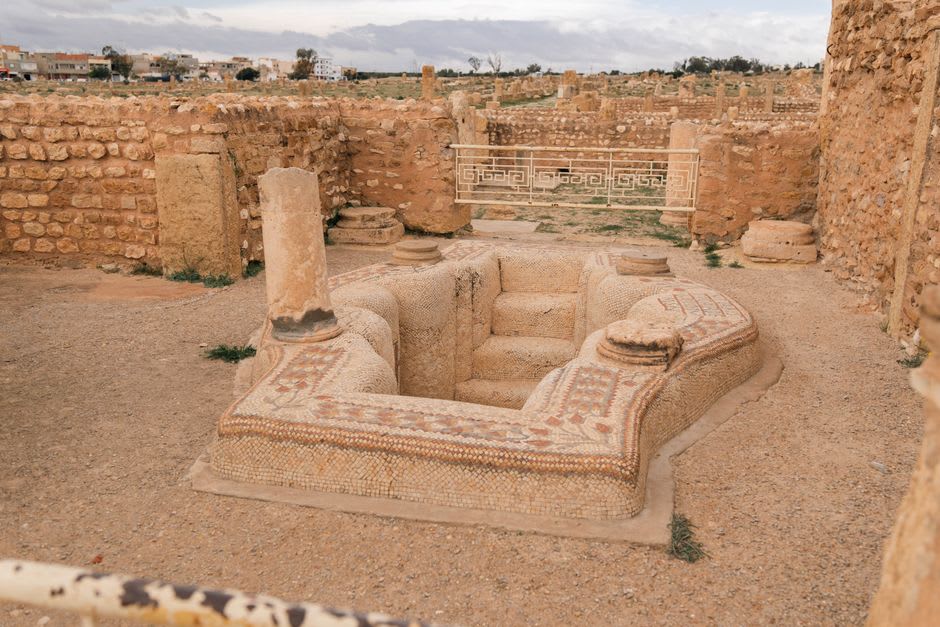
We spent a slow morning at the site museum, where mosaics pulled from the ground since the French excavations of the 19th century are laid out with a kind of quiet pride. Lia lingered over a geometric floor panel for a good twenty minutes while I wandered off to read every placard twice, the way I do. What got me wasn’t the scale of the place — it’s not vast like some Roman sites we’ve seen elsewhere — but the intimacy of it, basilica foundations and bathhouse walls sitting so close together you can trace how people actually moved through their days.
In the afternoon we climbed the hill to the Basilique Saint-Augustin, built in the early 1900s, and I’ll admit I wasn’t prepared for how the light hits it. Inside, behind glass, is a relic said to be a forearm bone of Augustine, brought over from Pavia in Italy — a strange, almost vertiginous detail to take in after a morning spent walking through the ruins where he actually lived and worked. We sat on the steps outside for a while, the port and its iron-ore ships visible below, and ate flatbread we’d bought that morning near the Casbah while gulls worked the wind over the harbor.
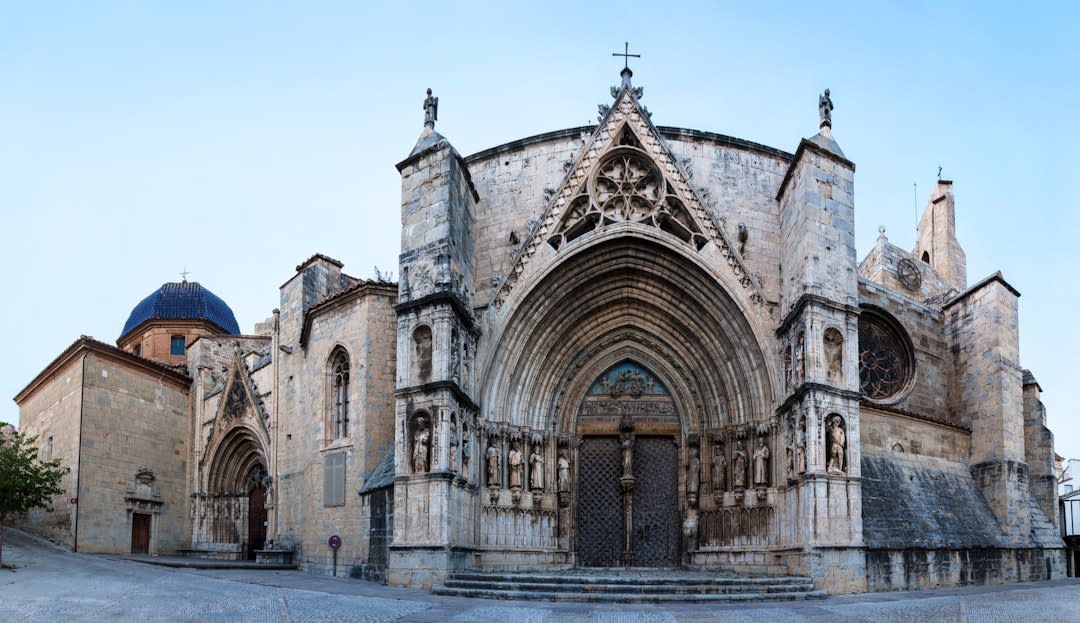
What I keep coming back to about Annaba is how the modern port city and the ancient one refuse to separate cleanly — you’re never quite sure which century you’re standing in, and I mean that as a compliment.
When to go: We went in October and the Mediterranean heat had already softened into something manageable, with none of the crowds you’d find in summer — April works just as well if you’d rather see the ruins in spring light.
Keep exploring
More from Algeria
 algeria
 Béjaïa
A Kabyle port city where Berber mountains drop straight to the Mediterranean, fiercely proud and stubbornly beautiful.
Explore algeria
 Biskra
The last oasis city before the open Sahara, where 300,000 date palms cast shade over the threshold between the Mediterranean world and the desert.
Explore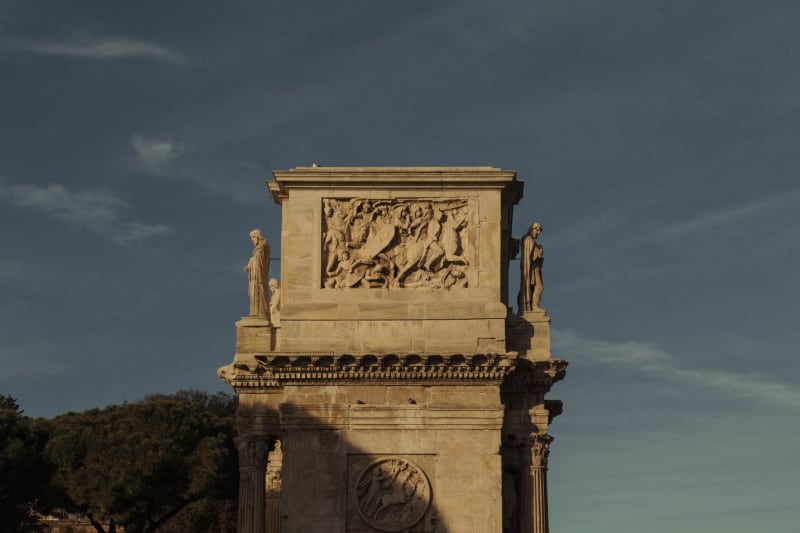 algeria
 Constantine
A city built on a sheer rock above a 200-metre gorge, connected to itself by bridges that look like they were designed as a dare.
Explore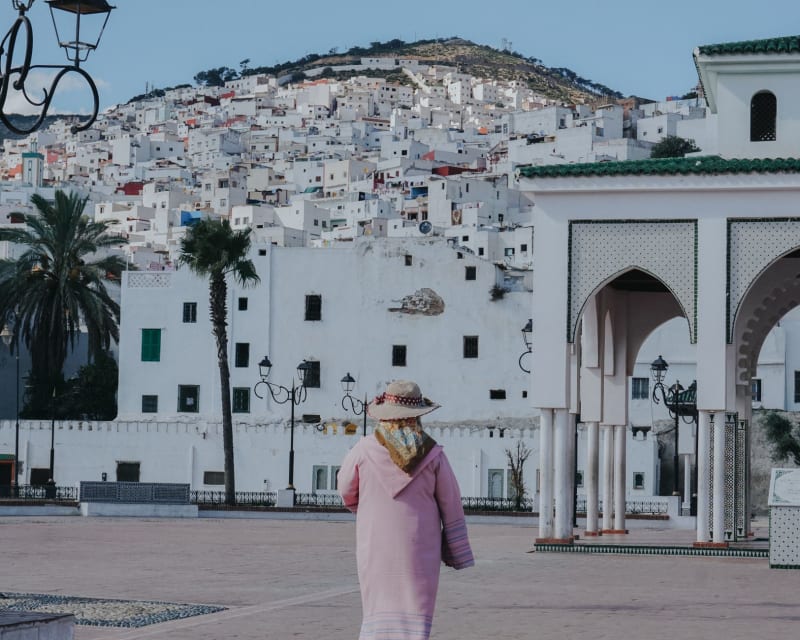 algeria
 Djémila
A Roman city whose Berber name means 'beautiful' — and after twenty centuries abandoned to the mountain wind, it still earns the word.
Explore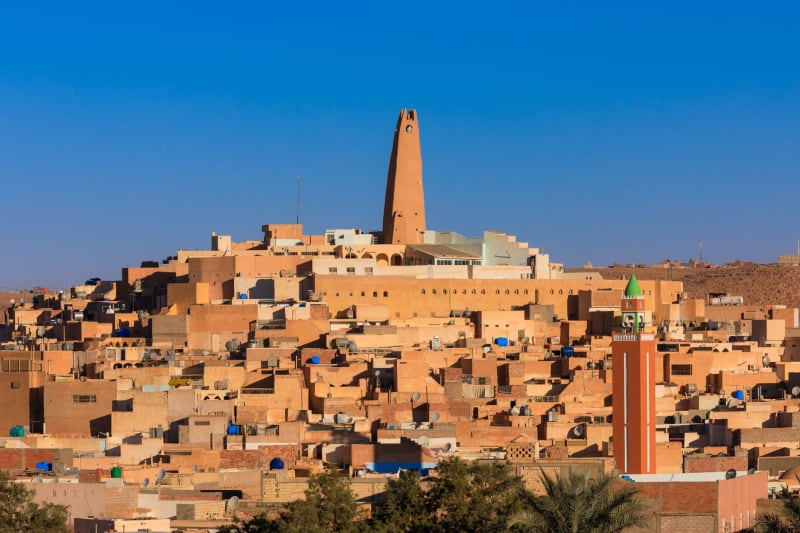 algeria
 Ghardaïa
Five medieval Mozabite towns rising from the M'zab Valley floor, their beehive minarets and market logic unchanged for five centuries.
Explore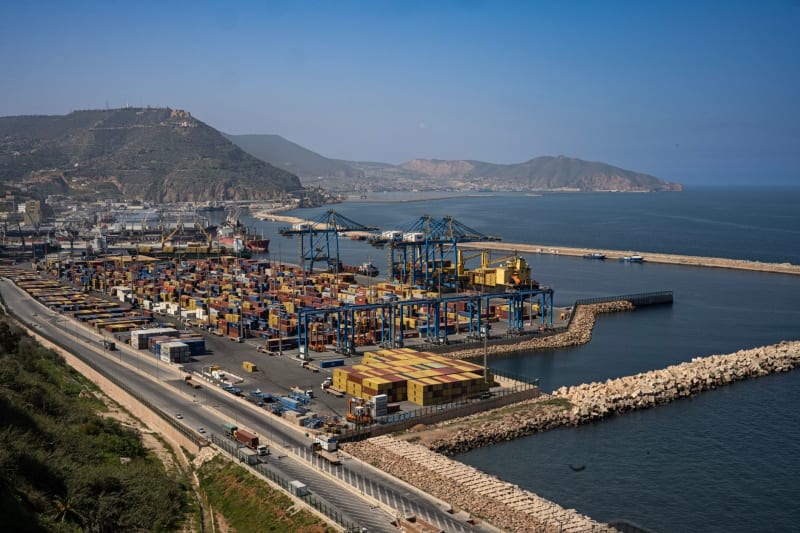 algeria
 Oran
Algeria's second city pulses with raï music, Spanish-Ottoman architecture, and the unapologetic confidence of a port town that owes nothing to Algiers.
Explore