
Tavira
"Tavira moves at the speed of the Gilão river — which is to say, barely, and beautifully."
Most people drive through the eastern Algarve to reach Spain and keep moving. I made that mistake once and have since spent a week trying to compensate for it. Tavira sits twenty-five kilometers from the Spanish border and has the unhurried quality of a town that knows the tourists mostly bypass it — there’s a confidence to its age. The Roman bridge at the center of town, low and wide over the Gilão river, was rebuilt in the seventeenth century but follows the original line that Roman engineers laid down two thousand years ago. I stood on it in the late afternoon watching egrets in the reeds and a man fishing from a small boat, and the light was doing something soft and amber to the water that made everything look like a detail from a Flemish painting.
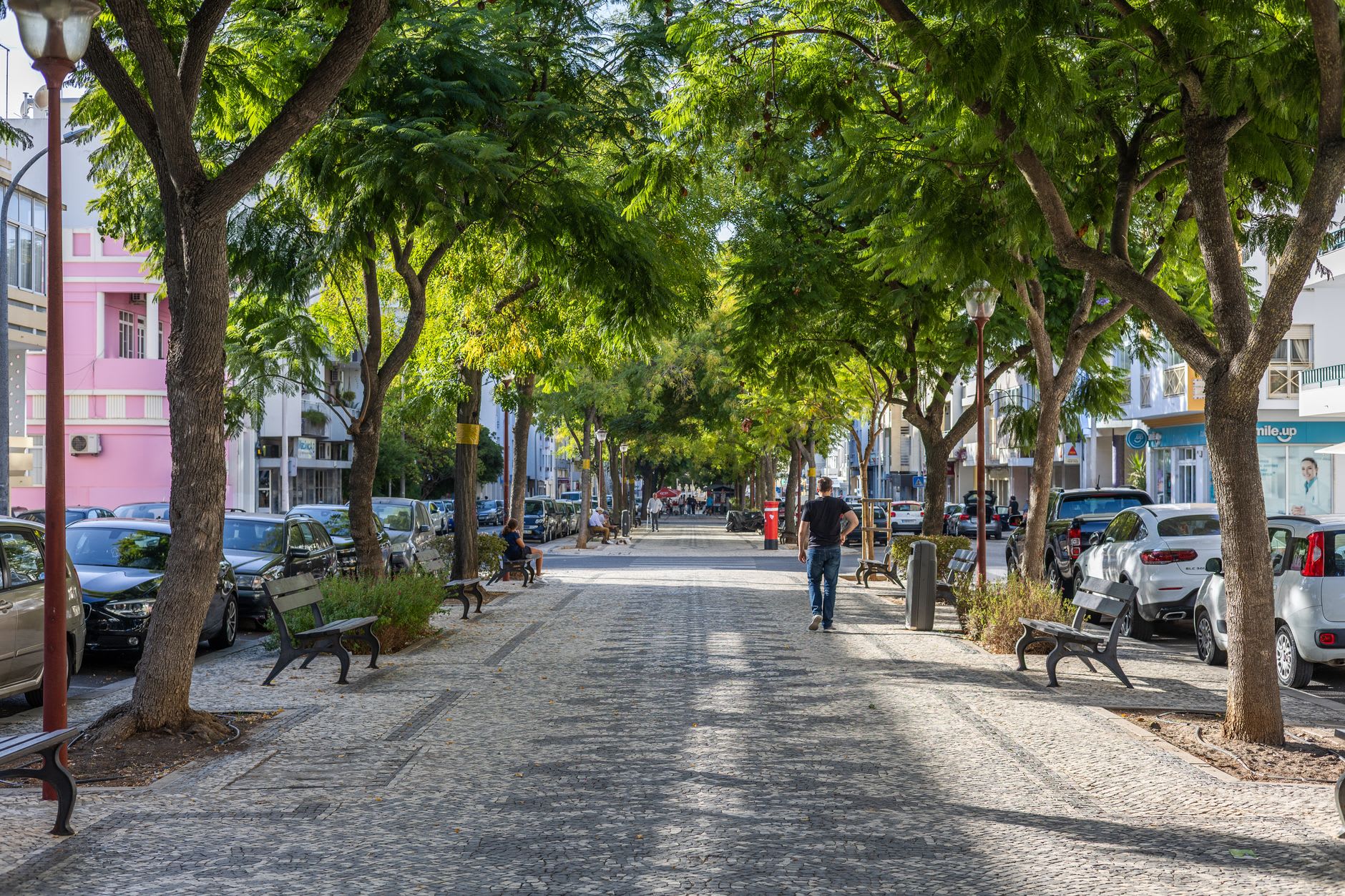
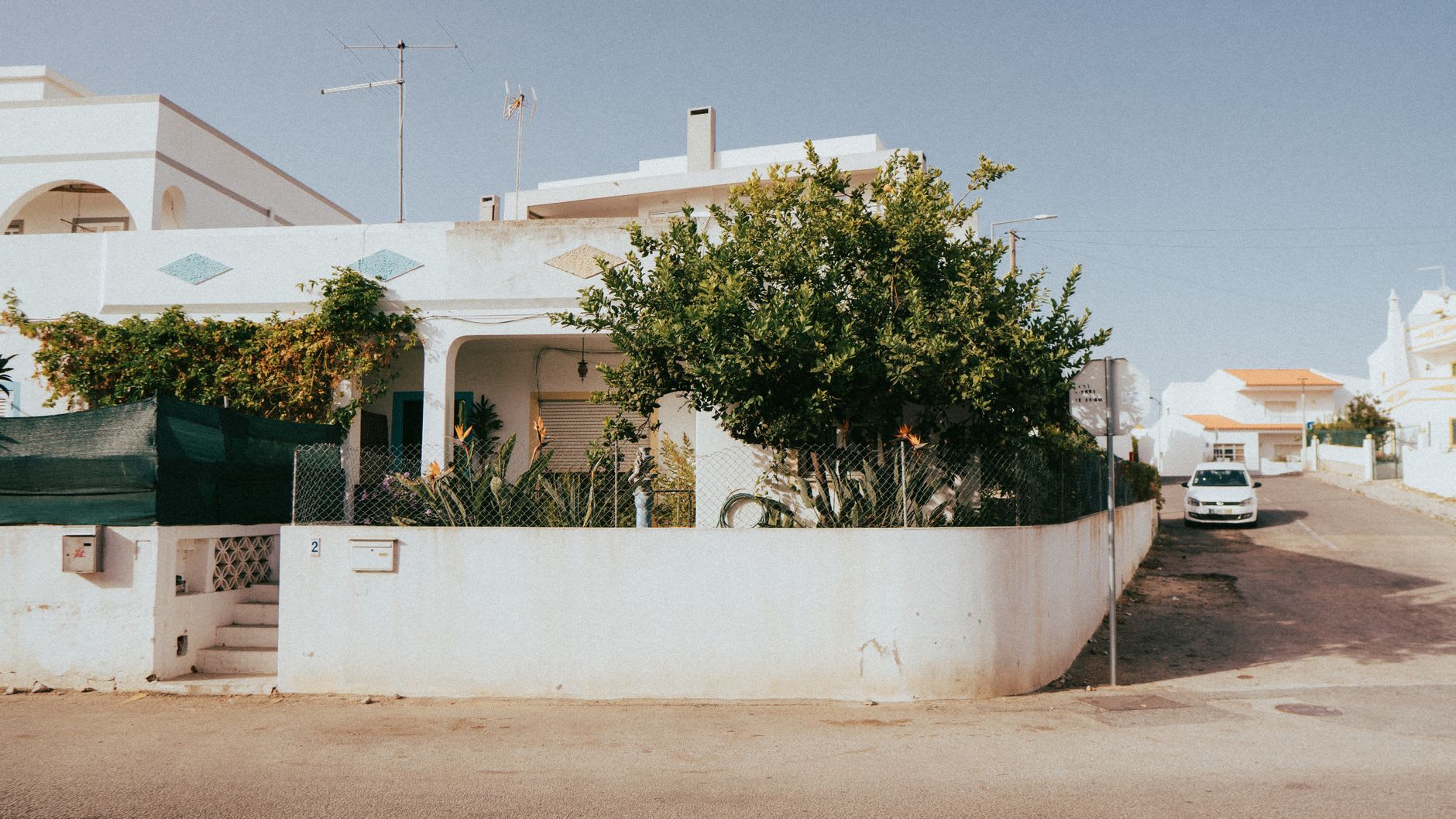
What distinguishes Tavira architecturally is the roof. The houses in most of the Algarve have flat terraced roofs — Arab influence, efficient in the heat. But in Tavira, for reasons that architectural historians debate, the houses kept their four-pitched scissor roofs long after the rest of the region adapted. Walking the streets of the old quarter — the Rua da Liberdade, the lanes around the castle hill — you’re surrounded by a silhouette that belongs more to Lisbon or Porto than to the coast. The castle itself is a Moorish ruin, largely unrestored, and you can walk through the garden inside the walls where the old cisterns still stand and orange trees drop fruit onto the gravel paths. Thirty-seven churches are supposed to exist in Tavira, which seems implausible until you start counting on a morning walk and reach fifteen before lunch.
The other reason to come to Tavira is what’s just offshore: Ilha de Tavira, a barrier island a short ferry crossing from the Quatro Águas landing, with a long beach that faces open Atlantic on one side and the calm shallow waters of the Ria Formosa lagoon on the other. The lagoon side is warm and flat — children’s swimming pool depth, turtle-clear water — and on weekdays in spring or fall the island feels empty in a way the mainland Algarve beaches never quite manage. Tavira town in the evenings moves to the restaurants along the river, which serve the local bacalhau com todos — cod with chickpeas and boiled vegetables — with a simplicity that feels deliberate. I ate it three times in four days and didn’t get tired of it.
When to go: April and May for the most graceful version of the town — warm, quiet, the lagoon full of birds. September is also excellent. July and August see the island beach get busy, but the town itself stays manageable compared to the western Algarve. Tavira is good in winter too, better than most coast towns, because the town life continues regardless of the season.