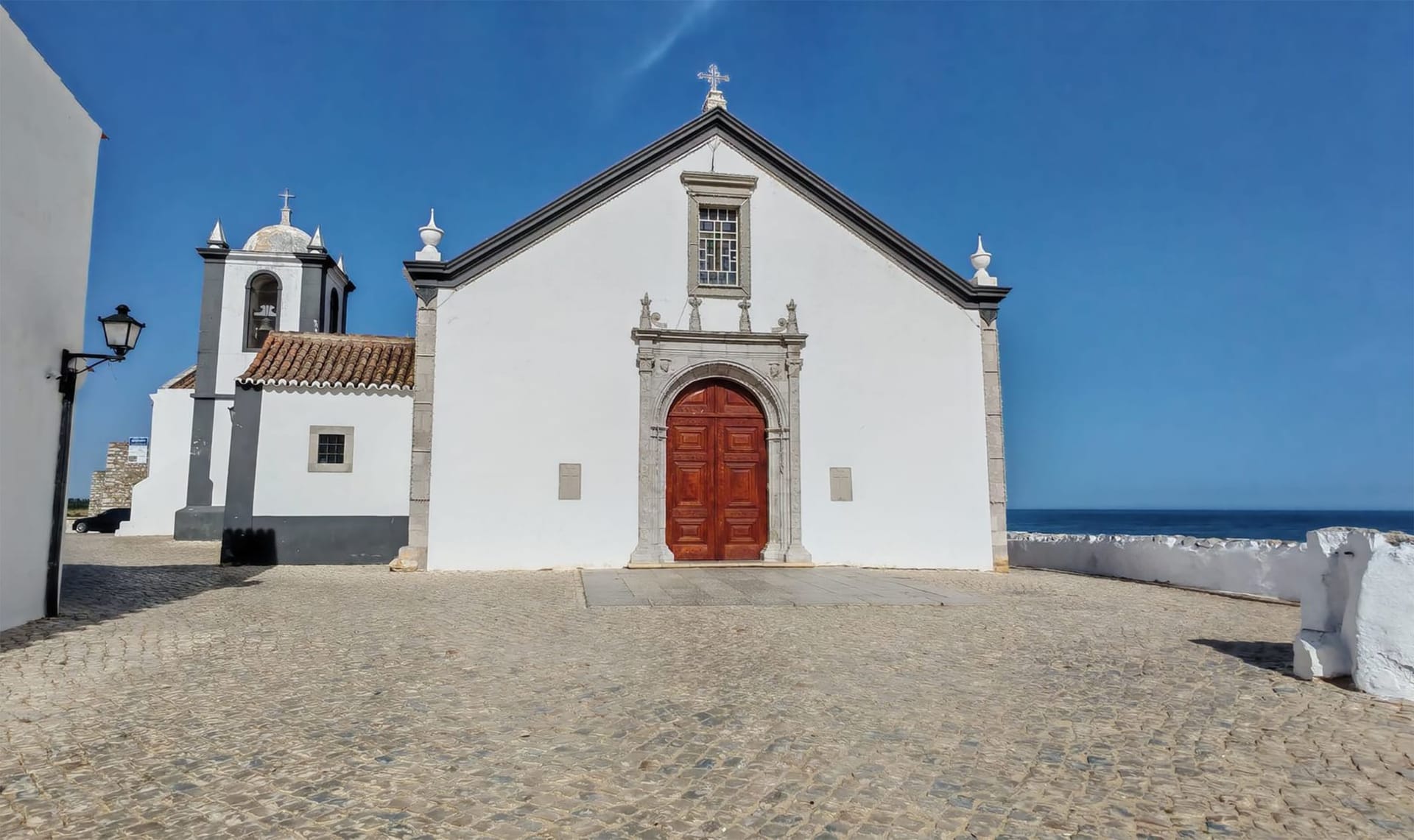
Cacela Velha
"Cacela Velha is so small and so perfect that you feel guilty being there — like you've found someone else's private place."
I almost didn’t stop. The sign for Cacela Velha comes up suddenly on the EN125 east of Tavira, easy to miss, pointing down a small road that doesn’t look like it goes anywhere particular. I pulled over on impulse and followed the lane for a kilometer and a half through orange groves until it ended at a small parking area at the edge of what turned out to be one of the most completely beautiful small places in Portugal. The hamlet sits on a low bluff above the Ria Formosa lagoon — a whitewashed church, a ruined Moorish fort, a handful of houses, a single restaurant — and the view from the edge of the bluff across the lagoon to the barrier islands and the Atlantic beyond is the kind of view that makes you put your phone in your pocket and just stand there.
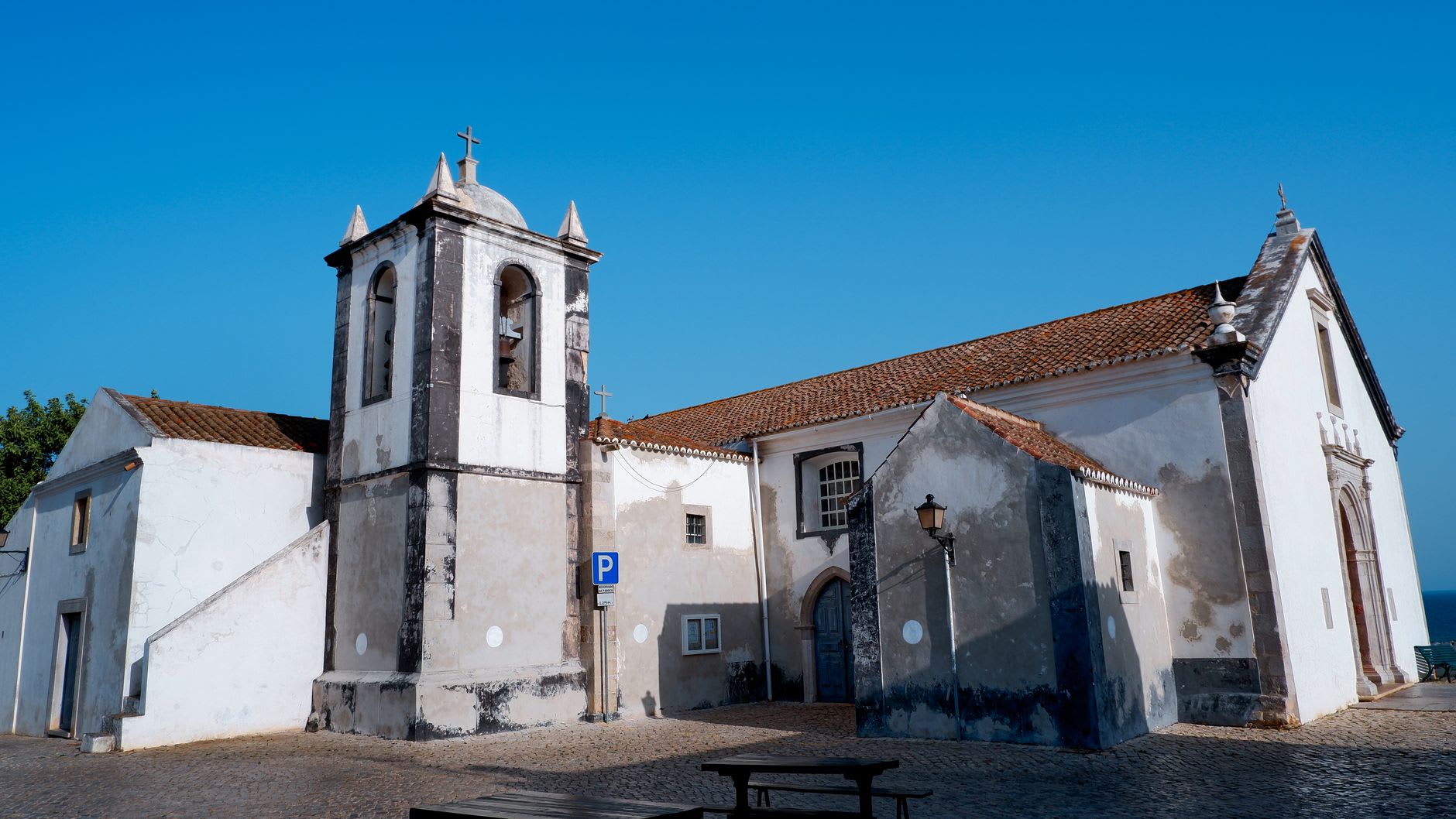
The settlement has been here in some form since the Phoenicians, which the Romans confirmed, which the Moors expanded, and which the Portuguese reconquered and left largely alone afterward. The fort walls are now low and crumbling in a picturesque way, and the church — Igreja de Nossa Senhora da Assunção — is open and simple inside, its whitewashed walls unadorned except for a blue-and-white azulejo panel above the altar. The restaurant — there really is only one — does a cataplana that I’m still thinking about: clams and shrimp in a copper pot with white wine and coriander, the lid opened at the table in a cloud of steam. The owner’s mother was sitting in a chair near the kitchen door peeling potatoes while I ate. She nodded at me once and then returned to the potatoes.
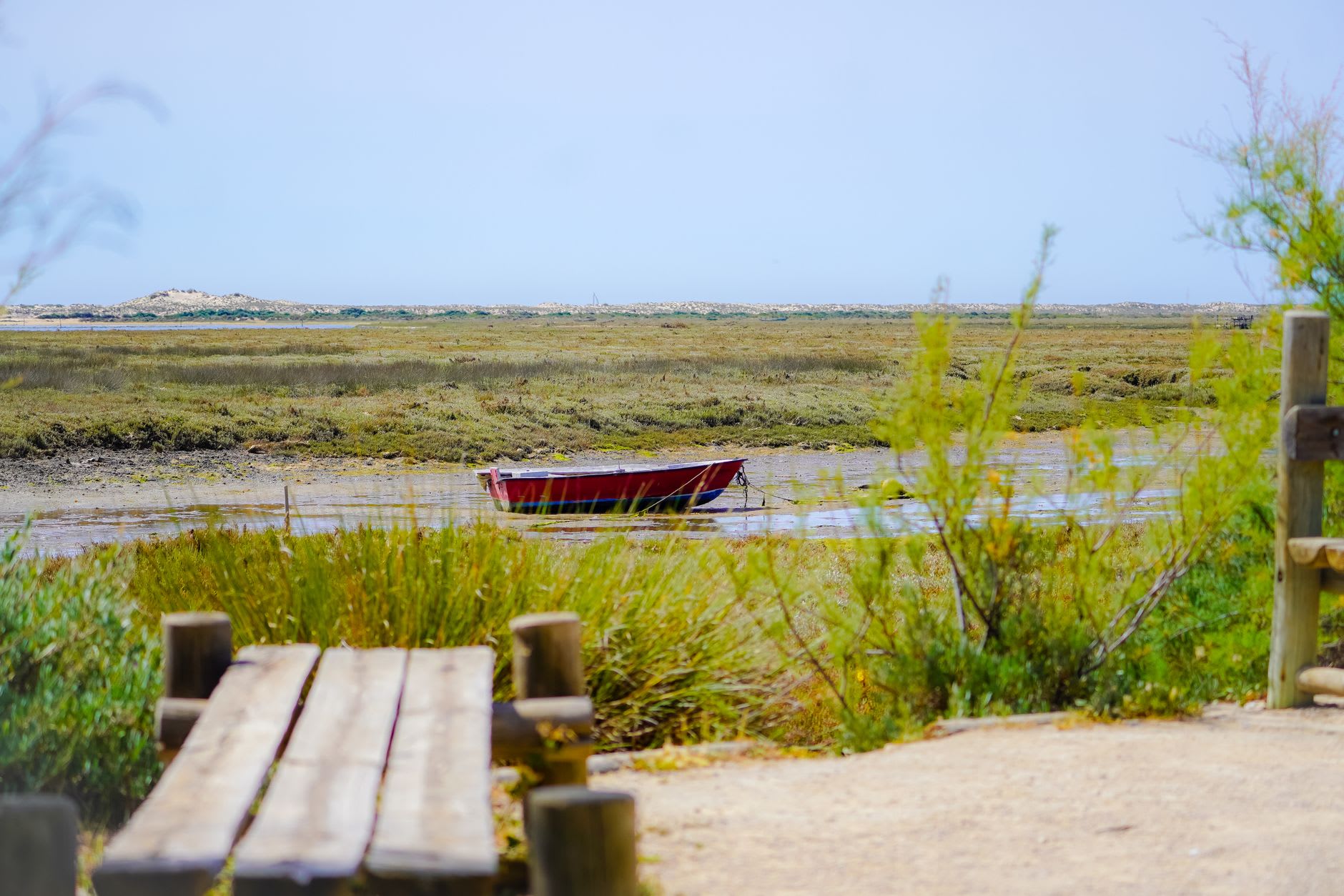
From the bluff you can walk down a sandy path to the water’s edge, where small boats ferry people across to the barrier beach — Praia de Cacela — a narrow strip of sand with almost no development and water so calm on the lagoon side that it barely registers as the sea. The beach stretches for kilometers in both directions, and on a weekday in September I walked for thirty minutes along the lagoon shore without passing another person. The water was warm and very clear, and there were egrets in the seagrass beds just offshore. I swam in water that was as still as a lake and tasted of salt and sunshine. Coming back across on the little boat, with the hamlet on its bluff above and the late light hitting the church tower, I thought: this is why you make wrong turns.
When to go: Year-round, but September to November and April to June are ideal — the lagoon is at its best outside the summer peak, and the hamlet never gets genuinely crowded even in August. The cataplana at the restaurant is worth a special trip from wherever you’re staying along the coast.