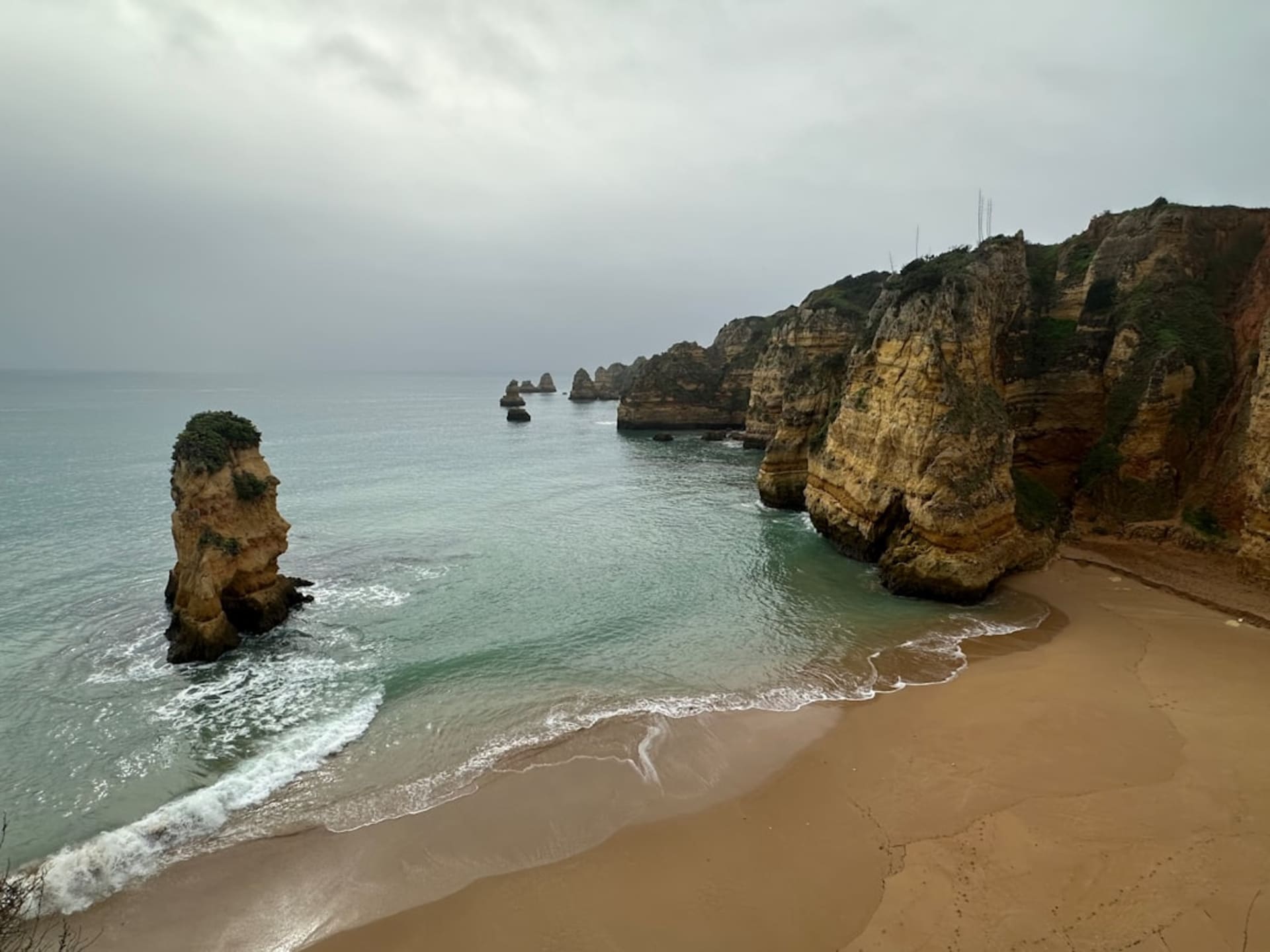
Benagil Cave
"We paddled into a hole in the cliff and found the sky waiting for us inside."
A domed sea cave with a hole in its roof that drops a column of sunlight onto the sand, reachable only by kayak or boat.
Lia spotted the photo first, on someone’s phone in a café in Lagoa — a perfect circle of blue sky cut into a dome of rock, sunlight falling straight down onto pale sand like something staged. I remember thinking it had to be a trick of editing. It wasn’t. Two mornings later we were sitting low in a rented kayak off Praia de Benagil, paddling toward a dark slit in the limestone cliffs, and I still didn’t quite believe what we were about to see.
You can’t walk in. That’s the first thing that struck me — no path, no steps, nothing carved by hands. The cave only opens to the sea, and we ducked the kayak through a narrow mouth of rock into a chamber that felt like stepping into a held breath. The domed ceiling arches maybe twenty meters up, and directly above the sand floor there’s that same oculus from the photo, a ragged skylight the sea and wind spent who knows how many centuries drilling through the stone.
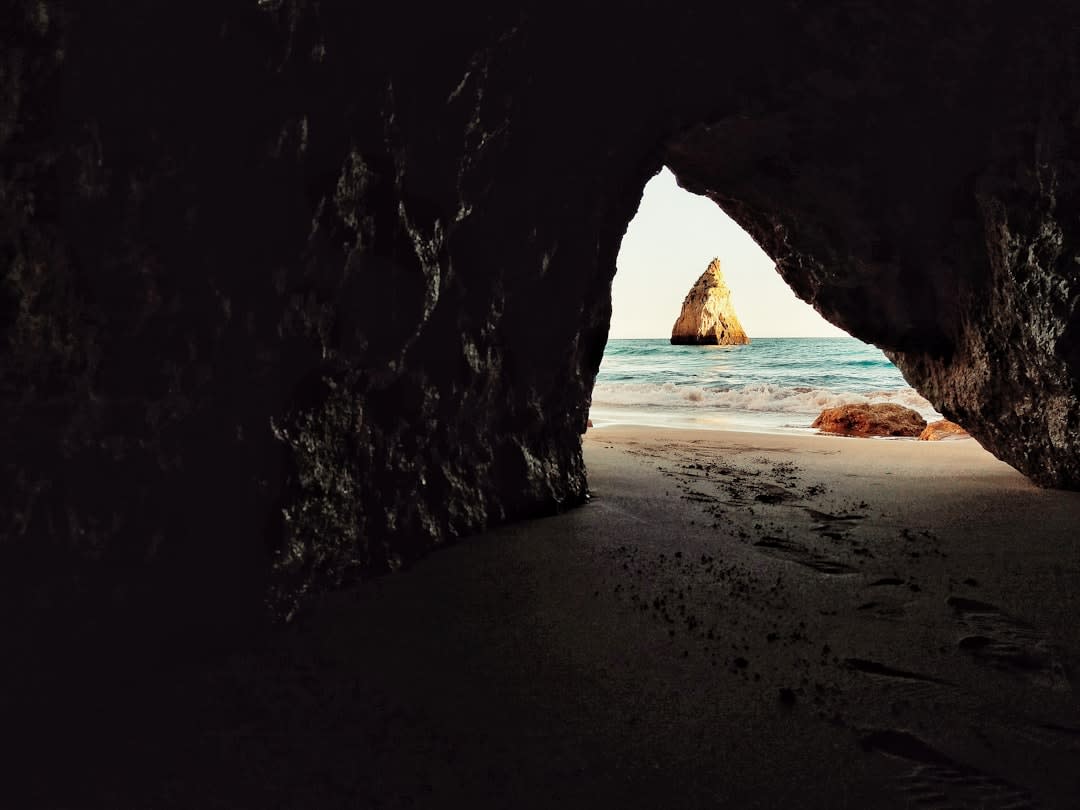
We beached the kayak on the little interior shore and just sat there for a while, necks craned back, watching the light shift as clouds passed over the hole. Lia said it felt like being inside a cathedral someone forgot to finish. I kept thinking about the whole central Algarve coast being riddled with formations like this — Ponta da Piedade isn’t far — but none of the others I’d seen had that skylight doing exactly this trick with the sun.
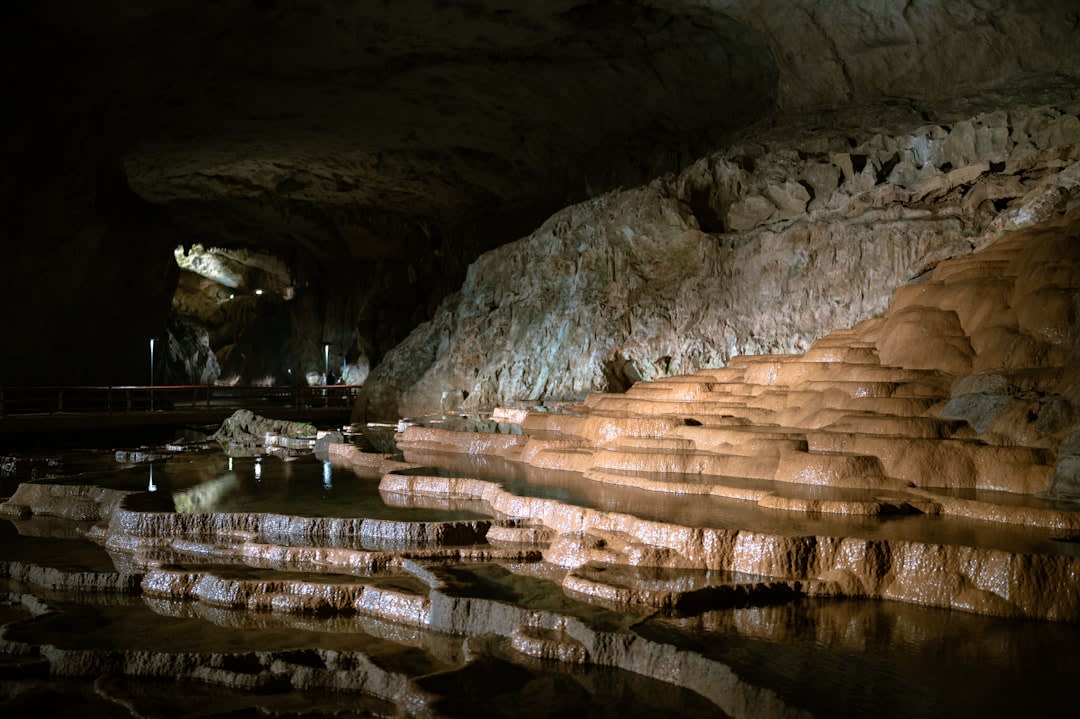
By the time we paddled back out, two boat tours had pulled up outside, engines idling, waiting their turn at the mouth of the cave. I was glad we’d gone in ahead of them — apparently swimming inside gets closed off entirely when the sea turns rough, and land access has been prohibited for years now because the cliffs keep crumbling under the weight of everyone who wants a look. It’s a strange, humbling thing, a landmark that famous and that fragile at once.
When to go: We went early in the morning in late spring, and I’d do it again the same way — the sea was calm enough to paddle without stress, and we had the light almost to ourselves before the boat tours arrived; September should offer the same quiet, warmer water without the peak crowds.