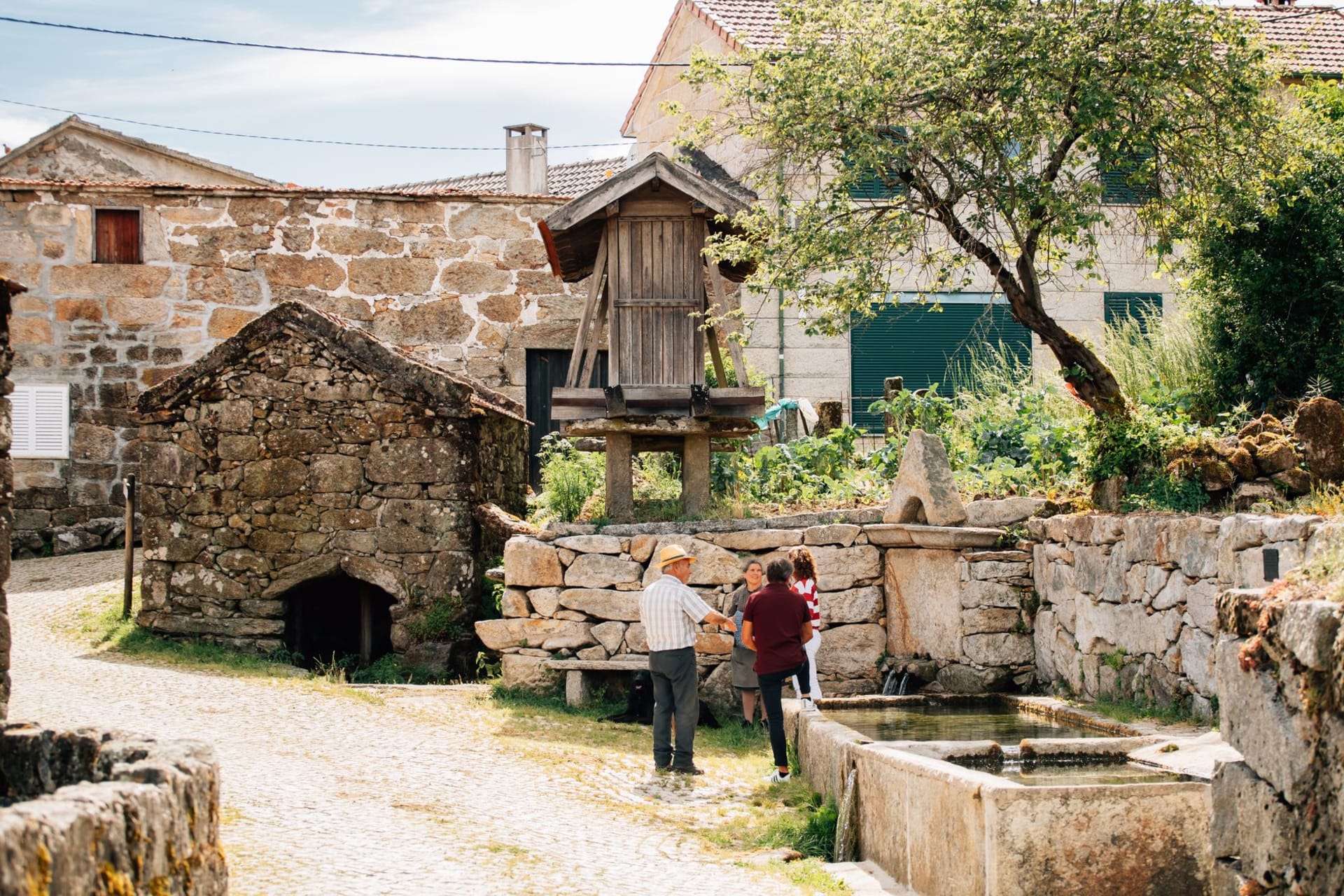
Vila Viçosa
"Vila Viçosa has the specific melancholy of a place that was once the center of everything and knows it."
There is a particular quality to towns that were once grand and are no longer — a kind of dignity in the residue of importance, the way the broad avenues remain broad even when nobody needs them to be. Vila Viçosa has this quality in abundance. The main approach to the Ducal Palace is a wide boulevard flanked by marble horse troughs and orange trees heavy with fruit, leading to a facade that stretches for about a hundred meters of pale marble without a single note of drama. The Braganza dukes built this place. Their descendants would go on to rule Portugal and Brazil. What remains is their furniture, their portraits, and the extraordinary hush of rooms that have been awaiting someone who is not coming back.
I visited the palace on a Tuesday morning when I was the only person on the tour. The guide was a woman in her sixties who had worked there for thirty years and who spoke about the last king of Portugal, Carlos I, with a familiarity that suggested she had personally known him. The rooms are left roughly as they were when Dom Carlos departed for Lisbon in February 1908 — he would be assassinated there two days later — and the combination of frozen time and actual royal detritus (hunting trophies, gilded state carriages, a bathroom with period plumbing) creates something stranger and more affecting than any conventional museum.
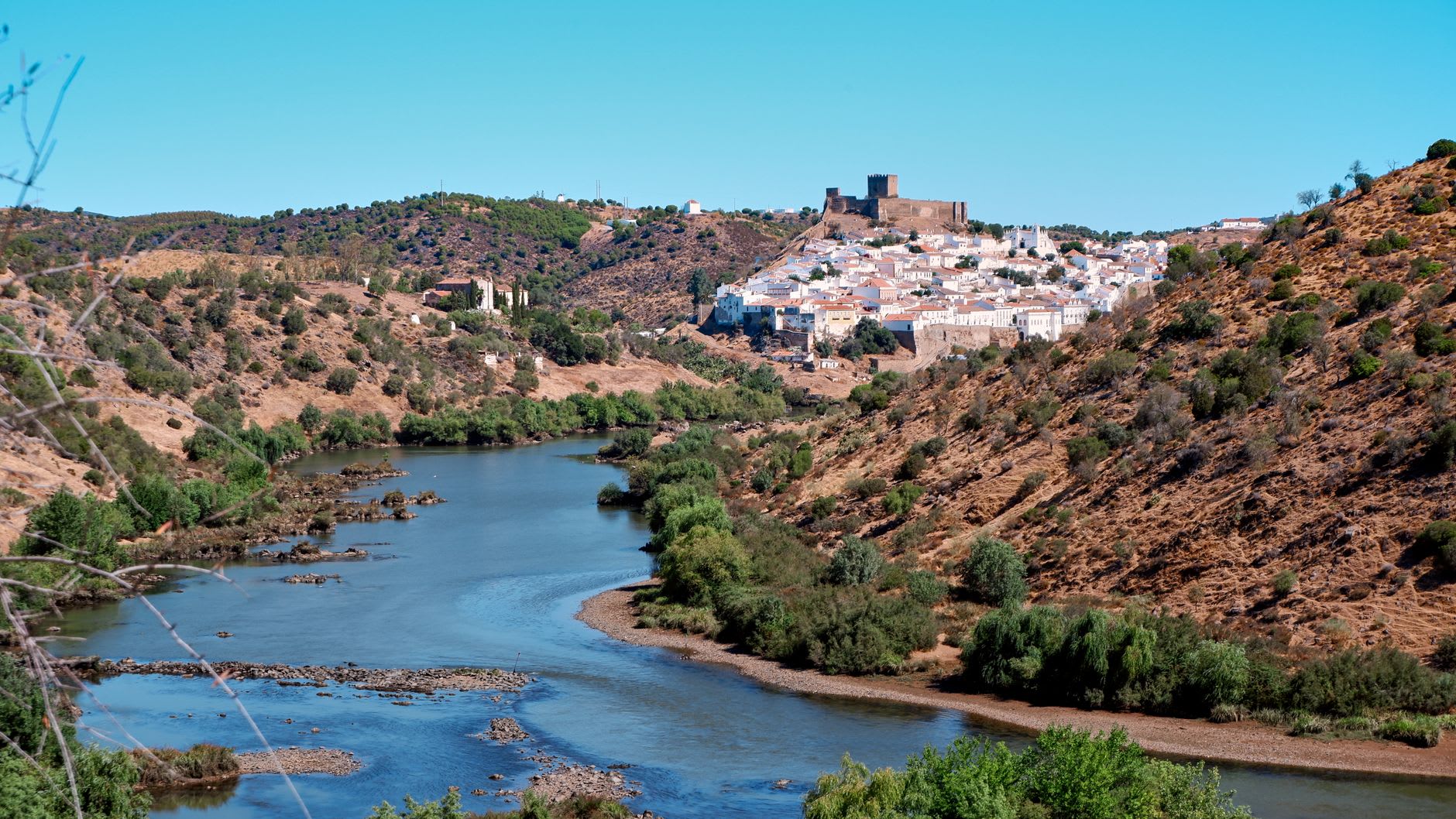
The town itself is small and extremely quiet, organized around the Terreiro do Paço, the great square in front of the palace where court life once played out. The marble is everywhere — the same pale, slightly pink stone from the quarries a few kilometers away, which produce material so abundant and fine that the Portuguese exported it to build palaces from Lisbon to São Paulo. In Vila Viçosa they paved the streets with it, trimmed the houses with it, built the fountains from it. Walking through the lower town feels like moving through a single continuous material, the light bouncing off every surface in a way that makes the whole place glow even on overcast days.
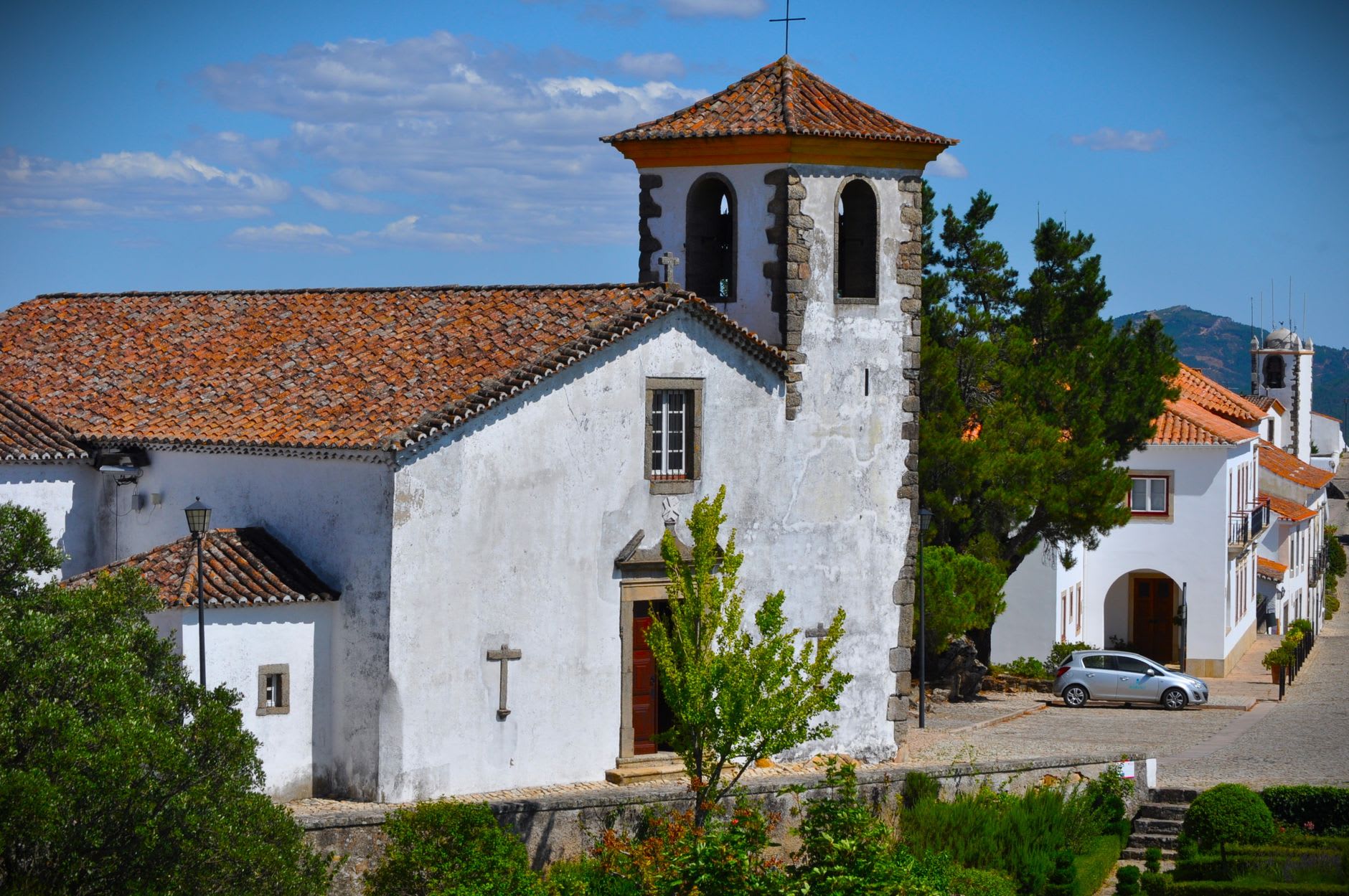
What I remember most clearly is the smell: orange blossom in the spring, a faint sweetness drifting through the quiet streets, mixing with the dry stone smell of the marble. I ate lunch in a restaurant near the main church — grilled secretos de porco, the pork cut that sounds like it’s hiding something and is — and shared a bottle of the local Borba wine with a couple from Porto who had been driving through the Alentejo for a week and could not believe they had left this town until the third day.
When to go: March through May for the orange blossom and bearable temperatures. October, when the last summer heat has broken and the town returns to its thoughtful, unhurried self, is equally good.