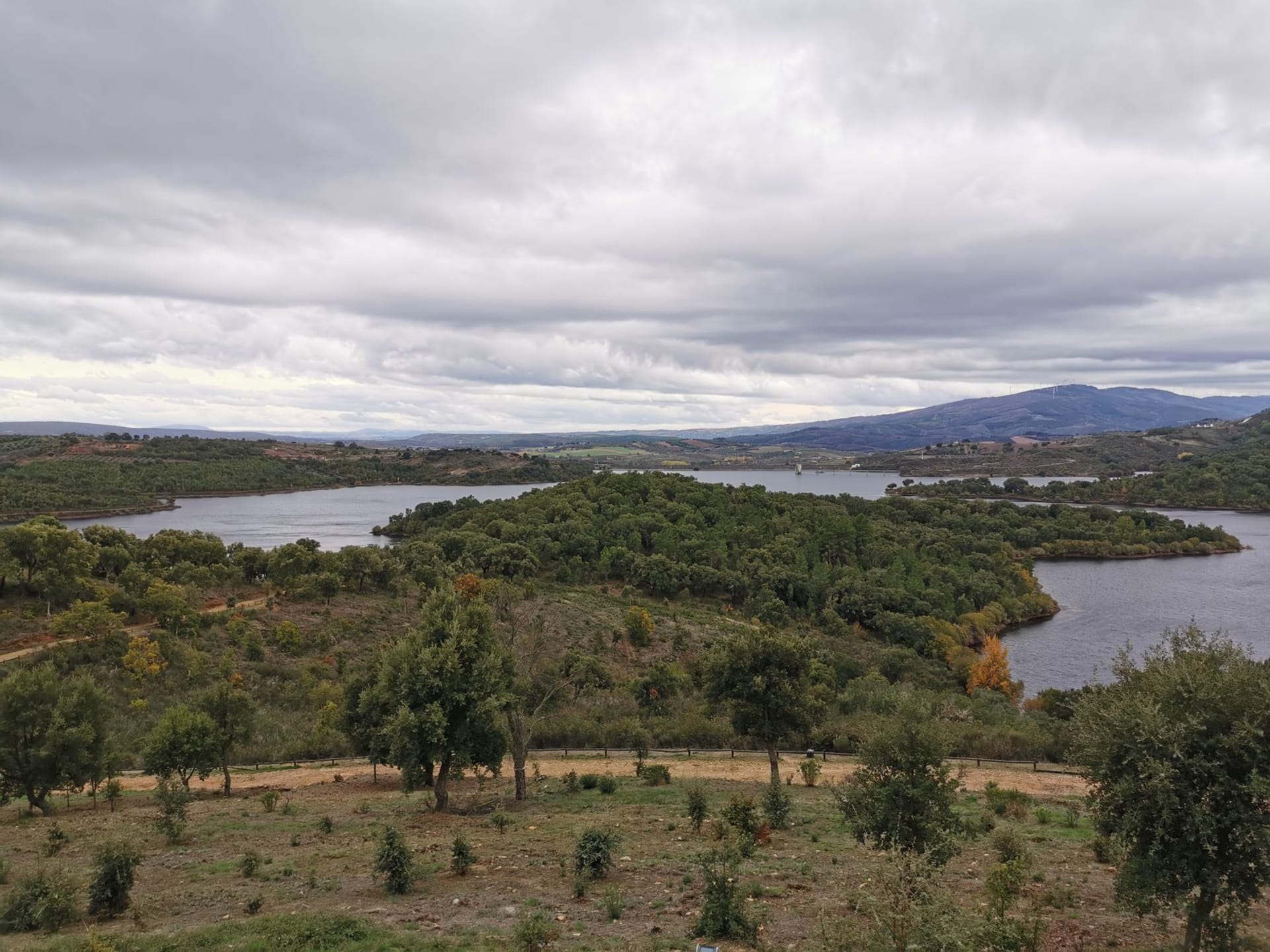
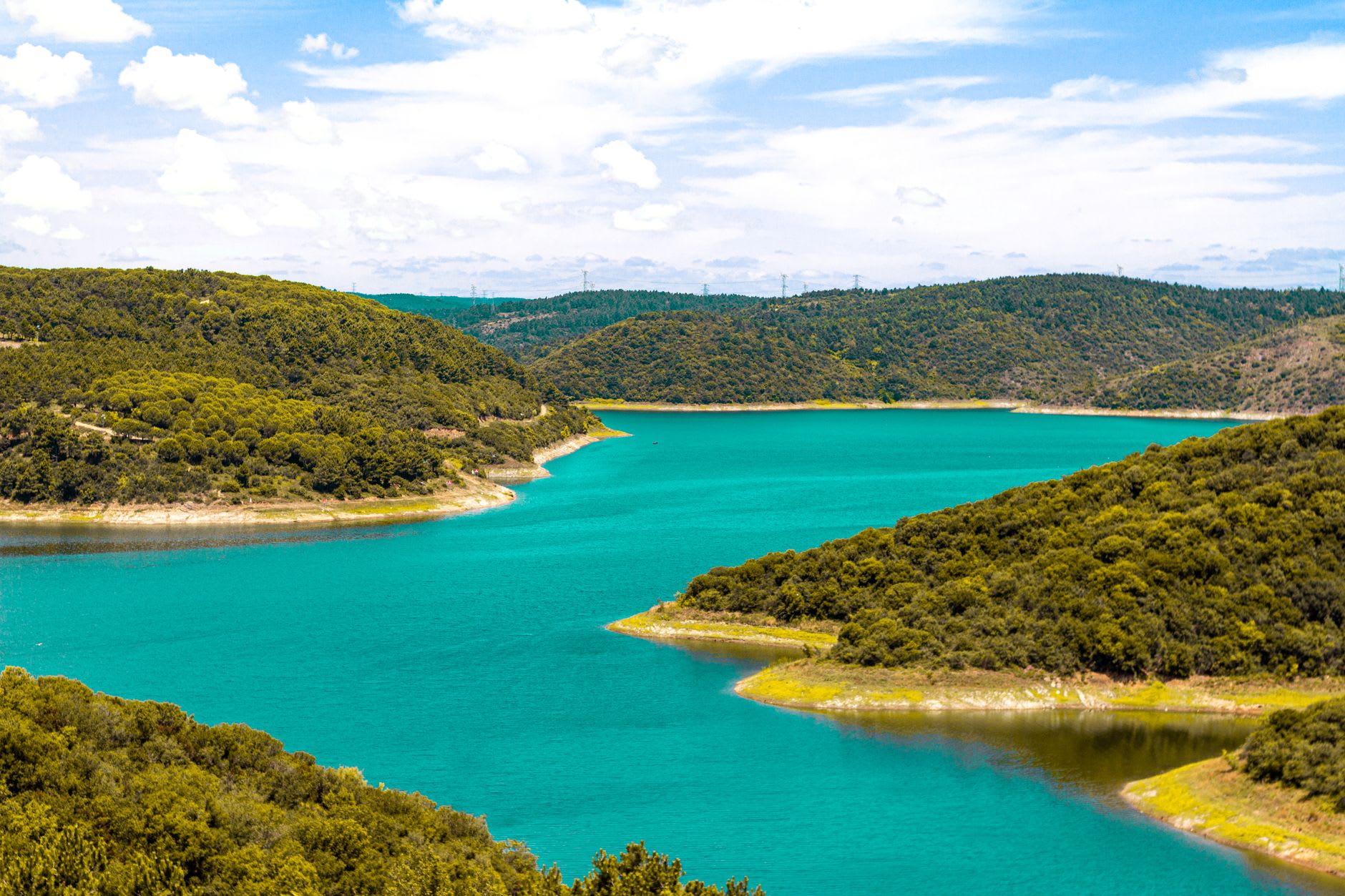
I arrived at the Alqueva reservoir on a September evening when the last of the day’s heat was lifting off the water and the light was moving through orange into something approaching bronze. The reservoir is enormous — 250 square kilometers of still water spreading across the southern Alentejo plains, shallow in places, deeply blue in others, bordered by red clay banks and cork oaks that lean toward the water as if listening to it. The dam was completed in 2002, and before the water rose it submerged several villages including the old settlement of Luz, which was relocated to higher ground before the reservoir filled. Somewhere beneath where I was sailing, an entire village lies preserved — houses, church, cemetery — waiting in the dark water.
A local boat operator took me out as the sun was setting, and we sat in the middle of the reservoir with the engine off, the water completely still around us, the distant banks low and dark. I had a glass of local wine someone had thought to bring. The birds — herons, egrets, the occasional osprey — were doing their evening movements overhead. The quality of silence out on the water had a specific texture to it: not the silence of an empty room but the silence of a space that is genuinely large, where sound dissipates before it can reach you.
The Alqueva area holds the distinction of being one of Europe’s largest Dark Sky Reserves, certified by the Starlight Foundation, which means the municipalities around the reservoir have committed to limiting light pollution in an already very dark corner of Portugal. On the night I stayed in a rural guesthouse near the water, I went outside at midnight and stood in the dirt yard for an hour looking upward. The Milky Way was not just present but architectural — a structural band across the sky, the kind of thing you intellectually know exists but rarely actually see because every city in the world is busy drowning it. It was the first time in years that I had seen it without flying somewhere specifically to do so.
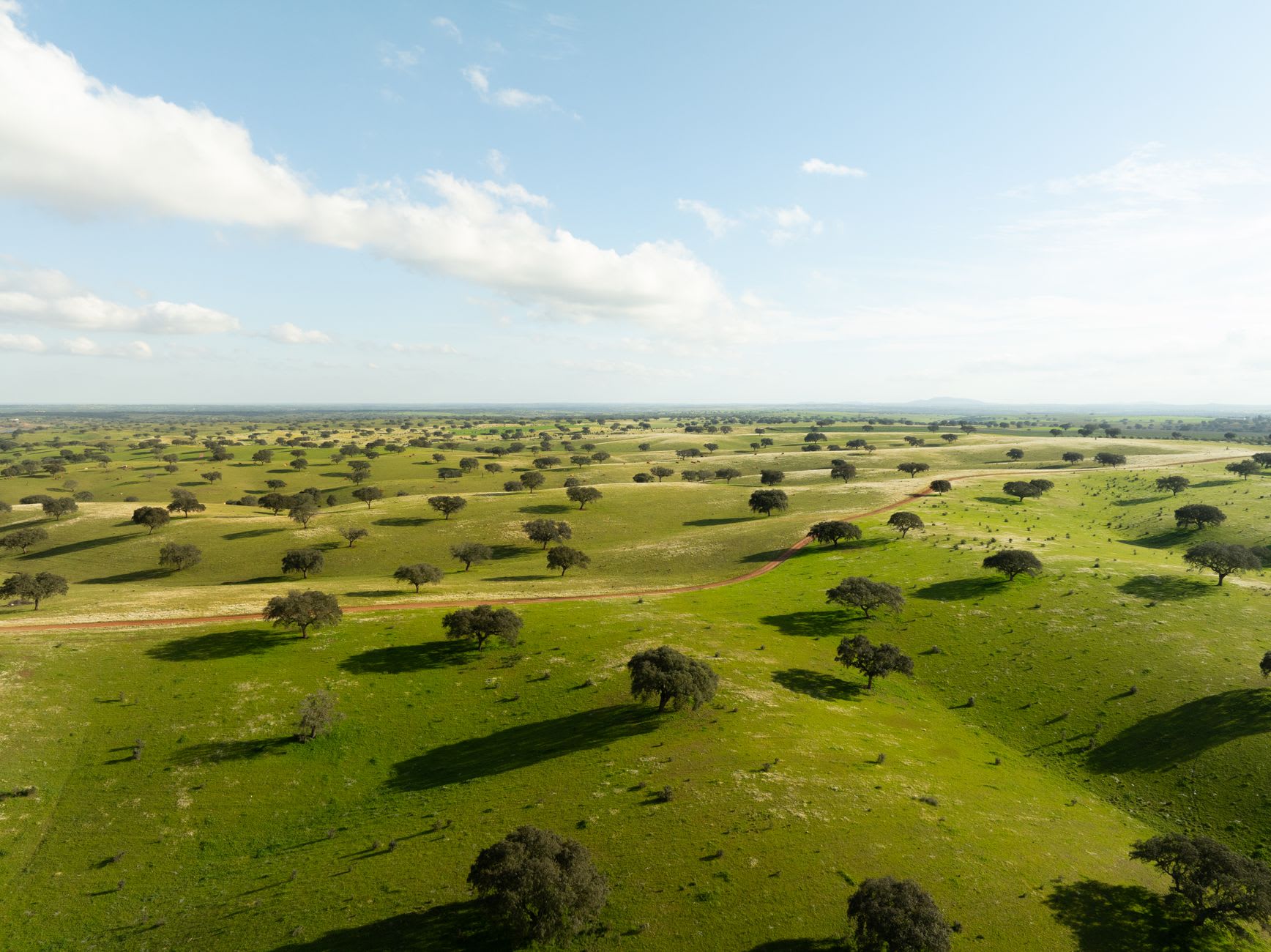
The village of Alqueva itself is tiny, barely more than a boat dock and a handful of guesthouses, and the tourist infrastructure around the reservoir is still pleasingly low-key. You can hire kayaks, take guided astronomy tours, swim from the clay banks in summer. The submerged village of Luz has a small memorial museum in the relocated village that is more affecting than it sounds: photographs of families carrying their belongings up the hill, the final church service, the water rising. A community choosing to stay together at the cost of the place they had always been.
When to go: September and October for warm water, bearable temperatures, and the most spectacular night skies. April for the wildflowers on the surrounding plains and the first warm swims. Avoid July and August when the reservoir becomes very busy.