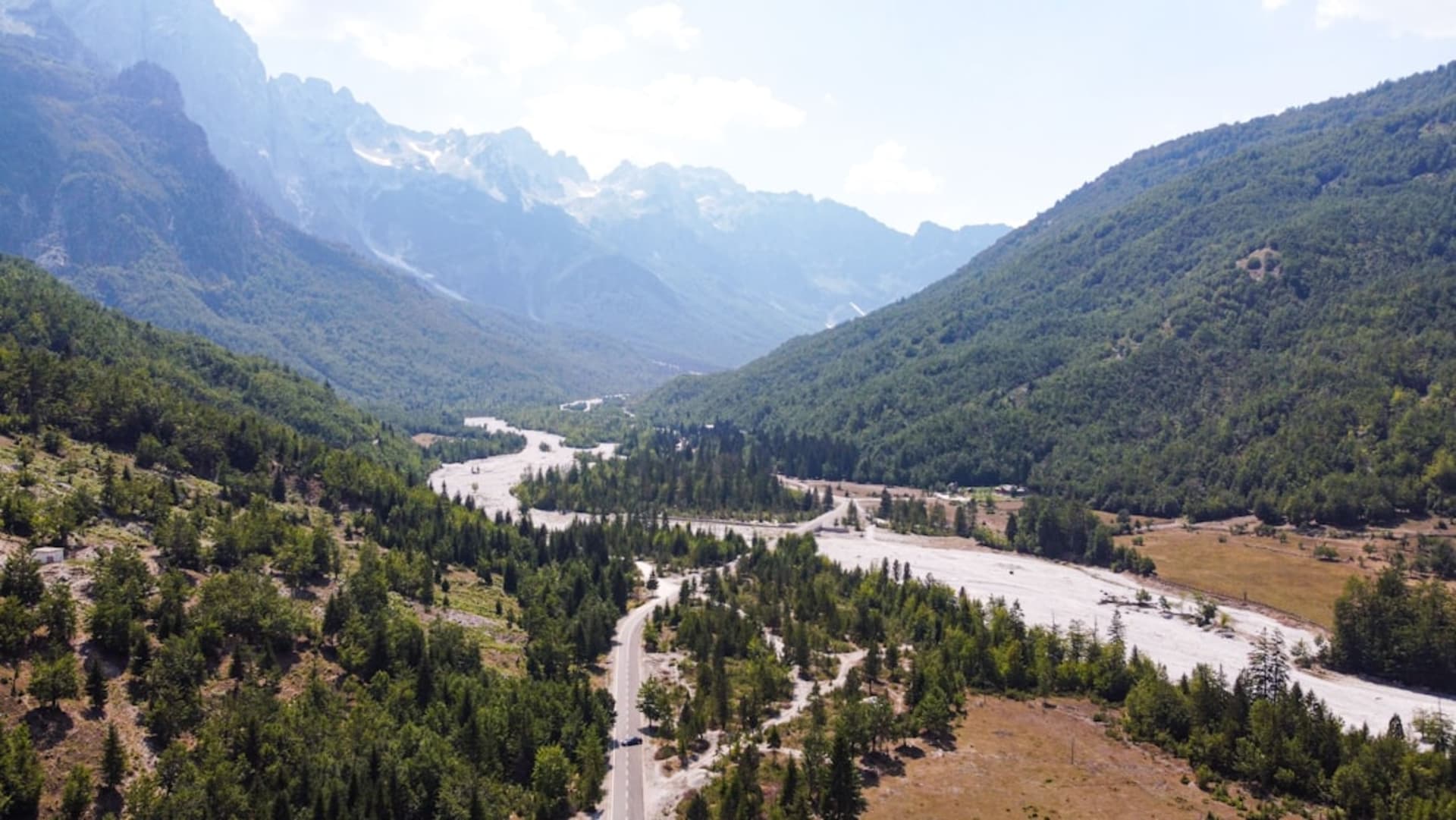
A near-ghost village in the mountains above Korçë that was once a Balkan metropolis of 30,000, now a handful of frescoed churches and cows in the road.
The road up to Voskopojë from Korçë climbs through pine and pasture for about twenty minutes, and nothing about the drive prepares you for what the village must have once been. In the eighteenth century Voskopojë — Moscopole, in the old Aromanian records — was one of the largest cities in the Balkans, a trading and printing center with a population estimate as high as 30,000, more than twenty churches, its own printing press, and merchant links stretching to Venice and Vienna. Ottoman raids and shifting trade routes gutted it over the following century, and what’s left today is a scattered mountain village of maybe a few hundred people, cows wandering the main lane, and a handful of those original churches still standing.
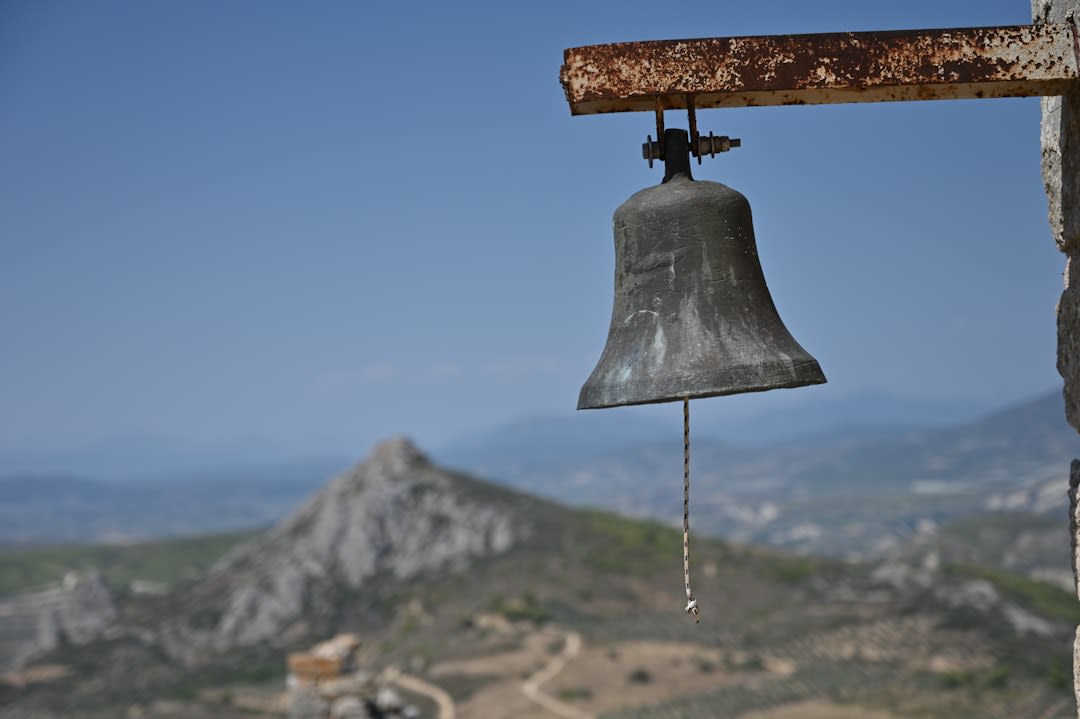
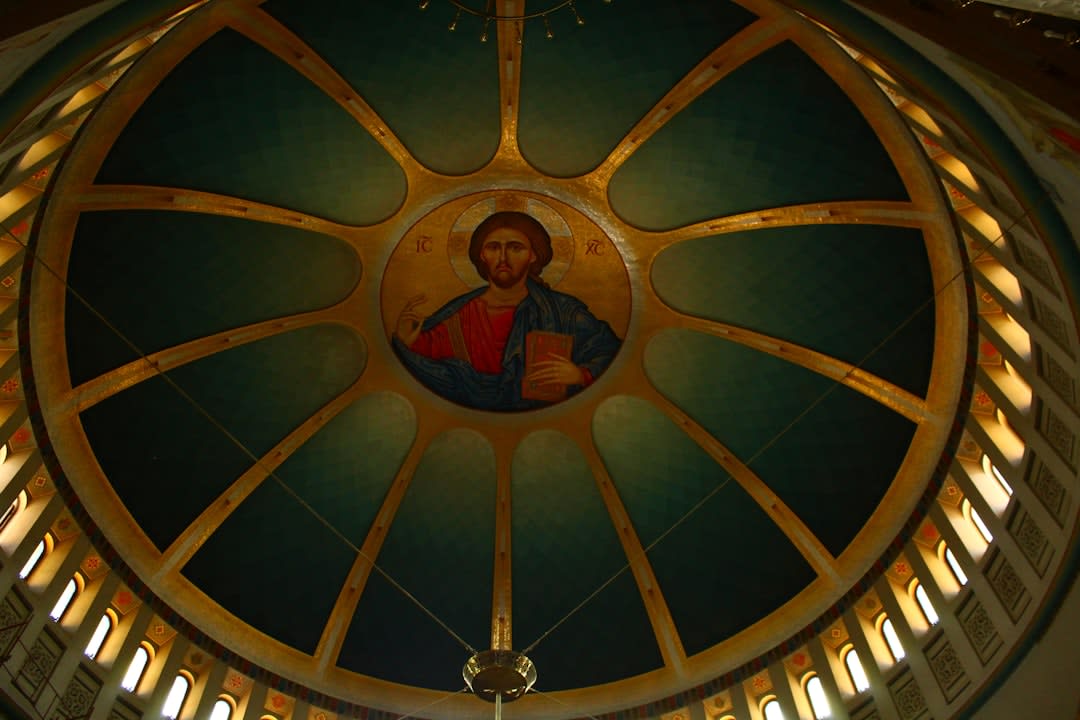
I visited St. Nicholas Church, one of the best preserved, and the caretaker — an elderly woman who appeared from a house across the lane with a giant iron key — unlocked it for us without a word of English needed, since the frescoes did the talking. Faded but still legible biblical scenes cover every wall and ceiling panel, a level of artistic ambition that felt wildly out of proportion to the handful of houses outside. Standing in the dim nave, dust hanging in the single shaft of light from the door, it was hard to reconcile this with the ghost-town quiet I’d walked through to get there.
We ate lunch afterward at a rustic guesthouse restaurant on the edge of the village, grilled trout from a local stream and a bowl of stewed beans that tasted like it had been cooking since morning, served by a family who seemed genuinely pleased that anyone had bothered to come up the hill.
When to go: Late spring through early autumn, when the mountain road is clear and the meadows around the village are green; the churches keep informal hours, so mornings give the best chance of finding a caretaker with a key.