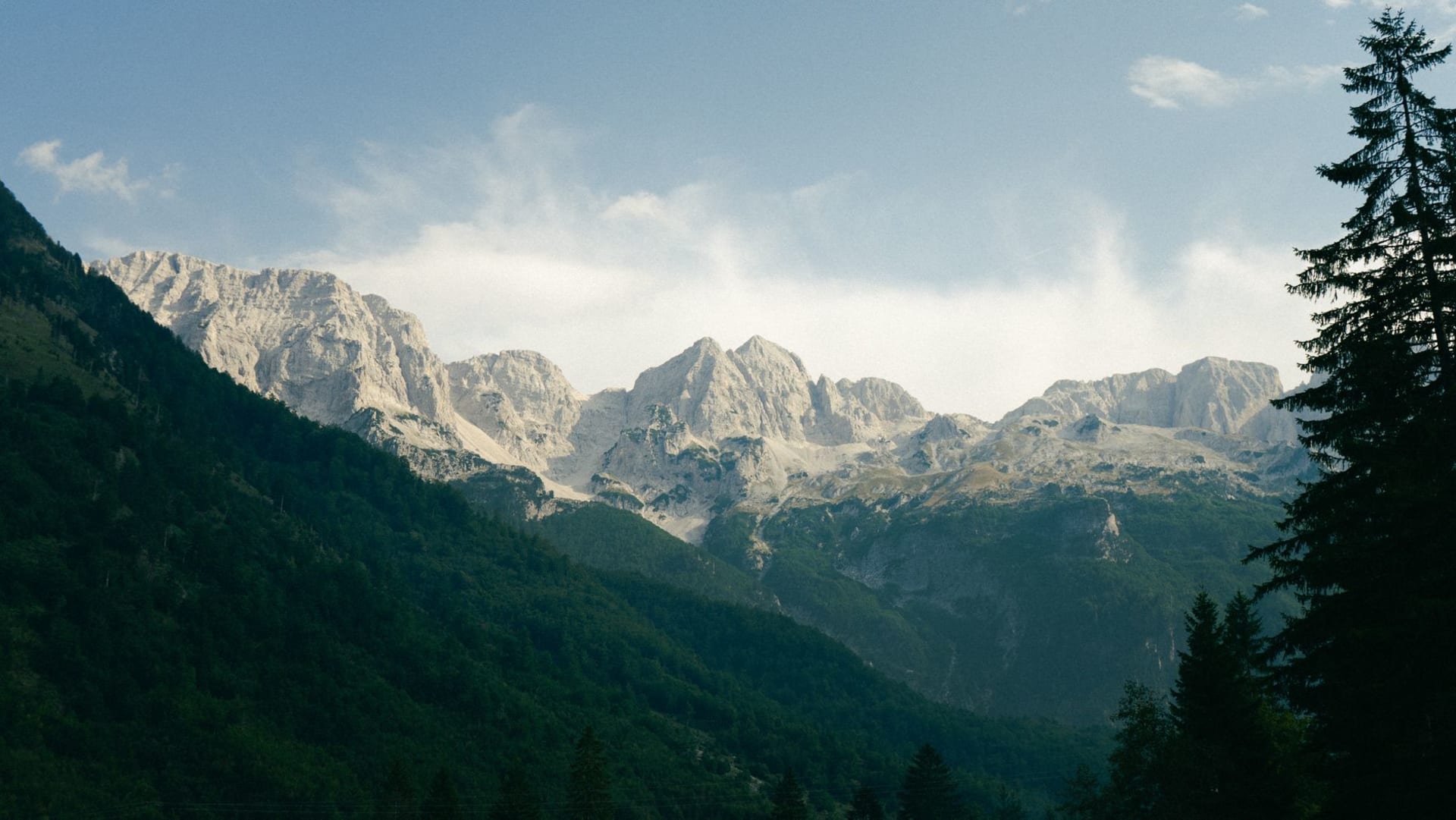
Valbona Valley
"The mountains here don't make you feel small so much as they make you feel honest."
A cathedral of limestone peaks and glacial river light tucked into the Accursed Mountains, where guesthouses serve raki before you've even sat down.

The ferry from Koman to Fierza is three hours of fjord-like water and sheer cliff, and by the time you reach Bajram Curri and then push on by furgon into the Valbona Valley, you understand that the Accursed Mountains didn’t earn their name from the landscape. They earned it because getting here makes everywhere else feel too easy.
I arrived in late afternoon when the light had dropped behind the western ridge and the valley floor sat in cool shadow while the peaks above still caught full sun — that particular alpine hour where everything has two temperatures at once. The Valbona River runs an implausible blue-green along the valley bottom, shallow enough in places to wade but cold enough to make you reconsider. I stood on the wooden footbridge near the village for a while doing nothing useful.
The Guesthouses
The accommodation in Valbona runs almost entirely on family-operated guesthouses, and the dynamic is consistent: you will be fed more than you asked for, charged less than you expected, and offered homemade raki within twenty minutes of arrival whether you want it or not. The raki is grape or mulberry and comes in a small unlabeled bottle. You drink it.
Meals are built around whatever the family grows or raises — cornbread, soft white cheese, lamb stew with wild herbs, cucumbers from the garden still warm from the sun. There’s a specificity to this food that restaurants can’t replicate. The tomatoes taste like tomatoes because they were picked an hour ago.
Into the Mountains
The hike to the Valbona Pass and down into Theth on the other side is the reason most people come, and it earns its reputation. The trail climbs through beech forest before breaking out onto open limestone terrain where the exposure is real and the views are the kind that make you stop mid-step involuntarily. The pass sits at around 1,800 meters and on a clear day you can see ridges stacking back in every direction toward Kosovo and Montenegro.
I did a shorter version one afternoon, going only to the treeline and back, and came down with legs that reminded me of that decision the next morning. Even the gentler paths along the valley floor are worth the time — following the river upstream toward where it emerges from the canyon, the sound of water swallowing everything else.
What the Silence Sounds Like
Valbona is one of those places that functions differently once the day hikers have gone back to Shkodër. In the evening, what you hear is: the river, a dog somewhere up the slope, and occasionally the bells of cattle moving through the dark trees. I sat outside until the cold won, watching the stars acquire density. The mountains are close enough that you can’t actually see the horizon in any direction. It’s less like being in a valley and more like being inside something.
When to go: June through September for hiking, with July and August busiest. June offers wildflowers and lighter crowds; September brings clearer skies and the beech forest starting to turn. The valley is largely inaccessible in winter — many guesthouses close and the upper roads become unreliable after snowfall.
Keep exploring
More from Albania
 albania
Vlorë
The port city where Albania declared independence in 1912, now a gateway to the Riviera with its own long, unpretentious seafront and seafood scene.
Explore albania
Voskopojë
A near-ghost village in the mountains above Korçë that was once a Balkan metropolis of 30,000, now a handful of frescoed churches and cows in the road.
Explore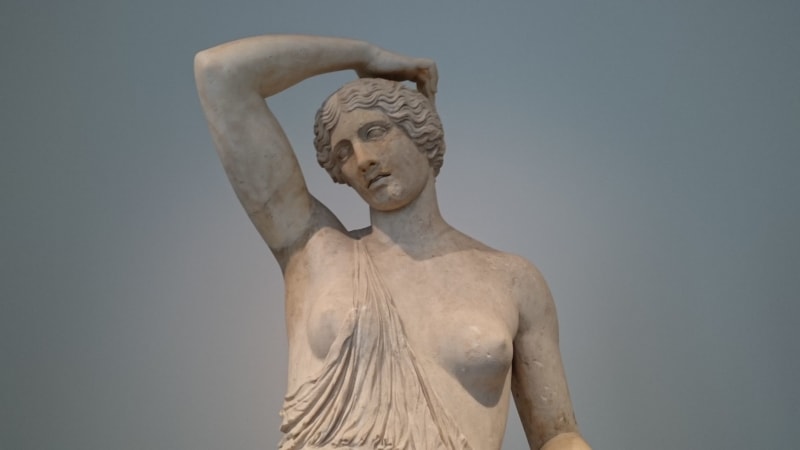 albania
Apollonia
An ancient Greek city on a limestone hill above the Albanian plain, half-excavated and wholly unhurried, where a medieval monastery sits inside ruins that predate it by a thousand years.
Explore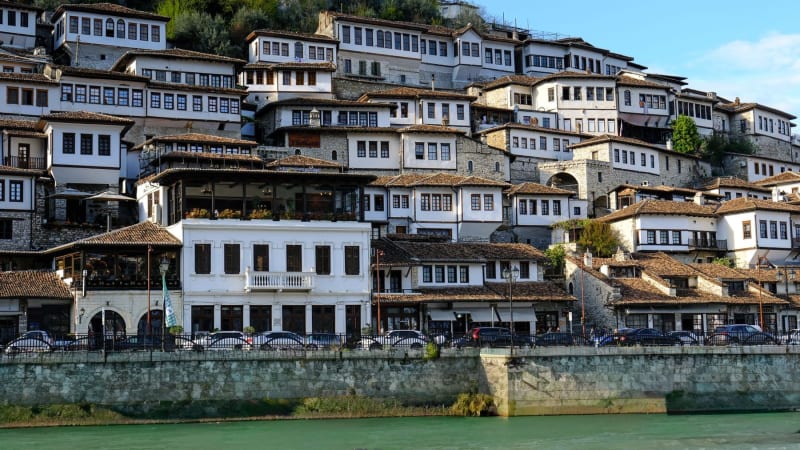 albania
Berat
The 'City of a Thousand Windows' rises in white Ottoman tiers on a hillside above the Osum river, a UNESCO gem still undiscovered.
Explore albania
Blue Eye Spring
A karst spring near Sarandë pours out an impossible, electric turquoise that looks retouched until you're standing at its edge.
Explore albania
Butrint
A UNESCO archaeological park near Sarandë where Greek, Roman, Byzantine, and Venetian ruins sit half-submerged in a lagoon full of birdlife.
Explore