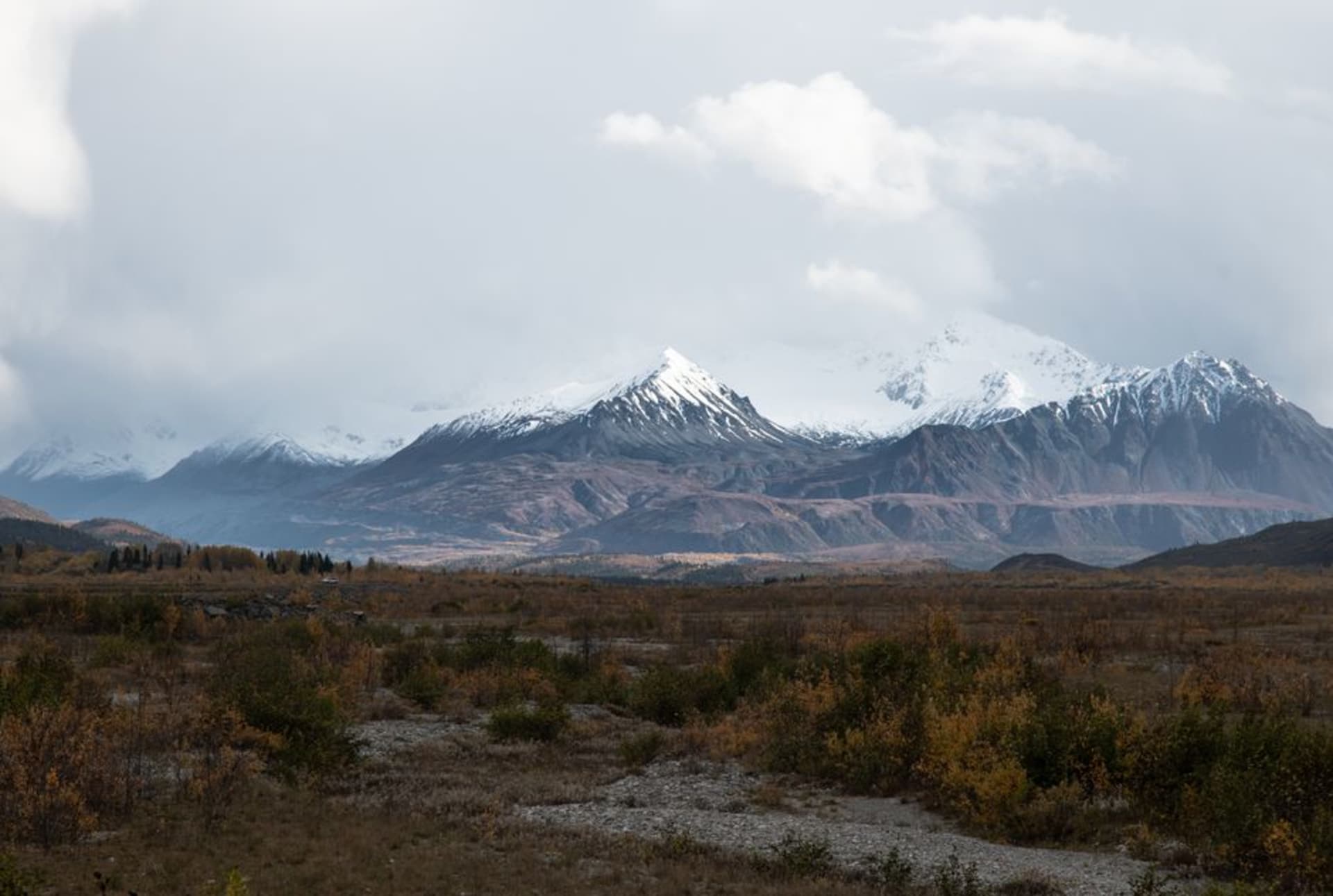
The town at the end of the Trans-Alaska Pipeline, ringed by waterfalls and fjord walls so steep the snow barely stays on them.
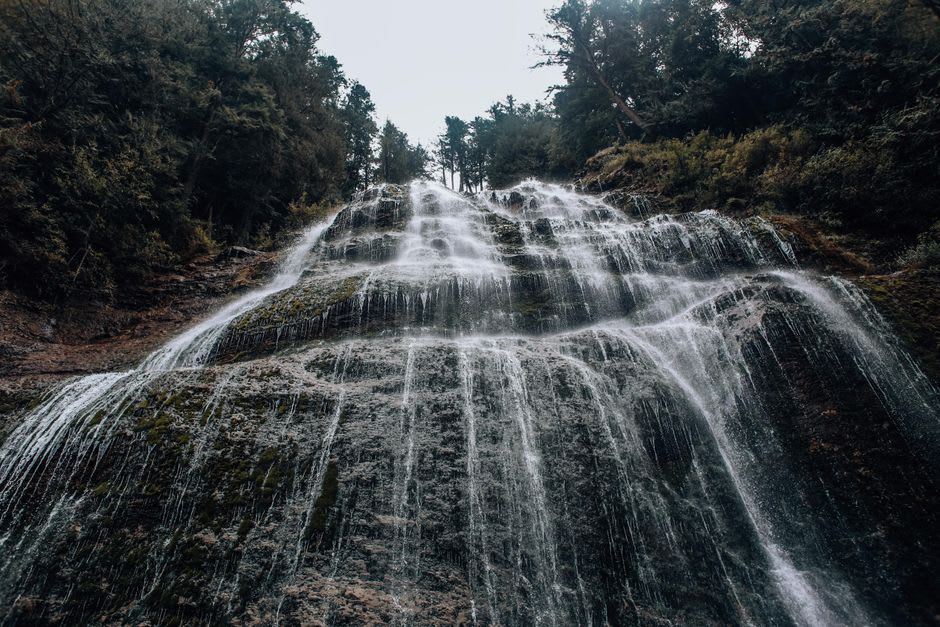
Valdez sits at the head of a fjord so dramatically walled-in by the Chugach Mountains that the town feels almost accidental, like it settled into the one flat patch of ground it could find. I arrived by the Richardson Highway, which drops through Thompson Pass and past Worthington Glacier before descending Keystone Canyon, where Bridal Veil Falls and Horsetail Falls pour directly off the cliff walls beside the road in a way that made me pull over twice within ten minutes, unable to help myself. This approach alone would justify the trip.
The town itself carries an odd double identity. It’s the terminus of the Trans-Alaska Pipeline, and the tank farm across the bay is a genuinely enormous piece of industrial infrastructure that receives oil piped nearly 1,300 kilometers from Prudhoe Bay — I took a boat tour that swung past it, and the scale of it against the surrounding wilderness is a strange kind of sublime. Valdez is also, inescapably, the town associated with the 1989 Exxon Valdez oil spill, and the small museum downtown handles that history with more honesty and less defensiveness than I expected, including hard footage of the cleanup and its incomplete aftermath.
But Valdez’s other identity is as a fishing and adventure town that seems to genuinely love where it is. The Valdez fishing derbies draw serious competitors chasing halibut and silver salmon, the harbor is busy with charter boats from May onward, and Prince William Sound spreading out beyond the fjord is one of the richest marine environments I’ve seen in Alaska — otters, seals, and porpoises showed up constantly on the water tour without anyone particularly looking for them. In winter, the same steep terrain that boxes the town in becomes serious heli-skiing country, drawing extreme skiers from around the world to slopes that are, by most accounts, absurd.
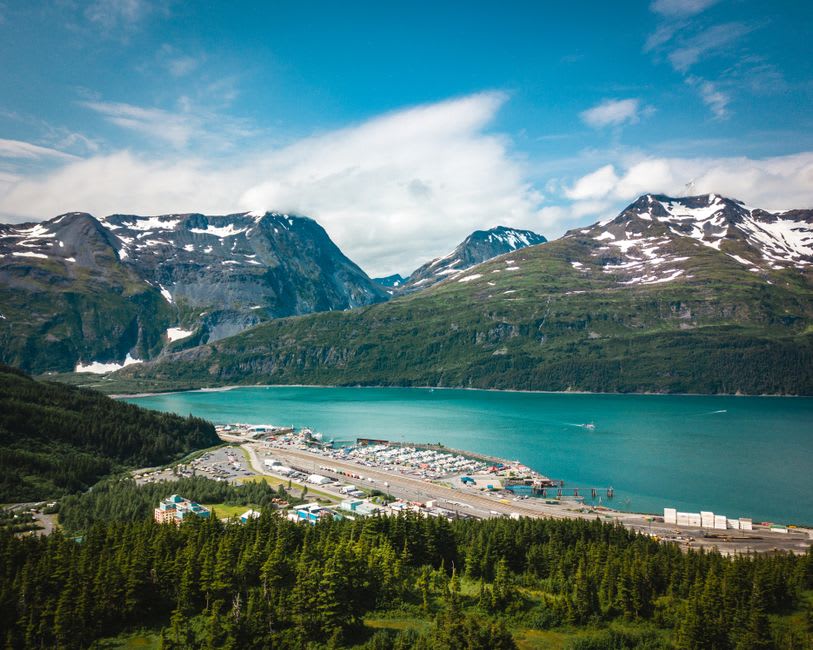
I ended one evening at a dockside spot eating fresh-caught halibut tacos while watching bald eagles work the pilings for scraps, which felt like a fairly complete summary of what Valdez offers: heavy industry and stunning wilderness sitting a few hundred meters apart, without either one canceling out the other.
When to go: May through September for fishing, boat tours, and the best chance at dry weather — this is one of the wettest towns in Alaska, so pack accordingly regardless of season. February brings the Valdez heli-ski season for those chasing extreme terrain.