
Talkeetna
"A floatplane taking off over the rooftops at breakfast, headed for base camp — that's Talkeetna on a Tuesday."
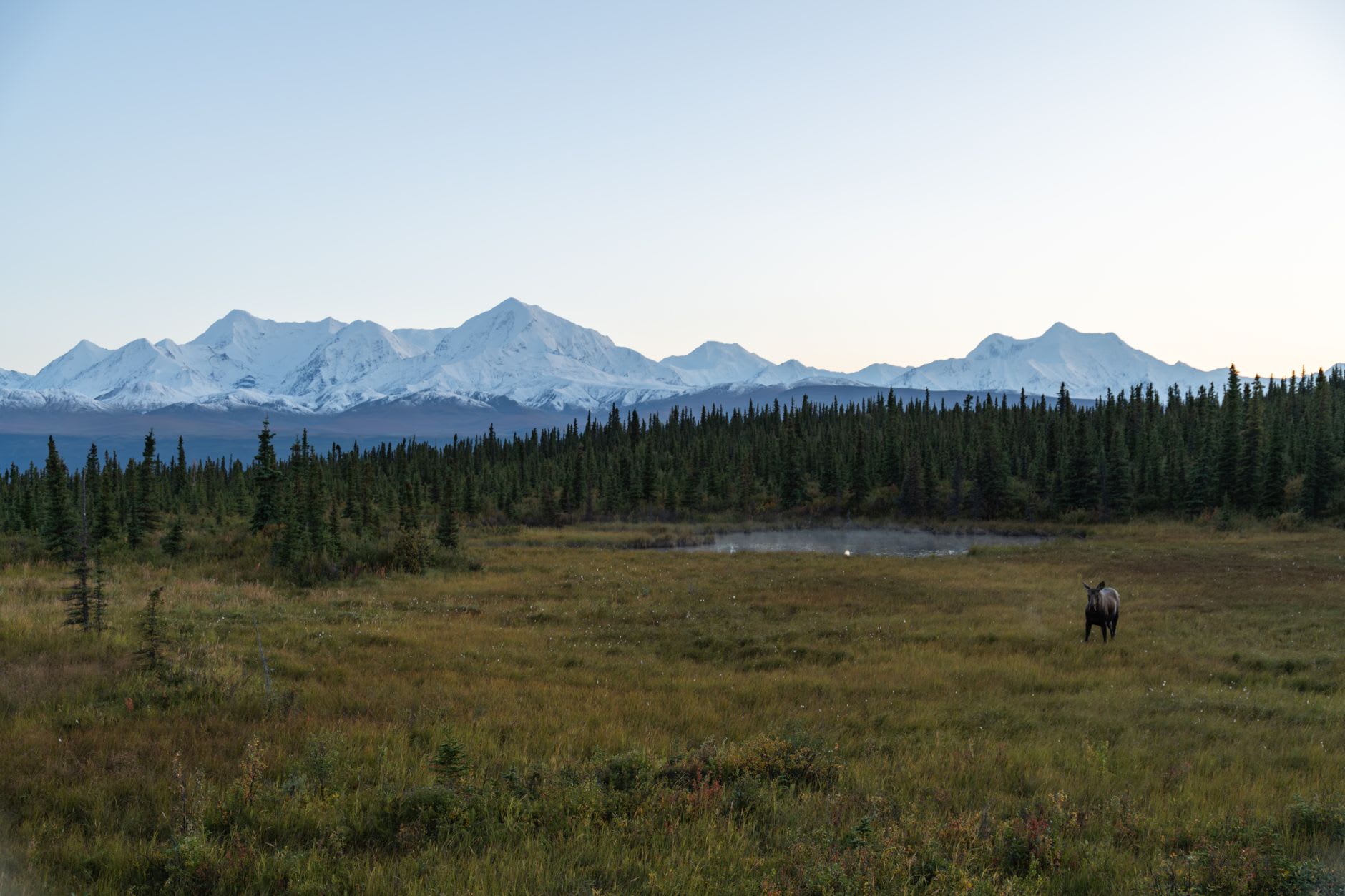
The train from Anchorage deposits you at a small wooden depot with a hand-painted sign, and from there you walk the length of what might generously be called a town — two or three intersecting dirt streets, a general store, a few old buildings that tilt slightly, as frontier buildings do — and reach the edge of a gravel bar where the Susitna, Chulitna, and Talkeetna rivers converge in a wide, muscular braid. Across that water, if the weather cooperates, is Denali — not small and symbolic, but enormous and present, an entire wall of the horizon given over to a single mountain. I stood there eating a reindeer sausage from a stand near the depot, warm and slightly gamey and perfect, watching floatplanes taxi across the river and lift off toward the Alaska Range, headed for base camp on the Kahiltna Glacier. This is the last bit of flat ground before the mountain. Everything here feels like a threshold.
The town’s character comes almost entirely from two things: mountaineering and Alaska eccentricity, which turn out to be deeply compatible. Every May and June, Talkeetna fills with climbing teams from around the world — Japanese, Korean, European, American expeditions stacking equipment outside the ranger station, adjusting harnesses, eating enormous plates of food at the roadhouse before the flight in. The Talkeetna Roadhouse itself is something you must eat in at least once: sourdough pancakes the size of a hubcap, served in a room of mismatched chairs and long communal tables, with climbers and bush pilots and tourists all eating together in the particular democracy that comes from being somewhere genuinely remote. The cinnamon rolls are a monument to the form.
The history underneath the present-day tourism is worth paying attention to. Talkeetna was a supply town for gold mining before mountaineering found it, and the historical museum in the old depot — small, unpolished, earnest — has the kind of photographs that stop you: weathered faces, impossible loads, makeshift camps in an era when the range was even more savage than it is now. Don Sheldon, the legendary bush pilot who pioneered landings on the Kahiltna Glacier in the 1950s, is the town’s real patron saint. The glacier landing he developed made Denali climbs practical. His name is on a ranger station and an amphitheater of ice near base camp that bears his name.

I spent two nights here, which felt right. Long enough to catch the evening light on Denali from the river bar — that slow Alaskan sunset that lingers for two hours, turning the mountain rose and then copper — and to eat twice at the roadhouse and once at a small place doing credible Alaskan salmon in a manner that suggested someone actually cared about the cooking. The town goes quiet late in the evening but never fully dark in summer. I sat on the porch of my small rental and read until midnight by natural light, which is one of those experiences Alaska keeps offering that I can’t fully explain afterward.
When to go: Late April through early June is peak mountaineering season — the town has energy and the mountain is most likely visible in the pre-solstice dry period. July and August are warmer and greener but cloudier around Denali. September is beautiful and half-empty.