Matanuska Glacier
"Matanuska is the glacier that lets you touch it instead of just admiring it from a boat."
The most accessible glacier in Alaska, a river of blue ice you can actually walk out onto within a short hike of the Glenn Highway.
Most of the glaciers I’d seen in Alaska up to this point required a boat, a plane, or a serious hike to reach, which is part of what makes Matanuska Glacier so unusual: you drive the Glenn Highway northeast out of the Matanuska-Susitna Valley, pull into a gravel lot, pay a small access fee to the family that owns the land bordering the terminus, and within twenty minutes of walking you’re standing directly on top of moving glacial ice. It remains one of the most casually accessible genuine wilderness experiences I’ve had anywhere in the state.
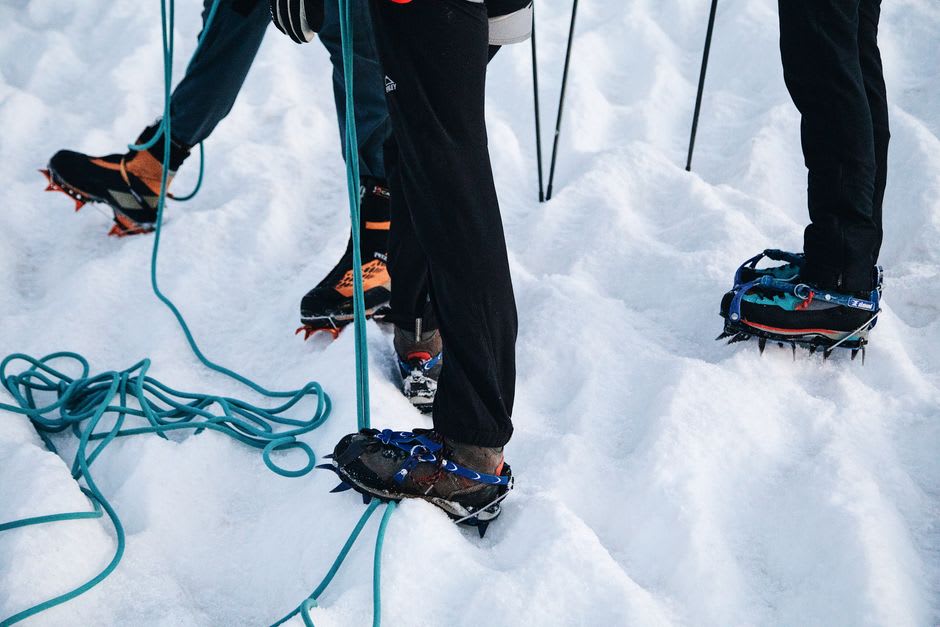
The ice itself is enormous even by Alaskan standards — the glacier is around 43 kilometers long and four kilometers wide at its terminus — and the surface up close is a genuinely alien landscape: moulins where meltwater disappears into blue-black shafts, ridged pressure formations, and ice in shades of blue so saturated they look digitally enhanced in every photograph I took, though none of them were. I went with a guide who fitted me with crampons and an ice axe, which is the responsible way to do it since the crevasse fields are real hazards, and we spent three hours working across terrain that shifted from smooth walkable ice to sections requiring actual scrambling.
The valley below the glacier, the Matanuska-Susitna, is agricultural in a way that feels almost absurd this far north — the near-endless summer daylight produces genuinely oversized vegetables, and the state fair in nearby Palmer each August displays cabbages that regularly exceed 40 kilograms, a detail I found more disorienting than the glacier itself. Farm stands along the highway sell that produce directly, and I bought vegetables grown within sight of one of the more active glaciers in the Chugach range, which felt like a small, specific Alaska joke.
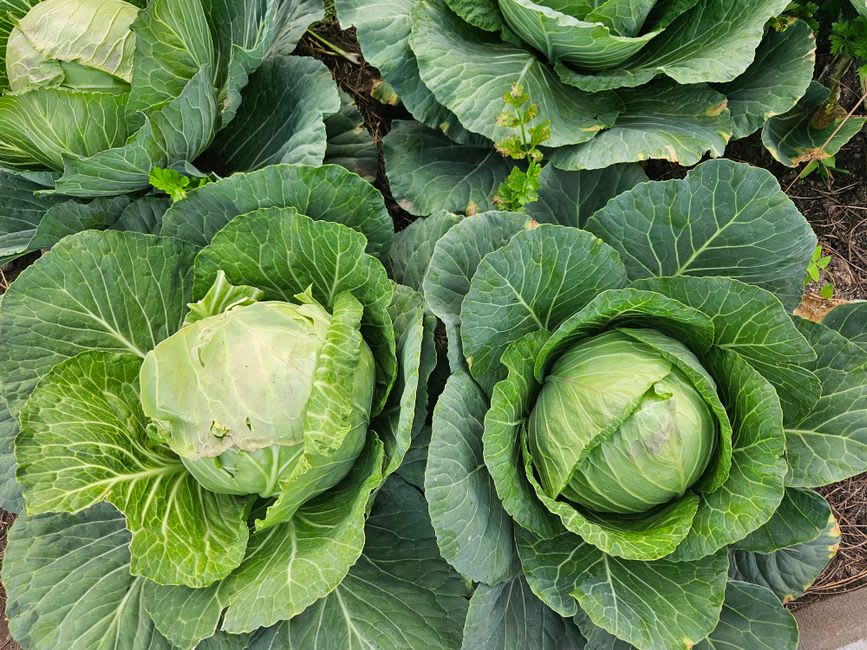
When to go: May through September for glacier access and ice trekking, with drier trail conditions in July and August. Visit the Palmer State Fair in late August if your timing allows — the giant vegetable weigh-off is a genuinely strange delight.
Keep exploring
More from Alaska
 alaska
 Nome
A former gold rush boomtown on the Bering Sea coast, now the finish line of the Iditarod and the gateway to a genuinely Arctic landscape most visitors never see.
Explore alaska
 Seward
A harbor town wedged between mountains and Resurrection Bay, built around fishing boats, glacier tours, and a footrace up a mountain that seems designed to hurt.
Explore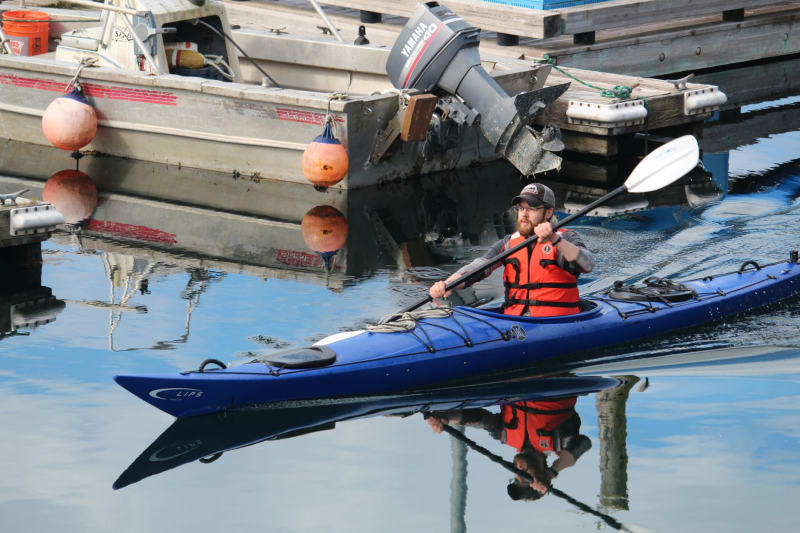 alaska
 Sitka
The old Russian capital of Alaska, where onion domes sit above a Tlingit landscape and sea otters float in the harbour like they own it.
Explore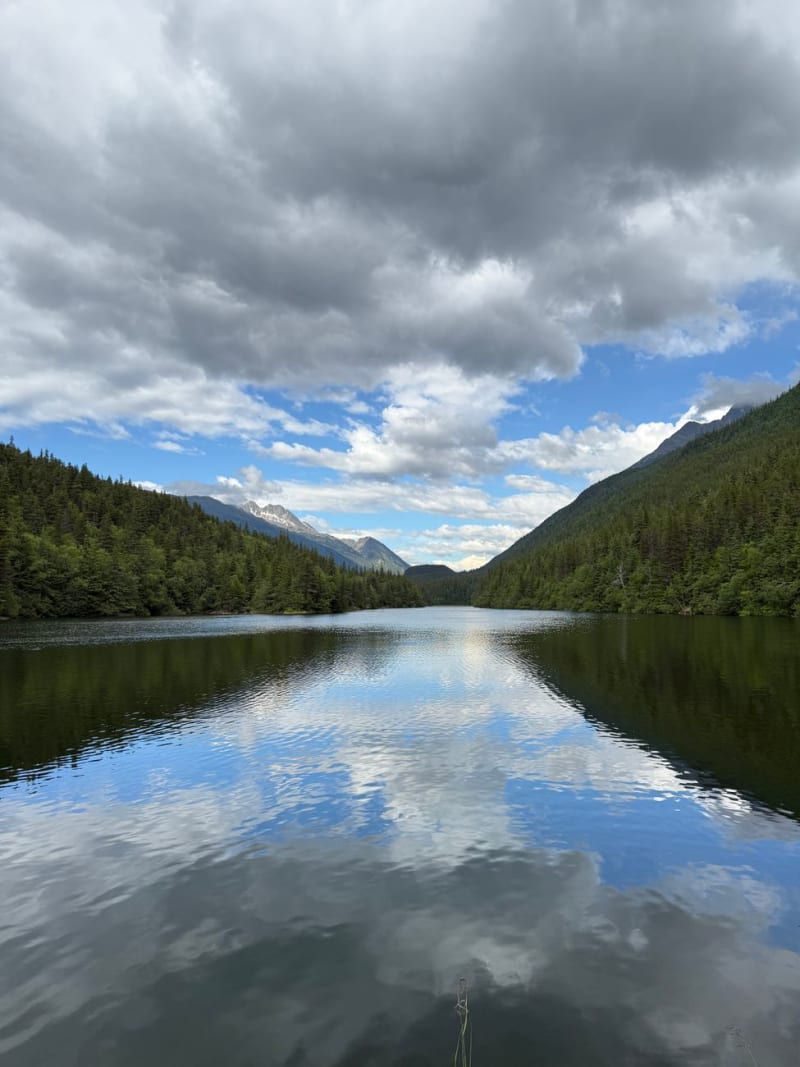 alaska
 Skagway
A gold-rush boomtown frozen mid-sentence at the head of a fjord, where false-front saloons line a single street and a narrow-gauge railway claws up into the mountains.
Explore alaska
 Talkeetna
A dirt-road mountain town of 900 people that quietly serves as the staging ground for the world's most audacious high-altitude climbs.
Explore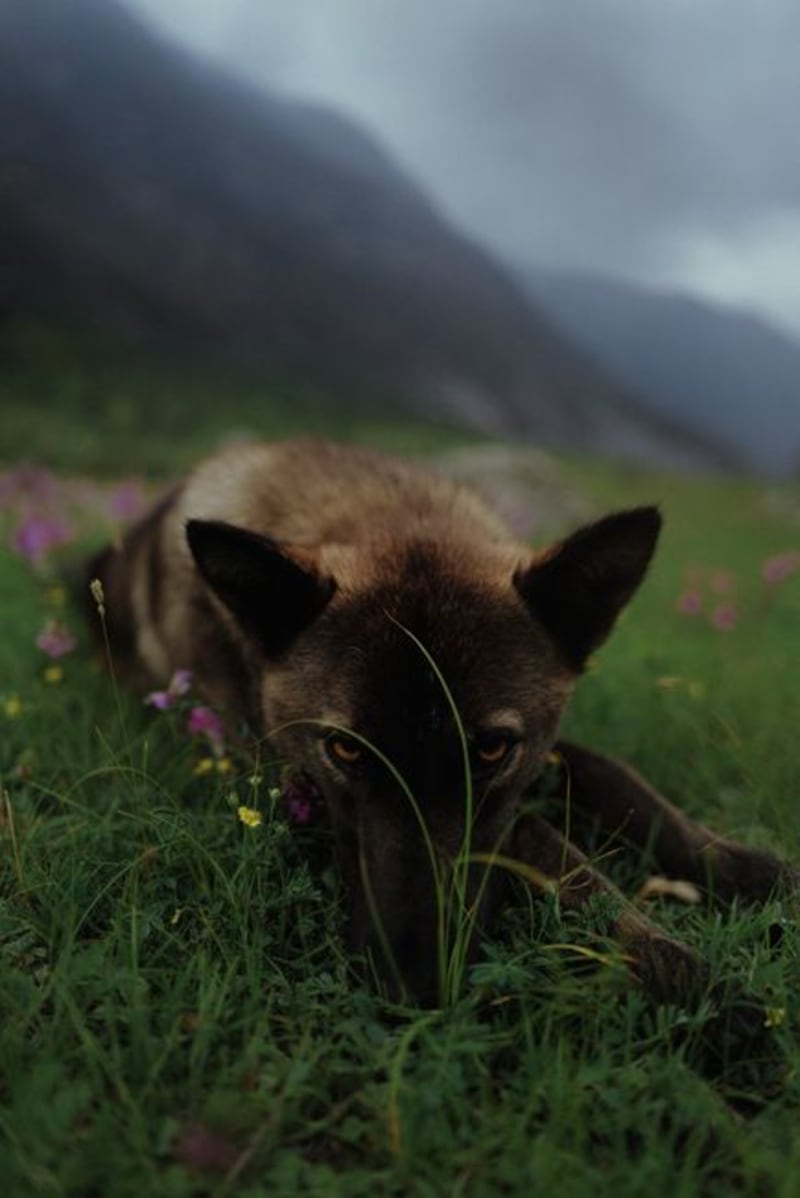 alaska
 Utqiagvik
The northernmost community in the United States, an Iñupiat whaling town on the Arctic Ocean where the sun disappears entirely for two months each winter.
Explore