Fairbanks
"Fairbanks doesn't try to charm you. It just lets you stand in a field at midnight and watches the sky do the work."
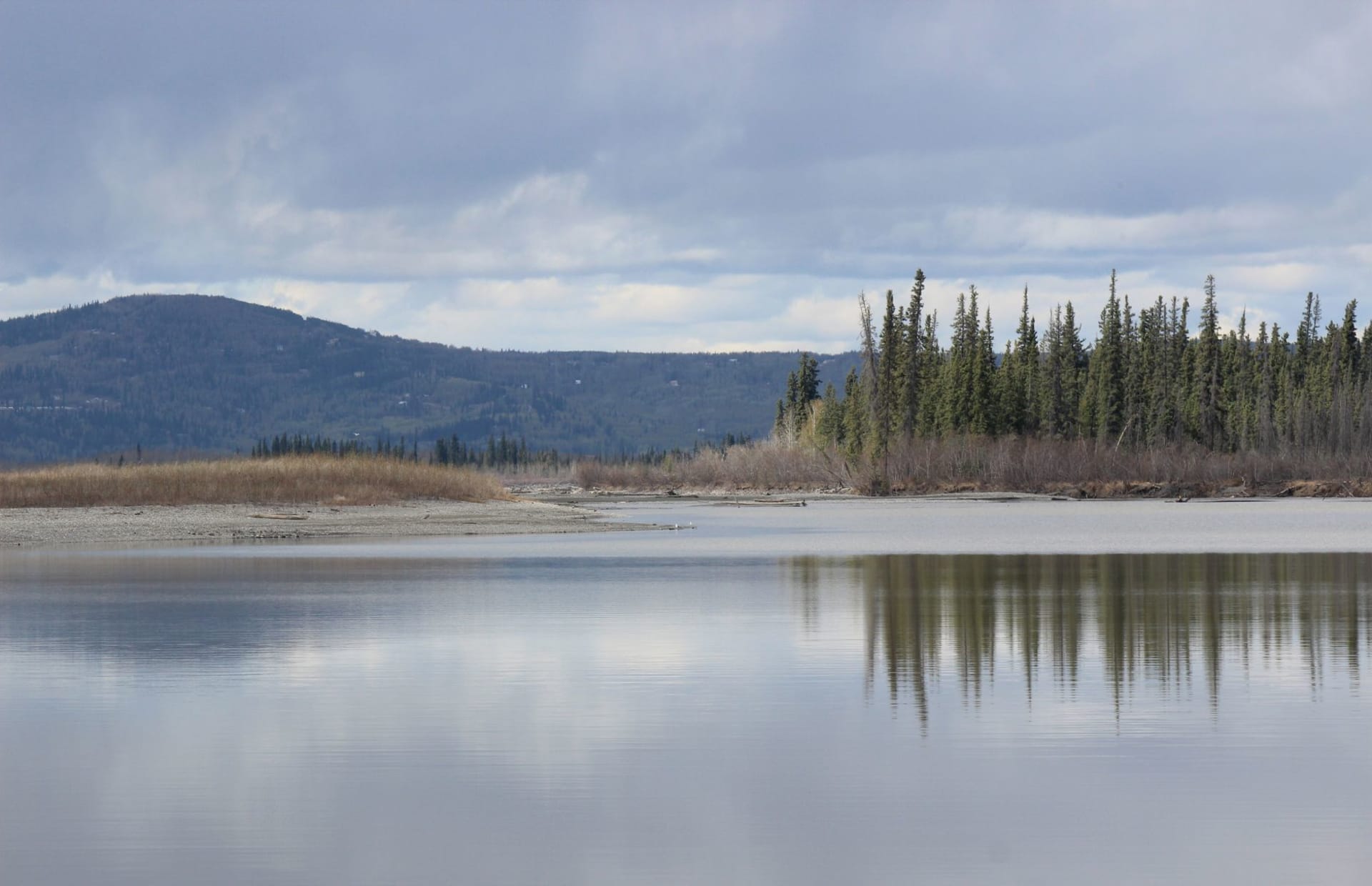
I came to Fairbanks in February, which is a thing that requires some deliberate commitment. The temperature the day I landed was minus thirty-one Celsius, and the air had a quality I had no previous vocabulary for — not cold as in uncomfortable, but cold as in structural, as in the world has reorganized itself around this fact. Exhaled breath froze and fell rather than dissipating. My glasses fogged and iced the moment I stepped outside. The Chena River, running through the middle of the city, was a flat white road of ice. I walked out onto it — people do this; there are paths, even parked vehicles — and stood in the middle of it, listening to the silence, which was absolute and slightly frightening, the kind of silence that makes you aware of your own circulatory system.
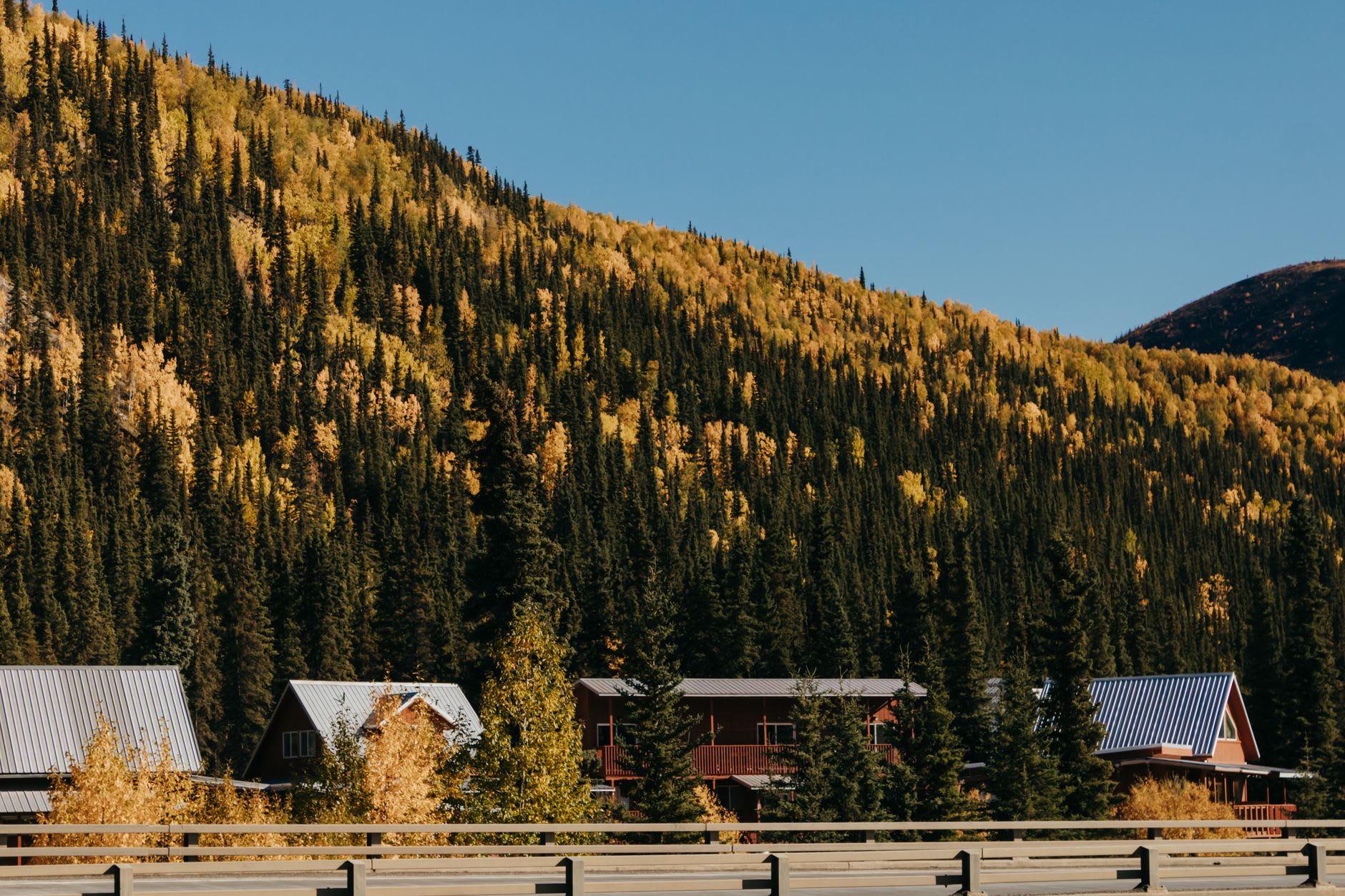
The city itself is not beautiful in any conventional sense. It’s a grid of strip malls, big-box stores, industrial outfitters, and practical buildings that exist to serve the demands of a place where winters are extraordinary and survival is still a meaningful category. But the people who live here have a particular quality I found difficult to name at first and then identified as self-sufficiency that’s been transmuted into warmth. They’ve made a choice that most people look at with incomprehension, and they know it, and the mutual recognition of that choice creates a kind of immediate fellowship between locals and the genuinely curious visitor. I ate moose stew in a diner near the university — thick, dark, unadorned — and had a conversation about permafrost engineering with the man at the next table that I think about more than I probably should.
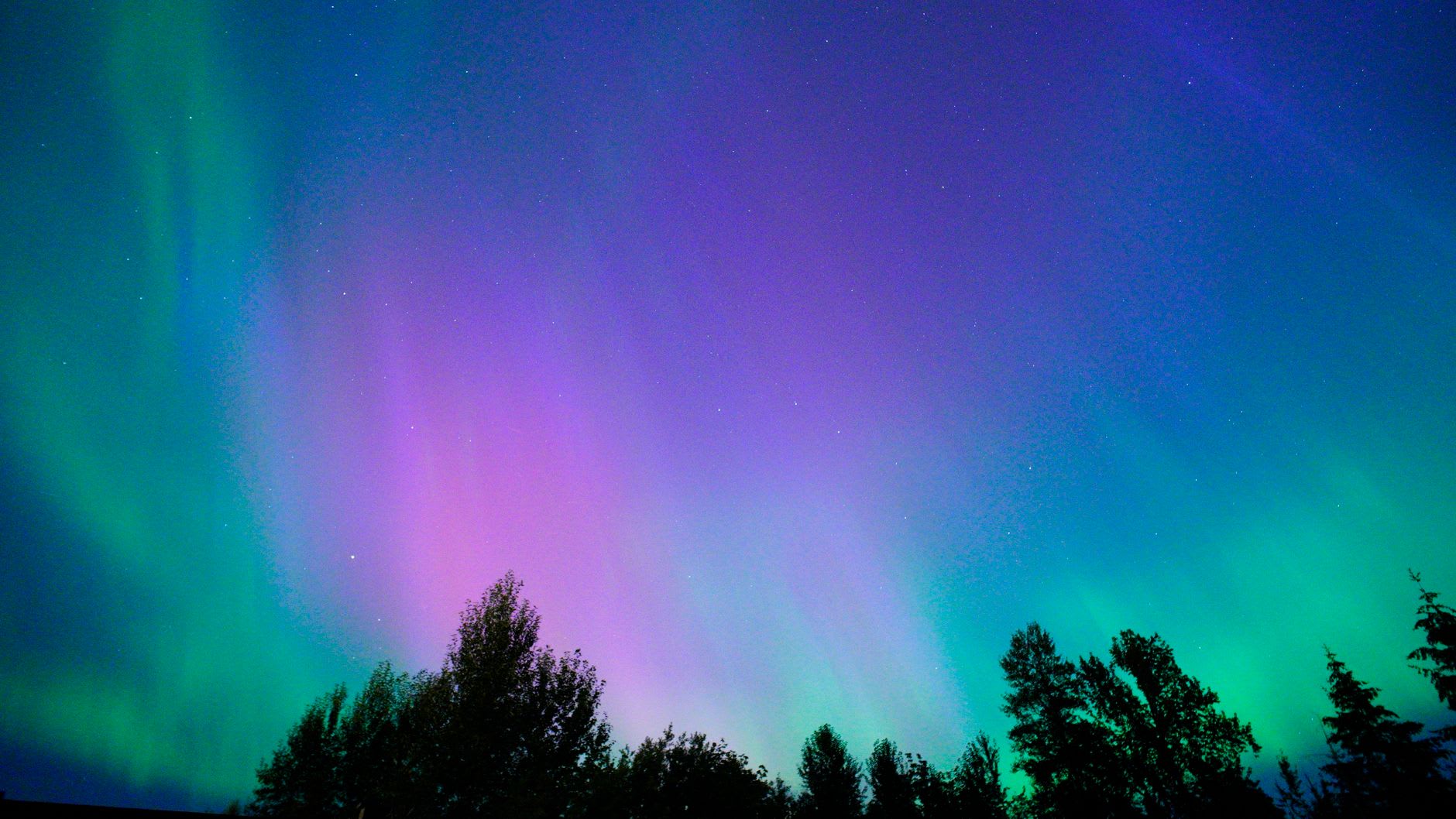
The aurora is the reason people come in winter and the reason is legitimate. I drove twenty minutes outside the city on a clear night, to a spot where the light pollution faded and the treeline dropped away, and waited. When it came, it came fast — a green arc first, just a smudge above the horizon, then in the space of five minutes it was overhead and moving, rippling in curtains of green and then white and once, briefly, a thin edge of red at the top that made me actually say something aloud. I had seen photographs. The photographs are not the thing.
Summer Fairbanks is a different and less-visited proposition: the midnight sun means you can hike, fish, and paddle at any hour, and the Chena River becomes a canoe corridor. The Chena Hot Springs, an hour’s drive east, are worth the trip in any season — steaming water in a clearing in the spruce forest, the mineral smell rising in clouds. The university’s Museum of the North is genuinely excellent: well-curated Indigenous Alaska collections, strong natural history, and a building that sits on a ridge with views that go a long way toward explaining why someone would choose to live here.
When to go: February and March for the northern lights — the skies are clearest and the nights longest. Expect extreme cold and dress for it as a technical matter, not a fashion one. Late June for the midnight sun and the Midnight Sun Festival. Fall color hits the birch forests around mid-September, briefly and beautifully.