Sottunga
"Sottunga is what happens when people decide the world doesn't need to be any larger than this."
The official statistics call Sottunga the least populated municipality in Finland and in all the Nordic countries, which is a bureaucratic way of saying: around a hundred people live here, give or take a few who moved away and haven’t quite been removed from the rolls. I arrived on a Wednesday in July on the inter-island ferry that calls at Sottunga on its way between Kökar and the main island, and I was one of two passengers who got off. The other was a man carrying what looked like a new carburetor for a boat engine, and he was met on the dock by someone who appeared to have been expecting exactly him. I was not expected, and I found this clarifying.
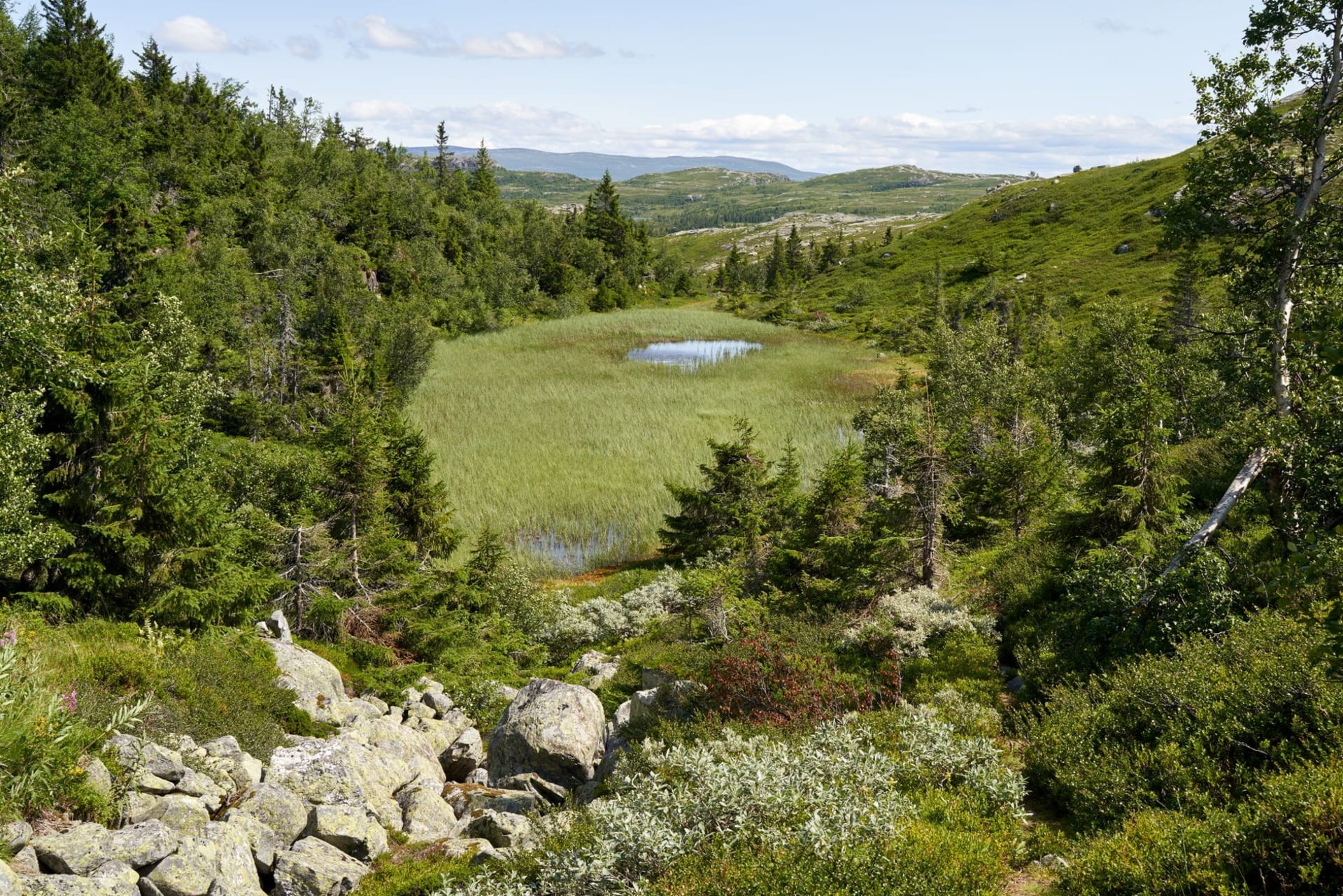
The island of Sottunga — the main island in the municipality — is a few square kilometers of the Ålandic formula in its most reduced form: granite, moss, some birch and pine on the sheltered interior, wildflowers in the meadow strips between the rock. There are no hills. There is no particular feature that would draw a cartographer’s attention. What there is, is the specific quality of a place that has simply continued to be itself for a long time without anyone asking it to be otherwise. The few dozen houses are spread across the island with a spacing that suggests each one was placed where it needed to be, no more and no less.

The church at Sottunga is from the seventeenth century, small enough that the entire congregation could fit in a city apartment. It stands in a clearing that suggests a former churchyard, and the graves around it have that mixture of ages you see in genuinely old burial grounds — nineteenth-century carved stones alongside newer ones, names that appear twice and three times across the generations, whole family lines written in granite. I sat on the steps and read headstones for twenty minutes. Almost every family name appeared at least twice, and some of the oldest names had been on this island since records began.
The single shop sells the basics. The woman behind the counter knew which house I had gone to look at before I told her — the only stranger on Sottunga in two days is not invisible — and she mentioned without particular emphasis that the ferry back to Mariehamn ran on Thursday and also on Saturday, and if I missed Thursday I would have more time to read the headstones. I appreciated the delicacy of this. I bought bread and a can of fish and went and sat on the dock.

The swimming from the rocks at Sottunga is perhaps the least remarked-upon excellent thing about the island. The outer granite slopes into the sea in a way that creates natural entry points — smooth rock worn to a particular angle by tide and time, the water immediately deep enough to dive from a modest height, the sea temperature in July genuinely swimming-warm. I spent an afternoon moving between three of these spots along the western shore, drying in the sun after each swim, eating bread with canned fish and watching a small motorboat make its deliberate way between the outer skerries. It was, in the precise sense of the word, perfect.
When to go: July is the ideal month — the ferry runs more frequently, the swimming is at its best, and the wildflowers in the meadows peak around midsummer. May works well for the silence and the birds; the island sees almost no tourists in spring and the long-tailed ducks in the outer waters are spectacular. Plan around the ferry schedule and treat any extra days as a feature rather than an inconvenience.