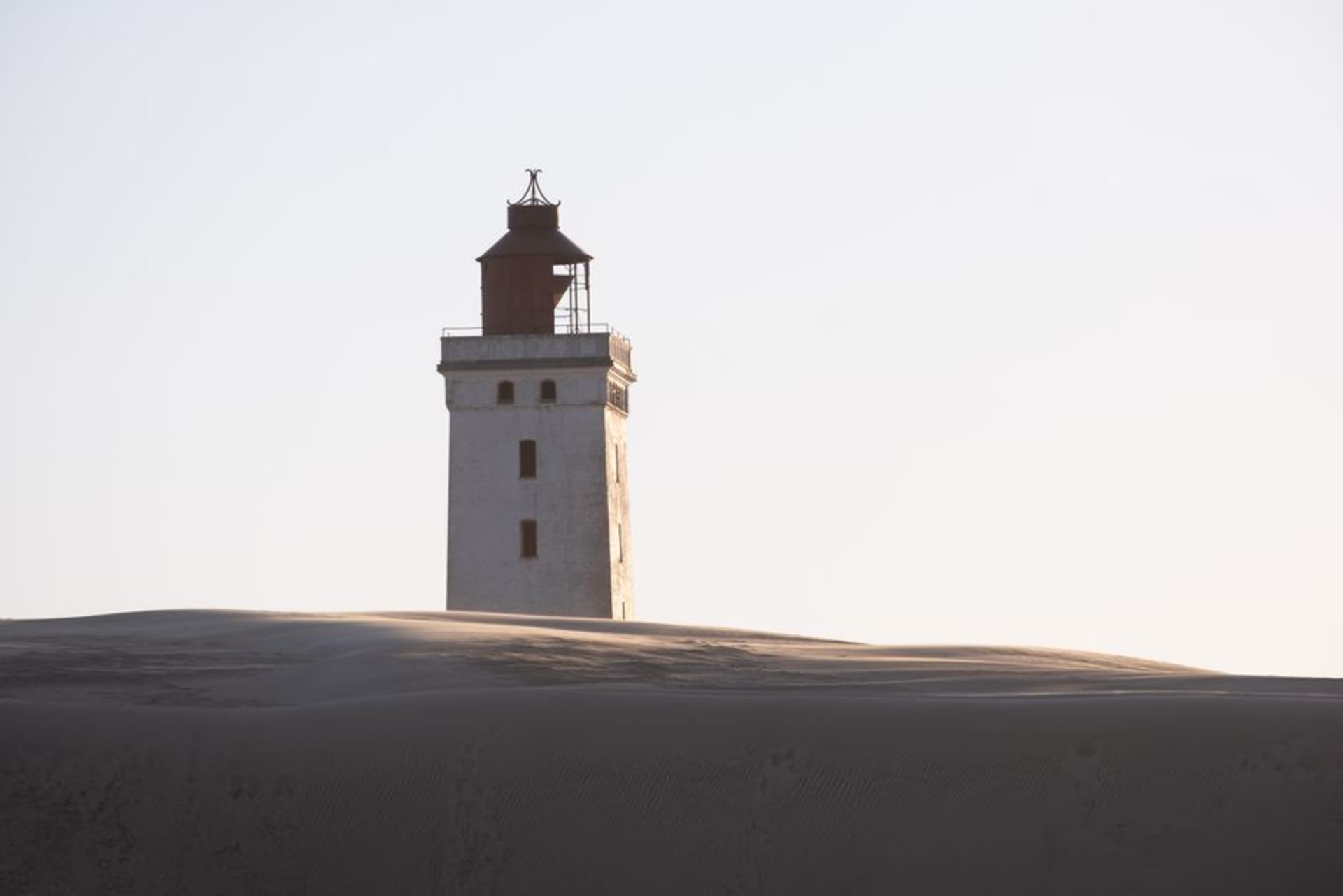
Signilskär
"No trees, no shelter, no argument about who's in charge out here — the wind decides everything."
A wind-scoured lighthouse island off Eckerö where a nineteenth-century pilot station and a working bird observatory sit at the very edge of the archipelago's open sea.
Signilskär announces itself before you land: the trees simply stop, somewhere out on the crossing from Eckerö, and what’s left is bare granite, low grasses bent permanently sideways, and a lighthouse standing in a landscape with nothing left to compete with it for your attention. I took a small boat out from the harbor at Käringsund with a guide who ran the crossing a few times a week in summer, and even on a calm July morning the swell picked up noticeably once we cleared the shelter of Eckerö’s coast — a reminder that this island sits right at the boundary where the archipelago’s protected inner waters give way to the open Baltic.
The pilot station here dates to the nineteenth century, when Signilskär’s exposed position made it a critical waypoint for guiding ships through the northern approach to the archipelago, and the cluster of red-painted buildings around the lighthouse — keeper’s quarters, boathouse, a small chapel — has been preserved largely as it stood when pilots lived here year-round with their families, a genuinely isolated existence that the current caretaker, who showed me around the keeper’s house, described with a kind of amused disbelief that anyone managed it for generations without complaint.
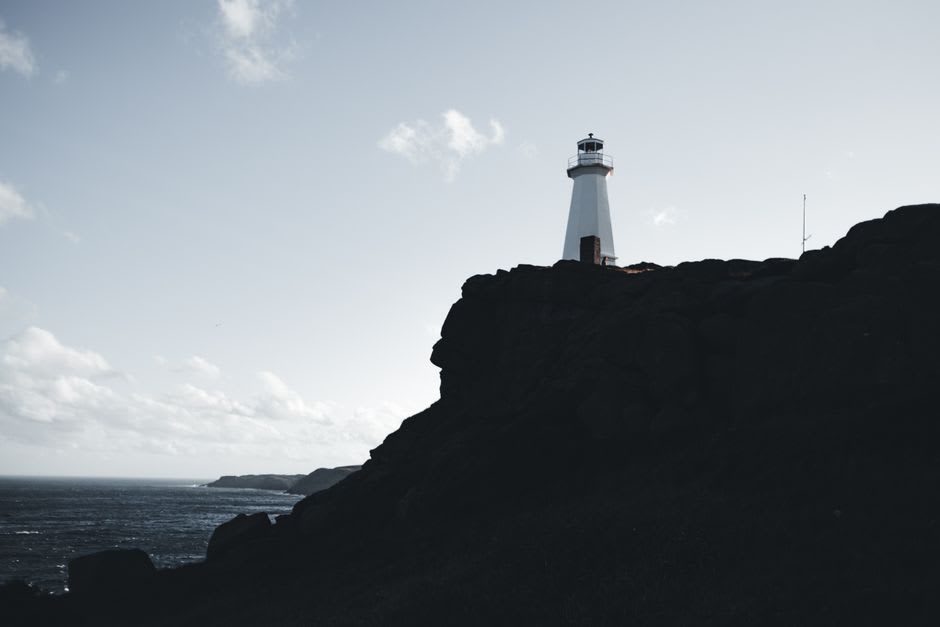
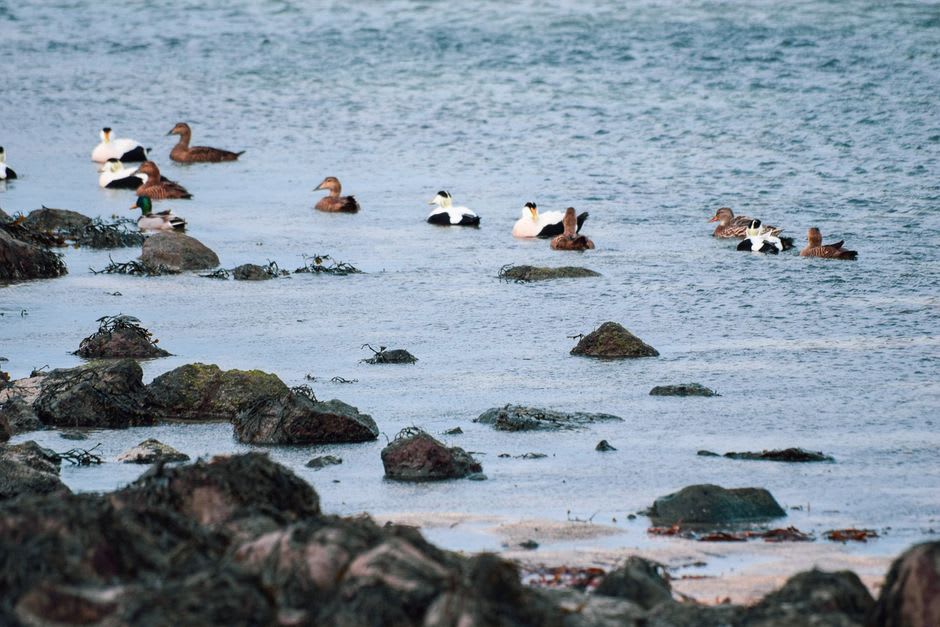
What draws the more dedicated visitors, though, is the bird observatory, one of the important ringing stations in the northern Baltic, where researchers have tracked migration patterns through the archipelago for decades. I arrived slightly out of season for the big migratory pushes, but even in July the island was loud with eiders, terns, and a colony of gulls that made landing on the rocky jetty feel like an event requiring their formal disapproval. The observatory staff, three researchers spending the season in a modest cabin with no real amenities beyond a wood stove and a very good set of binoculars, seemed entirely content with an existence that would drive most people I know to something close to despair within a week.
I stood at the island’s northern tip for a long while before the boat back, looking at nothing but water in every direction that mattered, and felt something close to what I imagine those long-departed lighthouse keepers must have felt on the calm days between storms — a kind of expansive, slightly frightening solitude that the rest of the archipelago, however remote it feels, never quite reaches.
When to go: May and September for the peak bird migration windows, arranged through the observatory or a local boat operator out of Käringsund. July offers the calmest, safest crossings if bird activity matters less to you than simply reaching the island.