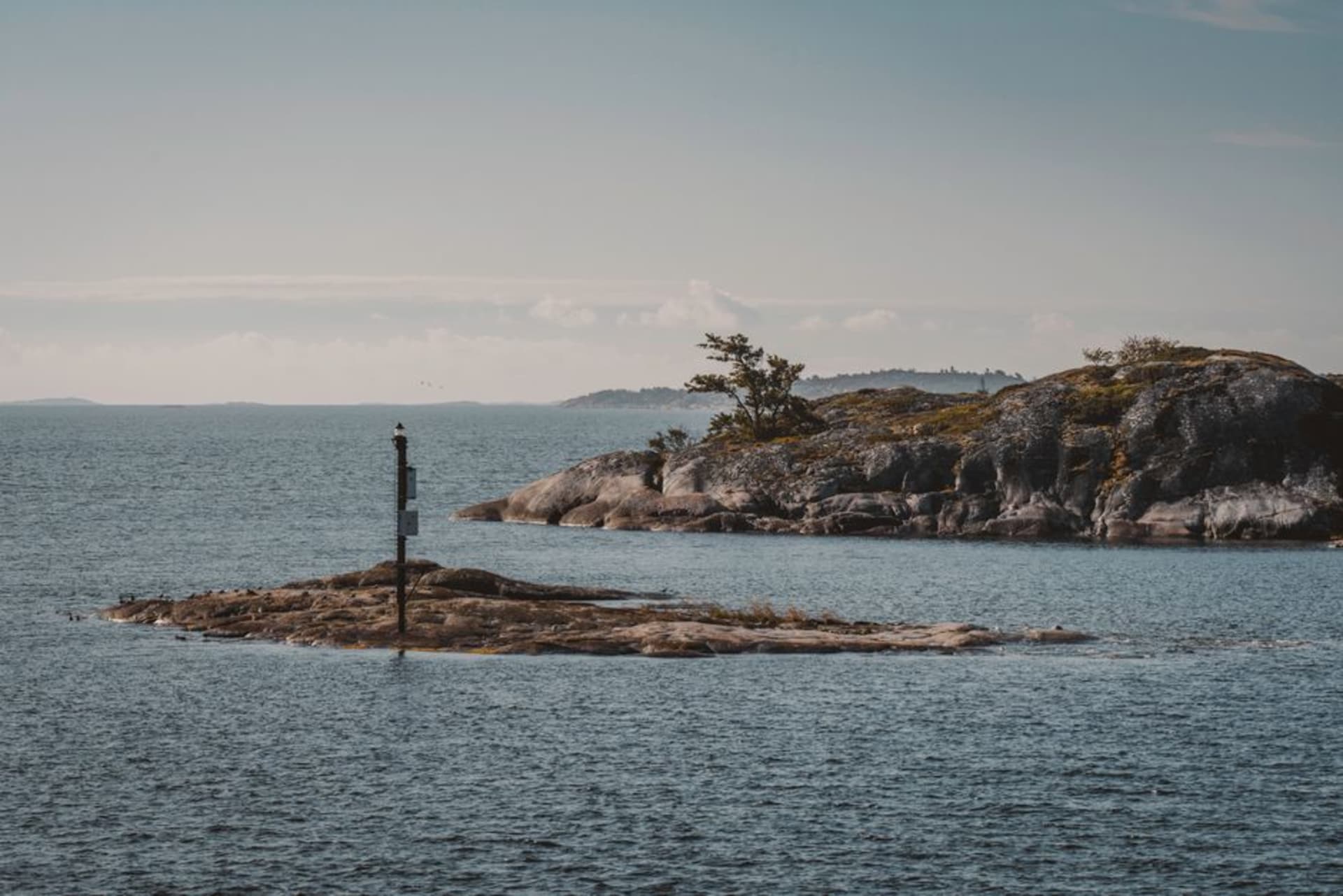
A scattering of granite islands deep in the eastern archipelago, reached by a long ferry chain and rewarded with a medieval church full of unrestored frescoes.
I got to Kumlinge the slow way, which is the only way anyone gets to Kumlinge: three free cable ferries strung end to end across the eastern archipelago, each crossing eating twenty minutes of a Tuesday afternoon while I stood on deck watching islands with no name I would ever learn slide past on both sides. By the time I rolled my bicycle off the last ferry onto Kumlinge proper, I had lost track of how many bodies of water I had crossed, and I understood immediately why so few travelers make it out this far. The distance itself is the filter.
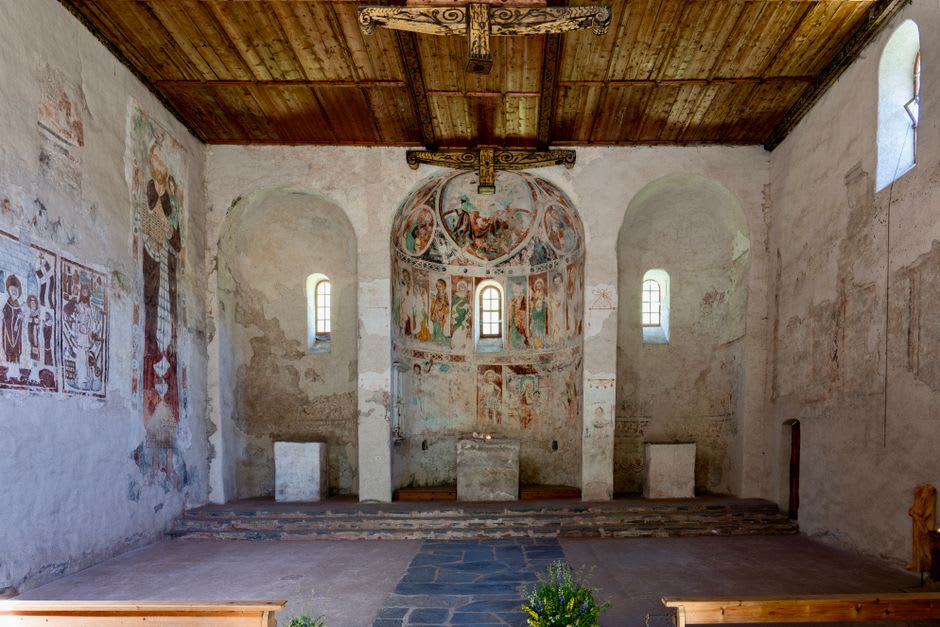
What waits at the end of that filter is a church that stopped me cold. Kumlinge kyrka, dedicated to Saint Anna, holds a set of medieval frescoes on its vaulted ceiling that were never fully restored or repainted the way so many Nordic church interiors were during the nineteenth century — faded ochre saints and a ship being tossed on a painted sea, applied sometime in the 1400s by traveling artists whose names nobody recorded. The caretaker who unlocked the door for me, an older man in rubber boots who’d clearly been interrupted from some outdoor task, stood in the doorway with his arms crossed while I looked up at the ceiling for a solid ten minutes, then said, without much ceremony, that the frescoes had survived because Kumlinge was always too poor and too far away for anyone to bother modernizing the church. Poverty as a preservation strategy — I’ve heard variations of that sentence in a dozen countries since.
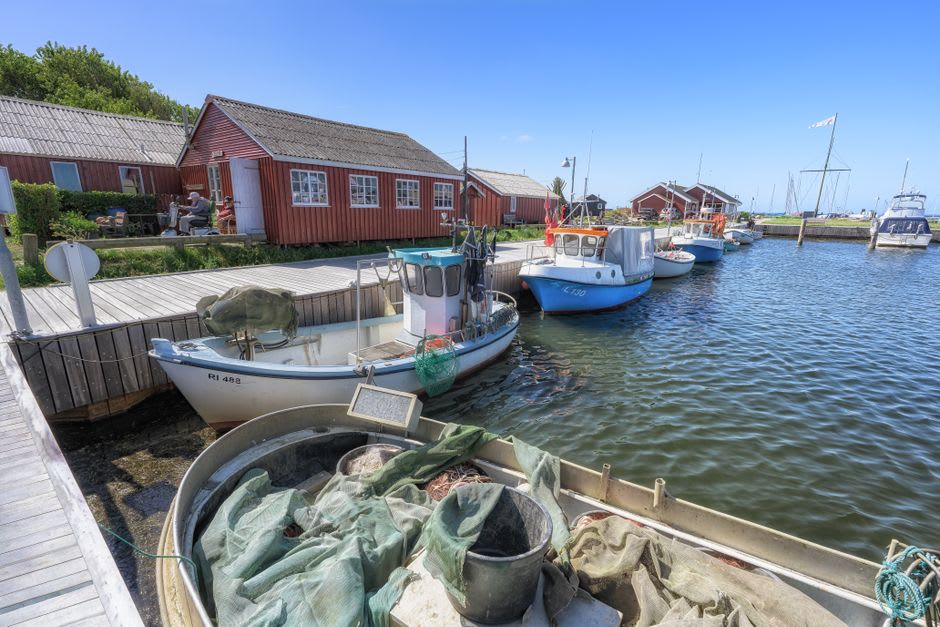
Outside the church, Kumlinge is farms and fishing, a scattering of maybe four hundred people spread across several linked islands, connected to each other by short bridges and to the rest of Åland by a ferry route that runs to Långnäs on one side and out to Brändö on the other. I cycled the main island’s loop road in an afternoon, past hay fields being turned in the June sun and a harbor where two men were repairing herring nets with the unhurried competence of people who have done the same repair every spring of their working lives. There’s a small local museum, Kumlinge Hembygdsmuseum, housed in a cluster of old farm buildings, that documents the seal-hunting economy that sustained these islands for centuries before the ferries and the mainland jobs arrived.
I stayed one night at a small guesthouse near the ferry dock, ate a dinner of Baltic herring and boiled potatoes that the owner’s mother had cooked, and sat outside afterward watching the light stay pale blue until well past eleven. Nobody I met that evening seemed to think there was anything remarkable about where they lived. That, more than the frescoes, is what stayed with me.
When to go: Late May through August, when the cable ferries run their full daytime schedule and the church is reliably open or easy to arrange access to through the local tourist office. Plan your ferry connections before you leave Mariehamn — this is not an island you improvise your way to.