
Brändö
"In Brändö you don't rent a car. You don't even think about a car. You find yourself a boat."
Getting to Brändö requires the kind of commitment to ferry logistics that gradually stops feeling like inconvenience and starts feeling like the point. From Mariehamn there are buses and ferries and more ferries, a chain of connections threading through the northeastern archipelago that takes the better part of a day. I made notes on my phone of the times and got two of them slightly wrong and ended up waiting for ninety minutes on a dock no larger than a parking space while a pair of common seals observed me from a nearby rock with the professional curiosity of marine biologists studying field conditions. Eventually the ferry came. Everything in the outer archipelago eventually comes if you wait for it.
Brändö is not a single island but a municipality of eighty-some islands scattered across the northeastern corner of Åland’s territorial waters, some inhabited year-round, some only in summer, and some just rocks and lichen and the kind of single twisted pine that grows when everything else has given up. The islands are connected by a web of small ferries and short road sections, and navigating between them requires either a local’s intuition or a printed timetable and considerable patience. I had the latter and developed something approaching the former by my third day.
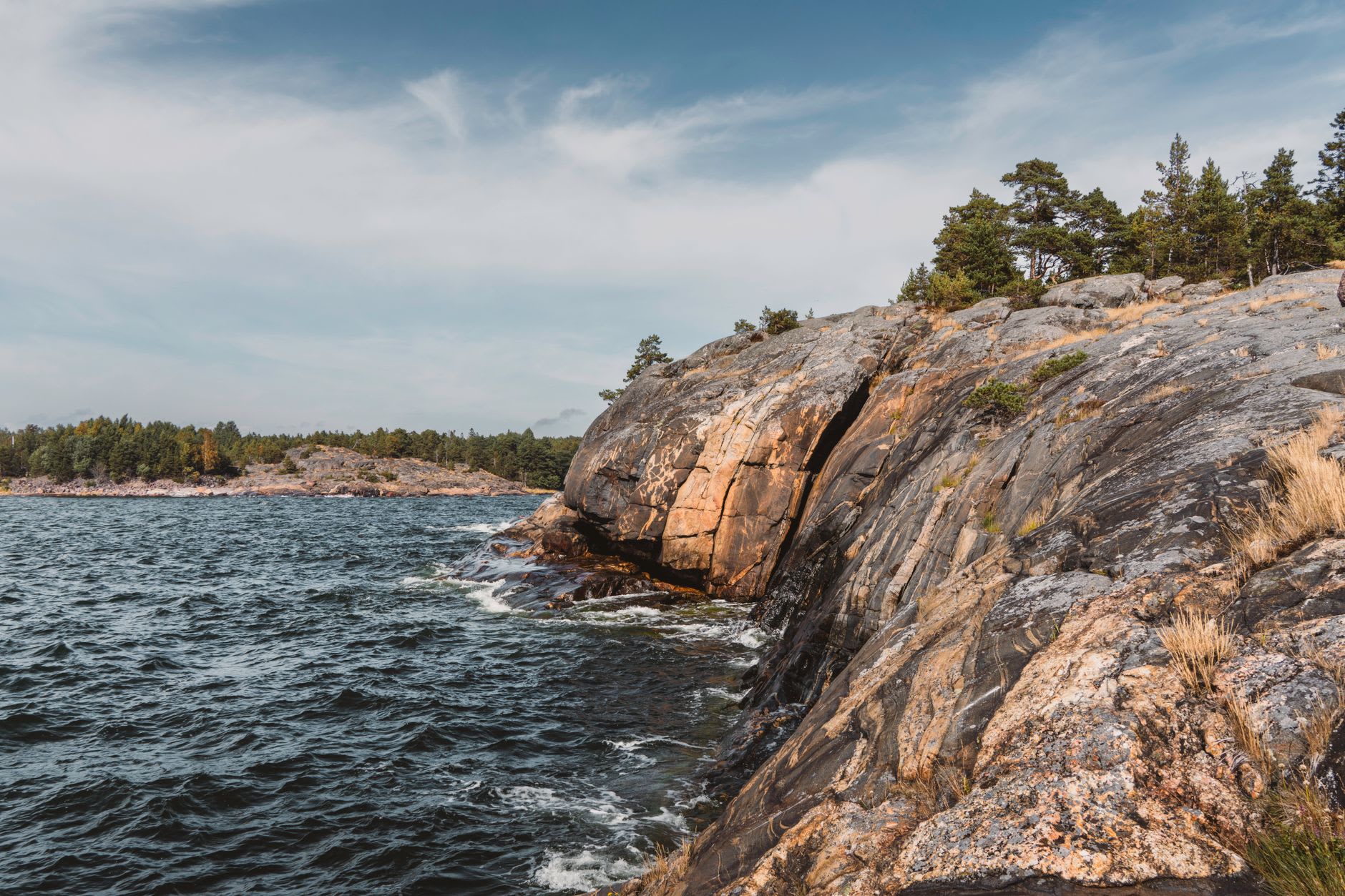
The economy here is boats in a way that goes beyond tourism. Brändö has no real industry, no farms of any scale, nothing to sell to the world except fish and peace, and the local people relate to the water not as scenery but as infrastructure. Boats are parked where cars would be parked elsewhere — tied at private docks outside houses, hauled up on shore rollers, clustered at the small harbors in configurations that speak of daily use rather than summer recreation. In Lappo, the largest village, I watched a retired fisherman spend two hours caulking his wooden motorboat with the meditative focus of someone who has performed this operation perhaps two hundred times and finds it no less necessary for that.
I ate my best meal in Brändö at a table in someone’s garden — a local woman who ran an informal summer kitchen, not quite a restaurant, more a side operation that the neighbors knew about and word had spread among the visiting yacht crowd. She served zander fillet caught that morning, pan-fried with brown butter and capers, alongside new potatoes from the garden still warm from the pot and a salad from whatever was ready in the kitchen garden that day. The whole thing cost so little it felt like a misunderstanding. I left a tip that probably also looked like a misunderstanding from the other direction.
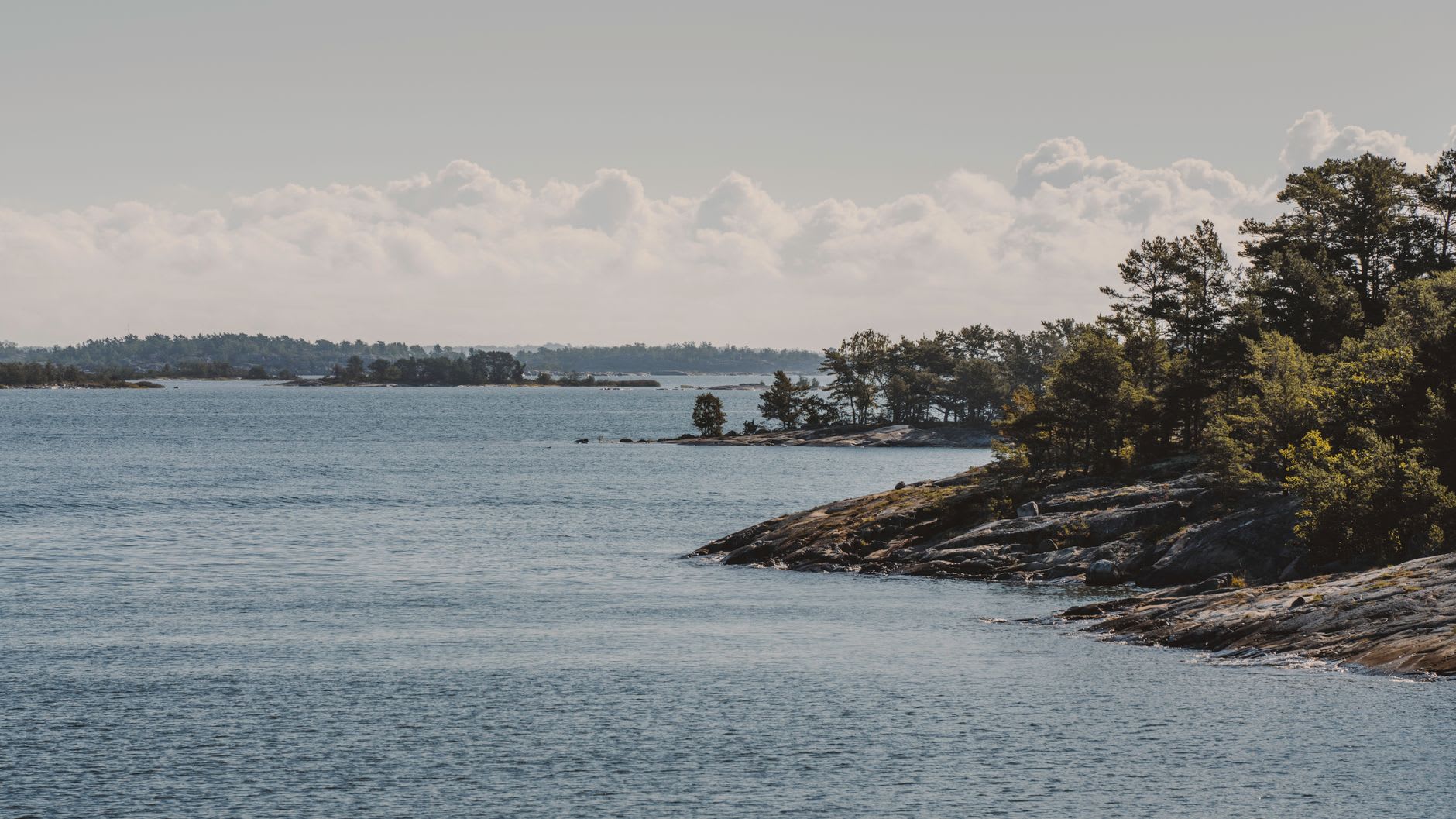
The kayaking through the channels between the outer islands is what I think about most when I think about Brändö. I rented a sea kayak for two days and paddled the passages east of Lappo, camping one night on an uninhabited island that appeared on my map as no more than an oblong marking. The rock was warm from the day’s sun. The only sounds were eider ducks and, around midnight, something larger moving through the water that I never identified. The northern sky that night was a deep purple blue, still not fully dark, and the stars were just beginning to become visible at the horizon.
When to go: June and July for the longest light and the best paddling conditions — the inner channels are sheltered and warm, and the outer passages calm in the long summer anticyclones. The ferry connections to Brändö are more frequent in summer; outside peak season they reduce to twice daily and require advance planning. Serious birdwatchers target the outer skerries in May.