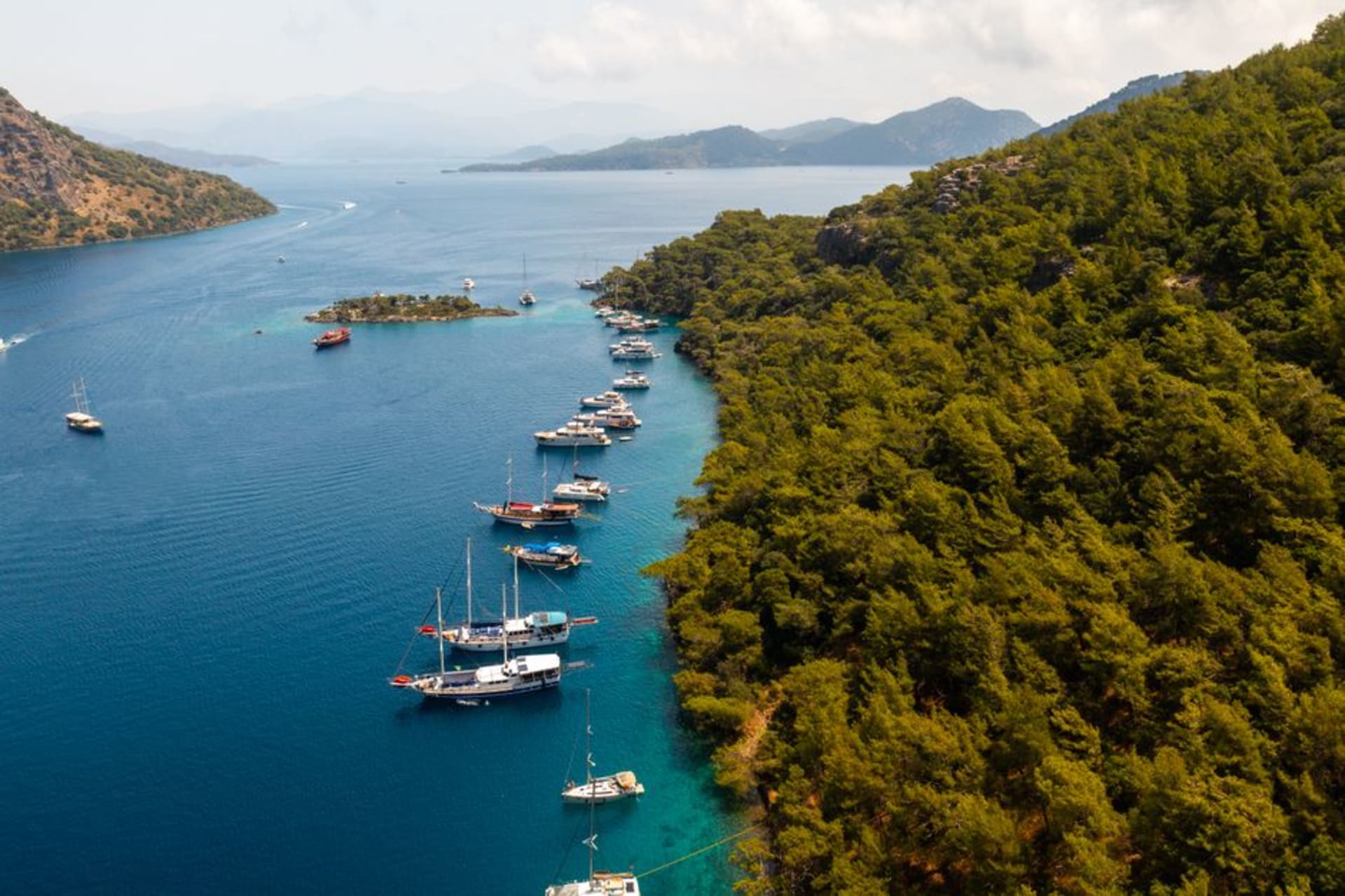
Sedir Island
"Legend says Cleopatra had this sand shipped from Egypt. Geologists disagree. I know which story I prefer."
A tiny island in Gökova Bay with a strange, protected beach of round quartz-sand grains, legend insisting Cleopatra ordered it shipped in from Egypt to charm Mark Antony.
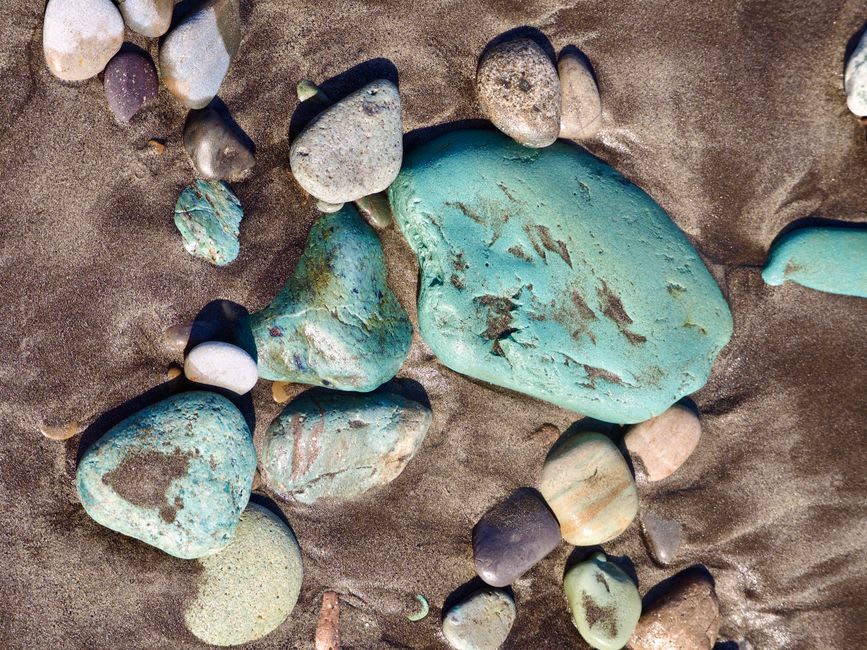
Sedir Island — better known by its tourist name, Cleopatra Island — sits inside the long, sheltered arm of Gökova Bay, reachable only by boat from the small harbors nearby, and the entire island is a protected national monument specifically because of a beach that looks, on close inspection, wrong. The sand isn’t sand in the usual sense; it’s made of round, pea-sized grains of pure quartz, uniform and smooth in a way that feels almost manufactured, and it is found nowhere else on this stretch of coast.
The legend, which every boat guide tells with a completely straight face, holds that Cleopatra requested this exact beach be built for her visit to Mark Antony, who ruled the region at the time, and had sand shipped over from Egypt specifically because she found the local Aegean sand unworthy of her feet. Geologists have quietly pointed out that the mineral composition doesn’t actually match Egyptian sand and more likely formed naturally from a nearby quartz deposit, which is a shame scientifically and doesn’t change the fact that the beach is roped off, closely guarded by rangers, and you are absolutely not permitted to take a single grain home — a rule enforced, I watched it happen, on a fellow tourist who tried to pocket a handful.
Above the beach, a hillside path climbs through pine and cypress to the ruins of ancient Kedrai, a small city that gave the island its Turkish name — sedir means cedar, though the trees that remain now are mostly pine. A small theater with about a dozen surviving rows sits half-swallowed by undergrowth, and the walk up rewards you with a view back down over the beach and across the entire bay, gulets scattered on water so still it looked, from that height, almost solid.
I came out on a day-boat from Akyaka, which stopped at two other coves before landing here, and found that the approach by water — the bay narrowing, the island appearing suddenly green and low against the hills — did more to sell the Cleopatra story than the beach itself ultimately did. Some legends work better as approach than as destination.
When to go: Weekday mornings, before the day-boats from Marmaris and Bodrum arrive in numbers. The island closes to visitors in the off-season, so check with a boat operator in Akyaka or Gökova before planning a trip outside summer.
Keep exploring
More from Aegean Coast
 aegean-coast-turkey
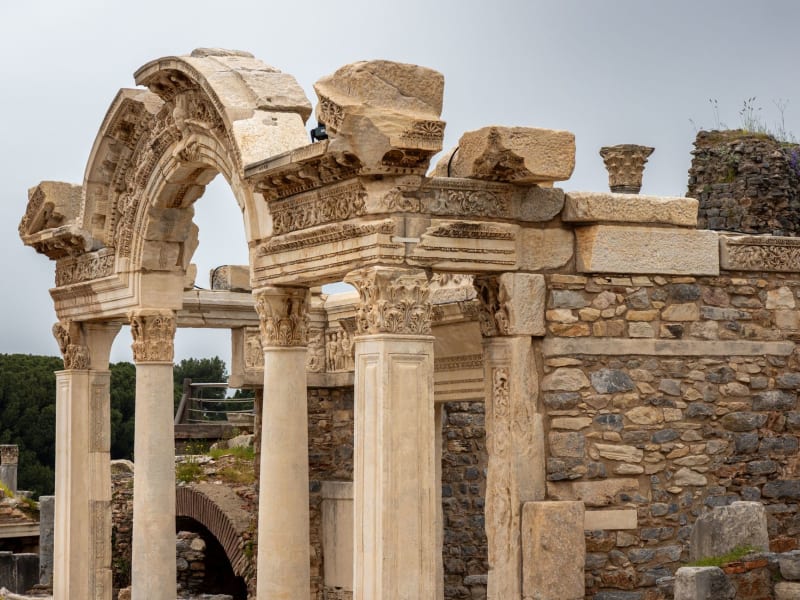
 Selçuk
The quiet town at Ephesus's gateway, where storks nest on Byzantine columns and a Tuesday market is better than most museums.
Explore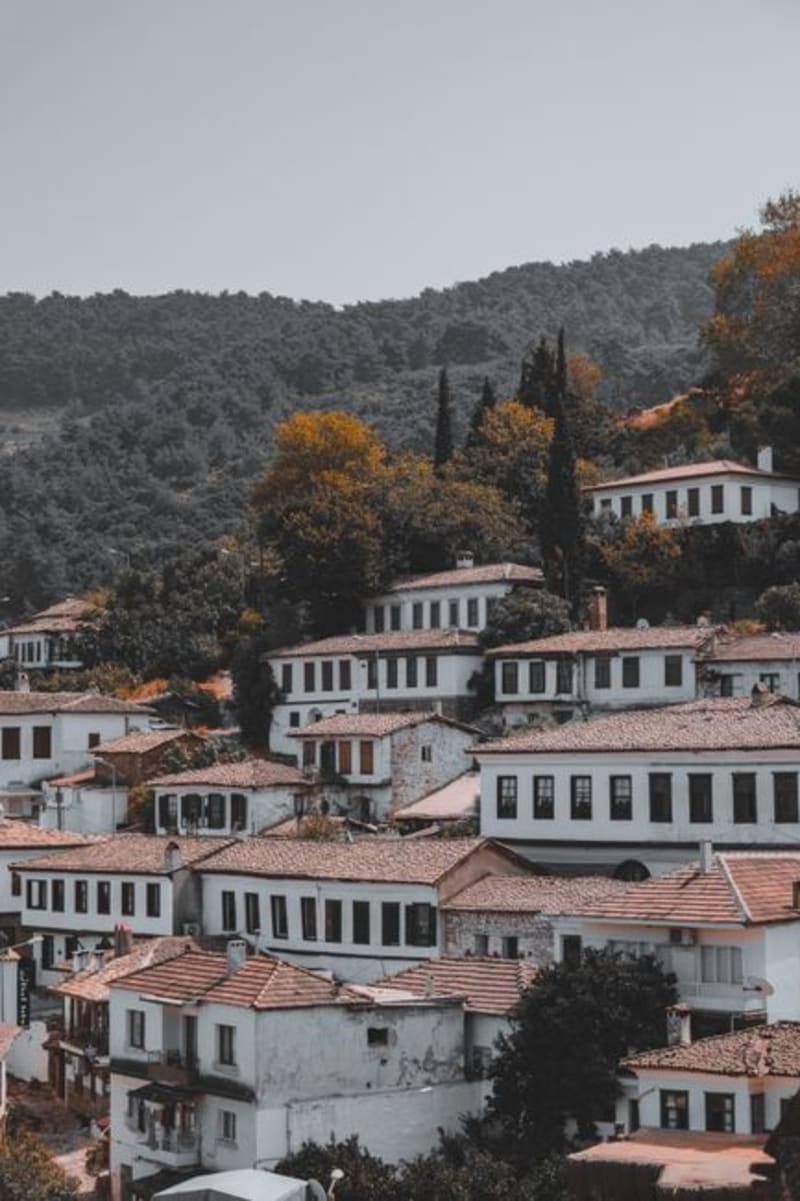 aegean-coast-turkey
 Şirince
A hillside village of stone Greek houses and vineyard terraces, built by Ottoman Greeks who supposedly named it 'Ugly' on purpose to keep outsiders away — it did not work.
Explore aegean-coast-turkey
 Akyaka
A slow-architecture village at the head of Gökova Bay where a spring-fed river runs cold through the reeds and nobody seems to be in any particular hurry.
Explore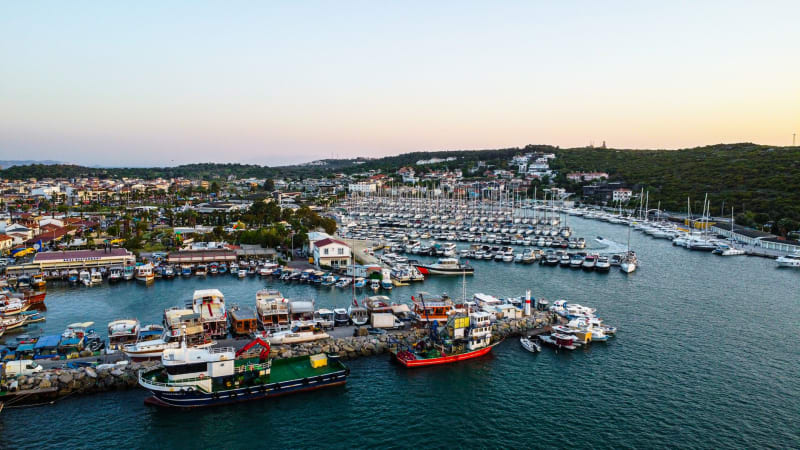 aegean-coast-turkey
 Alaçatı
A stone Ottoman village turned windsurfers' mecca — ancient windmills on the ridge, bougainvillea in the streets, and the most elaborate breakfast table in Turkey.
Explore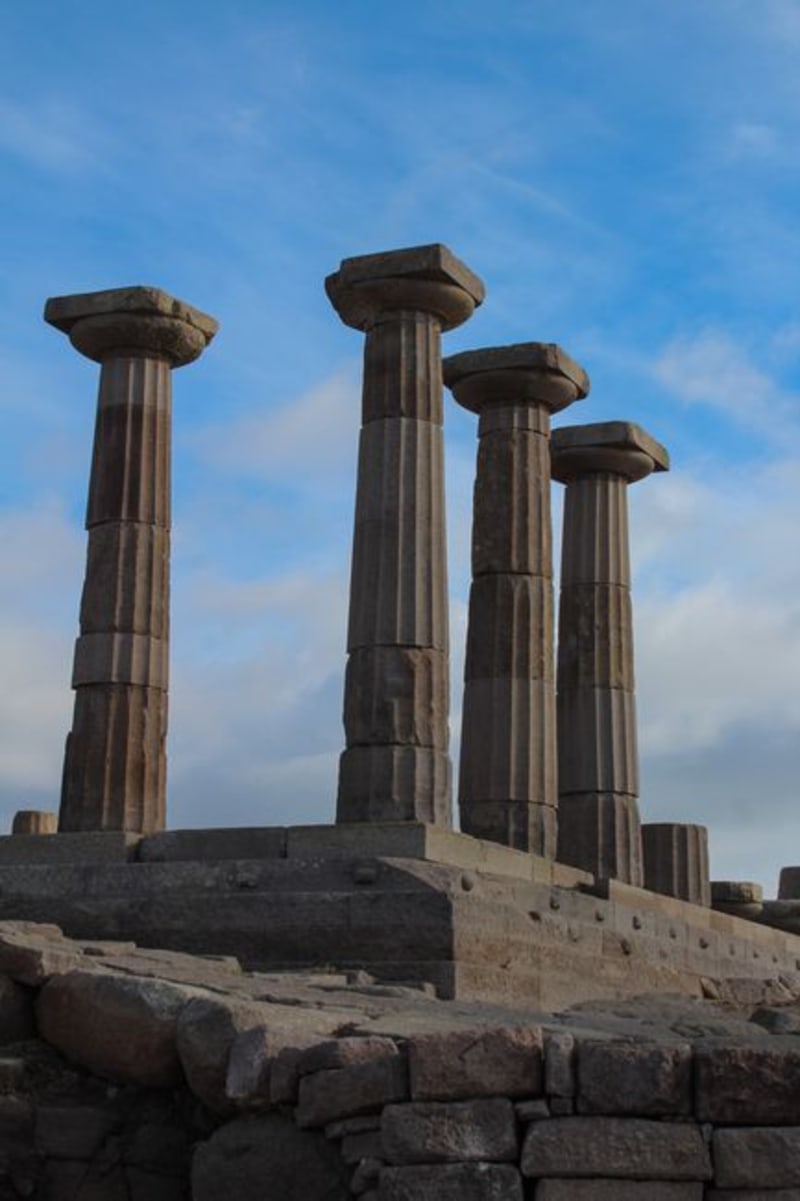 aegean-coast-turkey
 Assos
A basalt harbor village beneath a cliff-top Temple of Athena where Aristotle once ran a school, close enough to the Greek island of Lesbos to watch its lights come on at dusk.
Explore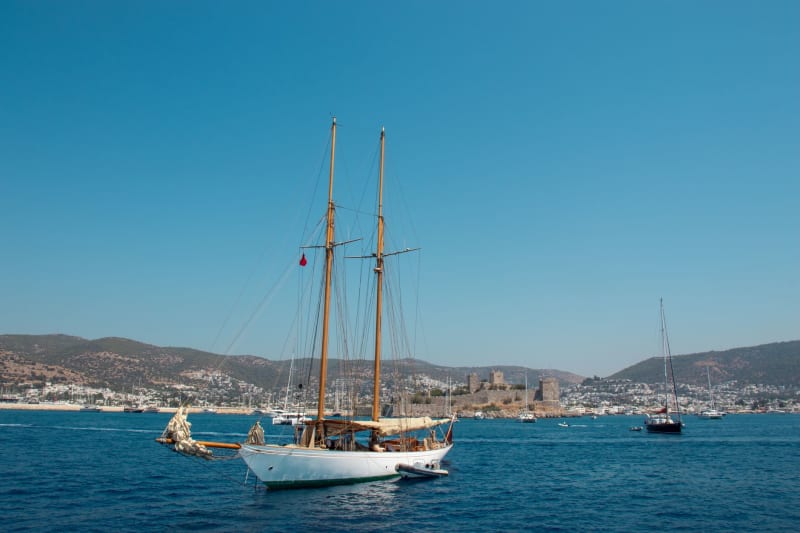 aegean-coast-turkey
 Bodrum
A harbor city where a Byzantine castle and gulet-builders' workshops coexist cheerfully with one of Turkey's most relentless nightlife scenes.
Explore