Cusco at 3,400 Metres — Learning to Breathe in the Navel of the World
The Arrival
The flight from Lima takes an hour and covers a vertical distance that your body will spend days negotiating. I stepped off the plane in Cusco and felt fine — the airport is modern, the taxi was waiting, the hotel had my reservation. The altitude announced itself twenty minutes later, when I climbed the stairs to my room on the second floor and arrived at the top breathing as if I had sprinted a mile. Two flights of stairs. My bag weighed twelve kilos. I sat on the bed and drank the coca tea the receptionist had pressed into my hands with the practiced urgency of someone who has watched this scene play out a thousand times, and I understood my first lesson about Cusco: the city does not care about your fitness level, your sea-level endurance, or your plans. It sits at 3,400 metres and it will teach you what that means on its own schedule.
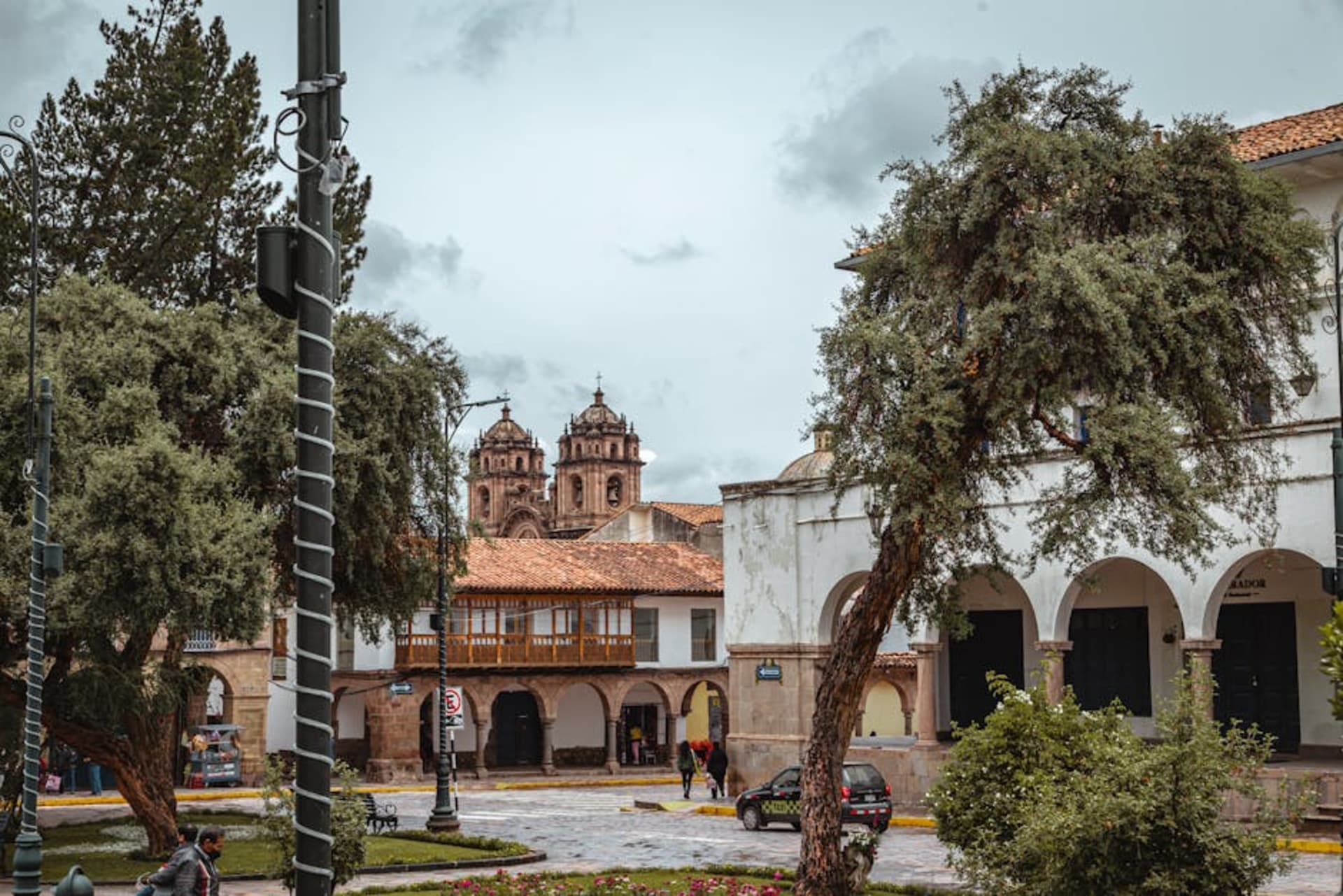
The coca tea helped, or I believed it helped, which may be the same thing. I lay on the bed for an hour, then walked slowly to the Plaza de Armas, which was three blocks away and took fifteen minutes because I stopped twice to catch a breath that kept escaping. The plaza was beautiful — the cathedral, the Jesuit church, the arched colonnades, the mountains visible above the rooftops in every direction — but I experienced it through a gauze of mild nausea and a headache that pulsed behind my eyes like a metronome set to the tempo of my hubris. I had skipped the Sacred Valley. I had come straight from sea level. I had, in the language of experienced Andean travellers, made a classic error.
The Adjustment
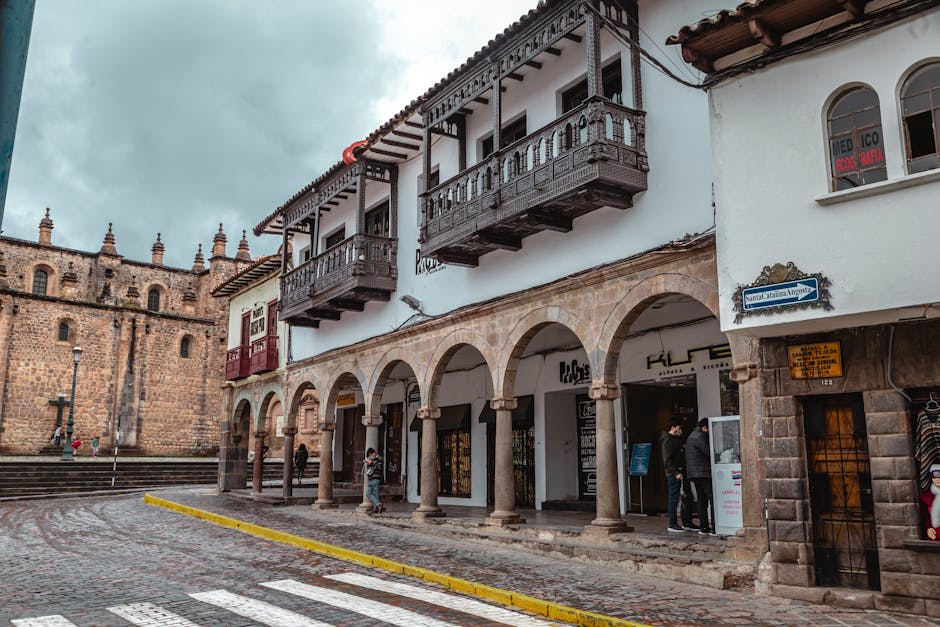
Day two was worse. This is the pattern — altitude sickness often peaks on the second day, a fact that guidebooks mention and that feels like a personal betrayal when you are living it. I spent the morning in bed, drinking water and coca tea in alternation, my head throbbing with a persistence that ibuprofen could dull but not silence. By afternoon, something shifted. The headache receded to a background hum. I walked to the San Blas neighbourhood, climbing the steep cobblestone streets slowly, stopping at every bench, and reached a viewpoint where Cusco lay below in a sea of terracotta rooftops and church towers, the mountains beyond still catching snow, and the beauty was so intense it felt medicinal.
The trick, I learned, is surrender. You cannot power through altitude. You cannot will your red blood cells to multiply faster. You can only slow down, breathe deliberately, eat lightly, drink water until you are tired of water, and accept that the city will reveal itself at a pace that your lowland body does not get to set. By day three, the headache was gone. By day four, I was climbing to Sacsayhuaman without stopping, and the thin air had become not an obstacle but a quality — a clarity, a sharpness, a way of making colours more vivid and shadows more defined and sunsets more dramatic than anything at sea level deserves.
The Stones
What Cusco does to you, once you can breathe, is teach you about time. The Inca walls are everywhere — not in museums, not behind ropes, but forming the foundations of the buildings you walk past, eat in, sleep above. The famous twelve-angled stone on Hatunrumiyoc street draws crowds who photograph it and move on, but the real education is running your fingers along any Inca wall in the old city and feeling the joins — the way the stones fit together without mortar, each one shaped to interlock with its neighbours with a precision that modern masons acknowledge they cannot replicate. The Spanish built on top. The earthquakes that toppled the colonial additions left the Inca foundations standing. The lesson is not subtle.
Sacsayhuaman is the exclamation point. The massive stones — some weighing over a hundred tonnes — are fitted together at the top of the hill above Cusco with an interlocking precision that has resisted five centuries of earthquakes and colonial quarrying. I walked along the walls at sunset, the zigzag ramparts casting shadows that made the stones look even larger than they are, and a local man sitting on the grass told me that his grandmother believed the stones were placed by giants. I looked at the stones and understood her reasoning.
The Market
San Pedro Market is where Cusco stops being a museum and becomes a city. I went every morning, partly because the lomo saltado at a stall near the east entrance was the best three-dollar breakfast I have ever eaten, and partly because the market is a daily performance that never repeats exactly. The juice stalls serve blends of fruits I had never encountered — lucuma, chirimoya, aguaymanto — in glasses the size of small vases, for prices that would not buy a bottle of water at the airport. The women running the stalls remember you by day two, and by day three they are recommending combinations and judging your choices with a directness that is either warmth or commerce and is probably both.
The cheese aisle runs the length of the building and sells varieties that range from the familiar to the deeply unfamiliar. The herb section smells of things that are neither food nor medicine but exist in the space between, where Andean tradition has been operating for thousands of years without asking for scientific validation. I bought a bundle of muña — an Andean mint — because a woman told me it would settle my stomach, and it did, or I believed it did, and at altitude the distinction collapses.
The cuy vendors sit near the back, whole guinea pigs splayed on grills, their small faces frozen in expressions that range from indignation to acceptance. I ate one on my fourth day. It tasted like rabbit — leaner, crispier, with a flavour that was honest in the way that meat from small animals always is: you cannot pretend this was not recently alive, and the directness of the experience is its own kind of respect.
What Altitude Teaches You
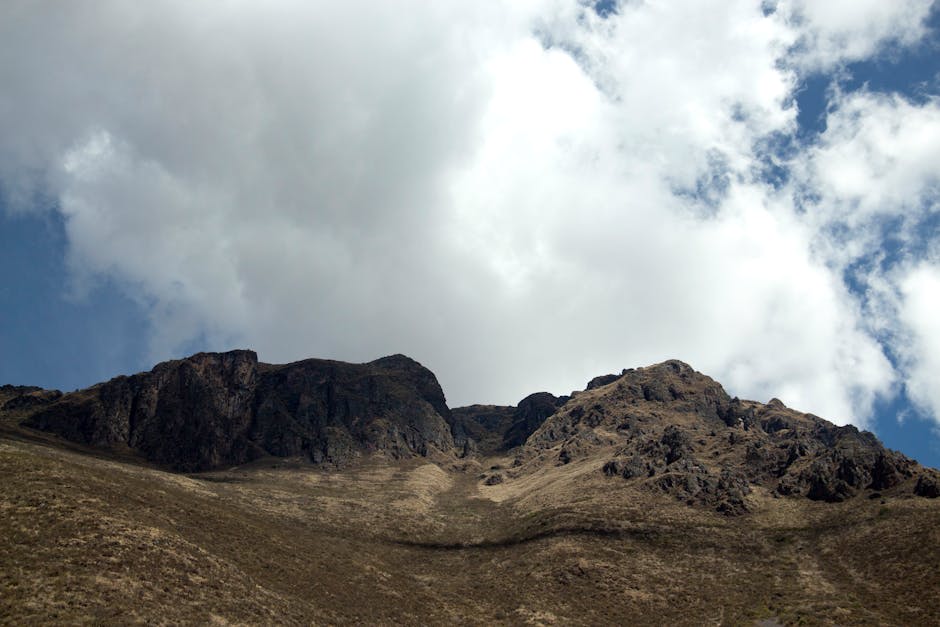
I have been to high places before — the volcanos around Mexico City, the Atlas Mountains in Morocco — but Cusco was the first place where altitude became not just a physical fact but a lens through which I experienced everything. The thin air sharpens perception in ways I did not expect. Colours are more vivid because the atmosphere is thinner — there is less air between you and whatever you are looking at, and the light arrives with less diffusion, less softening, less of the atmospheric haze that makes sea-level landscapes look painted and high-altitude ones look etched. The blue of the sky above Cusco is a blue that does not exist at lower elevations. It is the blue of less atmosphere, of proximity to space, of air that has given up most of its moisture and its capacity for subtlety.
The people of Cusco live in this air every day and have built a culture calibrated to it. The coca leaf is not a recreational drug here; it is a technology — a way of managing altitude that predates pharmacology by millennia. The food is hearty because the body burns more calories at elevation. The pace is slow because the air demands it. Even the festivals — Inti Raymi, Corpus Christi, the processions that fill the Plaza de Armas with colour and music and the smell of incense — move at a tempo that accommodates the altitude, that leaves room for breath between the drumbeats.
I left Cusco after five days, headed for the Sacred Valley and then Machu Picchu, and the descent was as physiologically dramatic as the arrival. At 2,800 metres in Ollantaytambo, I could breathe fully for the first time in days, and the relief was so physical it felt emotional — a lightness, a capacity, a return of the breath that Cusco had rationed. But I missed the sharpness. I missed the colours. I missed the way the thin air made everything feel simultaneously more difficult and more beautiful, as if the altitude were charging admission and the price was your comfort and the show was worth every gasping step.
Cusco is not a gateway to Machu Picchu. It is a destination that uses altitude as a filter — slowing you down, sharpening your attention, stripping away the impatience that sea-level living installs in you. The city asks for surrender, and in exchange, it offers stonework that has outlasted every empire that tried to claim it, food that nourishes with a directness the modern world has largely lost, and a sky so blue it makes you suspect that everything you saw before was approximate. The navel of the world, the Incas called it. After five days at 3,400 metres, I understood the name was not metaphor. It was geography.
Voyagez avec intention
Guides sélectionnés, destinations paisibles et récits qui valent la peine d'être lus — envoyés quand nous avons quelque chose qui mérite d'être partagé.
Pas de spam. Désabonnement à tout moment.