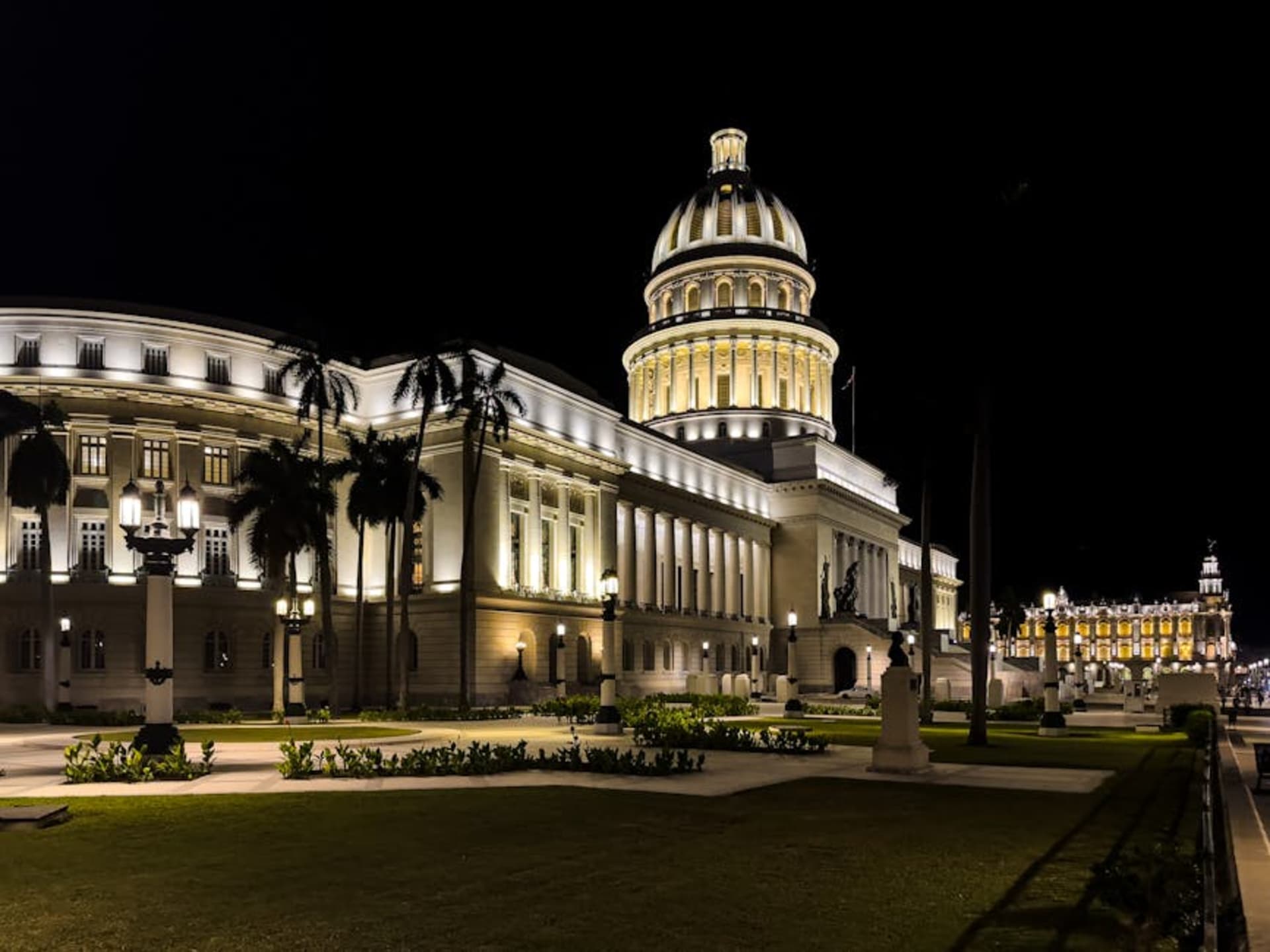
Havana After Dark — Music, Rum, and the Malecon at Midnight
The City That Does Not Sleep Because It Cannot Afford To
Havana at night is a different city. Not metaphorically — literally. The buildings that look crumbling and melancholic in the midday sun become something else entirely when the light drops and the music starts. The facades glow in amber streetlight, the open doorways spill warm yellow rectangles onto the sidewalk, and the sounds — a trumpet here, a conga drum there, someone singing from a third-floor balcony — layer into a soundtrack that no recording could replicate because it comes from everywhere at once.
I had been in Havana for three days before I understood the night. During the day, I had done the tourist circuit — the plazas, the Capitolio, the vintage car ride along the Malecon that I am slightly embarrassed to admit I enjoyed enormously. But a bartender at a paladar in Vedado told me I had not seen the real city yet. “Come back at ten,” he said. “The real Havana starts at ten.”
He was underselling it. The real Havana starts at ten and does not stop until the sun comes up.
The Fabrica de Arte Cubano
The Fabrica de Arte Cubano — FAC — is housed in a converted cooking-oil factory in Vedado, and it is the single best nightlife venue I have visited anywhere. I do not say this lightly. I have been to Berghain, to warehouse parties in Mexico City, to jazz clubs in New York. The FAC is better, because it is not just one thing.
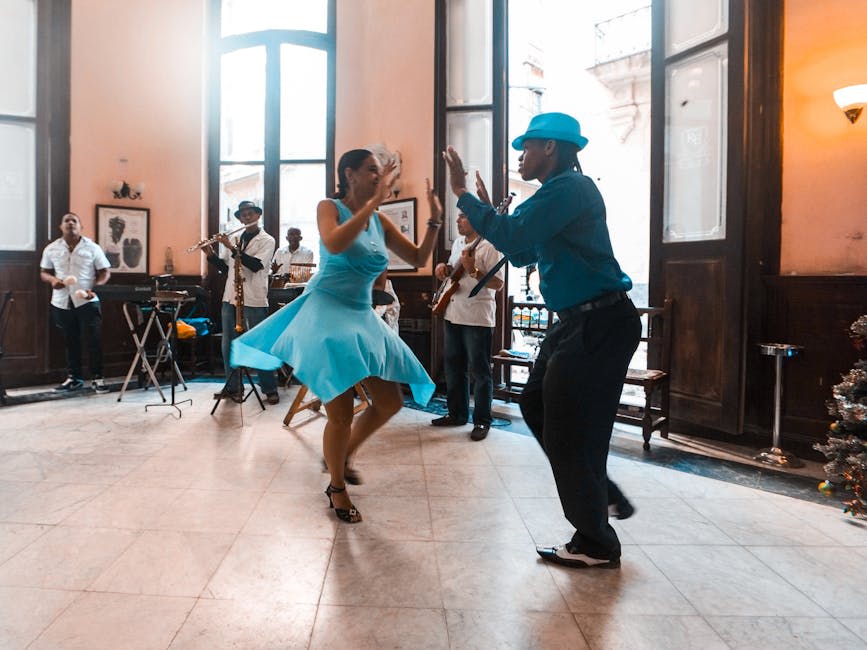
You walk through galleries of contemporary Cuban art — paintings, installations, photography — into a room where a jazz quartet is playing. Through another door, a DJ is spinning electronic music on a terrace overlooking the river. Upstairs, a film screening. Downstairs, a bar serving cocktails made with rum that costs the equivalent of two dollars. The crowd is a mix of Cuban artists, diplomats, tourists who know, and Habaneros on a night out. The dress code is whatever you have. The energy is impossible to manufacture.
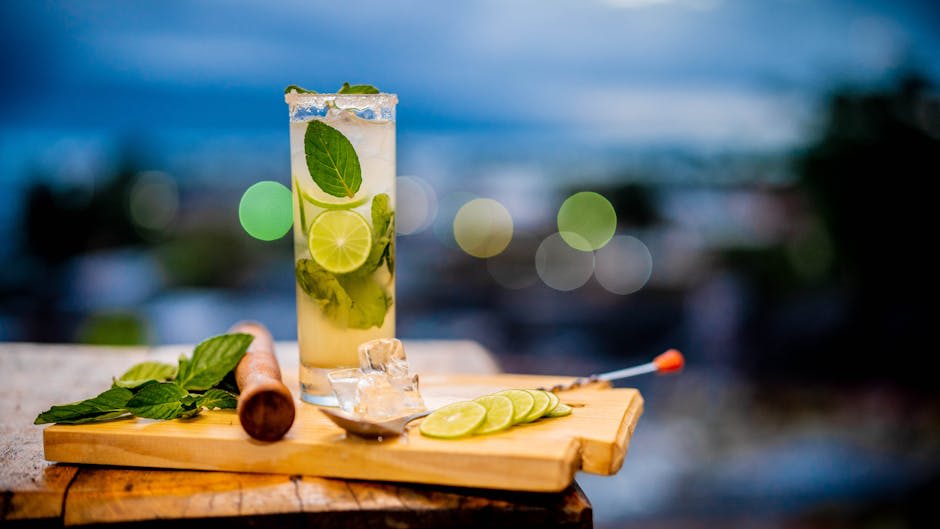
I stayed until 3am and left only because I was losing the ability to form sentences in Spanish, which had been deteriorating since the third daiquiri. The cover charge was two dollars. The experience was worth a plane ticket.
A Rumba Circle in Centro Habana
The following night, I went looking for rumba. Not the tourist version — the real thing, the Afro-Cuban ceremonial rhythm that predates everything Cuba is musically famous for. A friend of a friend had told me about a solar (a communal courtyard) in Centro Habana where a rumba circle forms on Saturday nights.
I found it by sound. Three blocks away, the drums were already audible — the low thud of the tumbadora, the sharp crack of the quinto, the wooden claves holding everything together. The courtyard was small, maybe thirty people, most of them from the neighborhood. The dancers moved in the center — the Columbia style, athletic and precise, the men challenging each other with increasingly complex footwork while the drummers matched every gesture.
Nobody asked me to dance. Nobody needed to. The rumba is not a spectator sport — the circle draws you in through rhythm, through the call-and-response singing, through the simple fact that standing still while this music plays requires more effort than moving. I clapped. I sang the response lines I had learned phonetically. A woman handed me a plastic cup of rum and said something I did not catch but understood completely.
This is what Havana nightlife is, underneath the tourist bars and the Buena Vista Social Club nostalgia. It is communal, spontaneous, rooted in traditions that survived slavery and colonialism and revolution because they are too essential to the culture’s identity to be suppressed.
The Malecon at Midnight
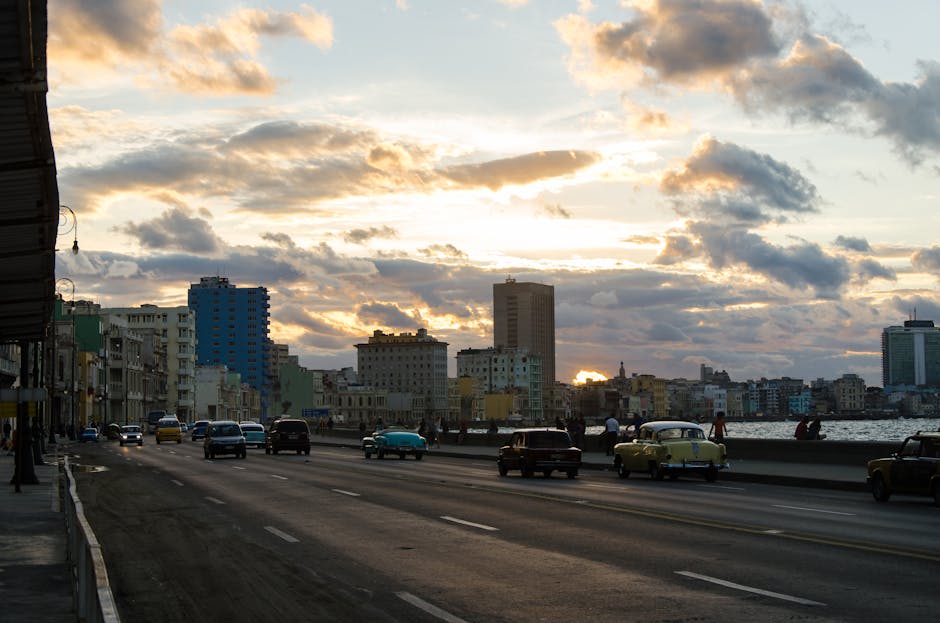
After the rumba, I walked to the Malecon. At midnight, the seawall is Havana’s second living room — the first being the one in your casa particular, where your host is probably still awake, watching a telenovela and waiting to make sure you got home safely.
The Malecon at this hour belongs to young Habaneros. Couples sit on the wall, legs dangling over the water. Groups of friends share bottles of Havana Club. A guitarist plays for a small audience that may or may not be paying attention. The waves crash against the rocks below and occasionally send spray over the wall, which everyone acknowledges with a laugh and nobody moves to avoid.
I sat on the wall for an hour. The colonial facades of Habana Vieja were lit behind me. The dark water stretched north. A man next to me offered a cigarette and asked where I was from. “France,” I said. “Ah, Zidane,” he said, and we talked about football for twenty minutes in a mixture of Spanish and gestures. This is the Malecon’s gift — it reduces conversation to its essentials. Where are you from. What do you love. What brings you here.
What Havana Taught Me About Nightlife
I have lived in Mexico City for four years, a city with nightlife that is justifiably famous. But Havana taught me something different. The best nights out are not about the venue or the DJ or the cocktail list. They are about the absence of barriers between people, between the music and the listener, between the street and the interior. Havana’s nightlife works because the city has never had the money to build the walls that separate performer from audience, VIP from general admission, inside from outside.
The music spills out of doorways because the doors do not close properly. The rum is shared because nobody has enough to hoard. The Malecon is the best bar in the city because it is free and open to everyone. There is a lesson in this that has nothing to do with poverty and everything to do with what nightlife is actually for — which is the same thing it has always been for, since humans first gathered around a fire with a drum and a drink: connection.
I flew back to Mexico City the next morning. The plane was full of tourists clutching cigars and rum bottles. I had both, but what I was carrying that felt heaviest was the sound of that rumba circle — the quinto drum answering the dancer’s feet, the chorus singing a melody that was old before the revolution, the plastic cup of rum in my hand, and the feeling that I had, for a few hours, been part of something that did not require my participation to exist but was generous enough to include it.
Voyagez avec intention
Guides sélectionnés, destinations paisibles et récits qui valent la peine d'être lus — envoyés quand nous avons quelque chose qui mérite d'être partagé.
Pas de spam. Désabonnement à tout moment.