
Oaxaca — The Mezcal Trail and Everything Around It
A Place I Keep Coming Back To
I have lived in Mexico for four years now, and Oaxaca is the place I return to most often. Not out of obligation — I have no apartment there, no standing reservation. I go because every visit recalibrates something. The food is that good. The mezcal is that interesting. The light over the valley in the morning, seen from a rooftop with a cup of chocolate de agua in hand, is that particular shade of gold that makes you briefly consider abandoning all your plans and staying.
Oaxaca is having its moment. You have seen the Instagram posts — the colorful streets, the smoke rising from a clay copita, the textiles. The hype is, for once, entirely earned. But the version of Oaxaca that most visitors experience — the one concentrated within six blocks of the zócalo, hitting the same three mezcal bars and the same molé tasting — is a surface reading of a deeply complex place. Here is how to go deeper.
Where to Stay
Hotel Sin Nombre is my first recommendation. It is small — fewer than ten rooms — and set in a restored colonial house in the Jalatlaco neighborhood, which is quieter and more residential than the centro. The design is spare and beautiful: raw plaster walls, local ceramics, a courtyard with bougainvillea. No sign on the door. You have to know it is there.
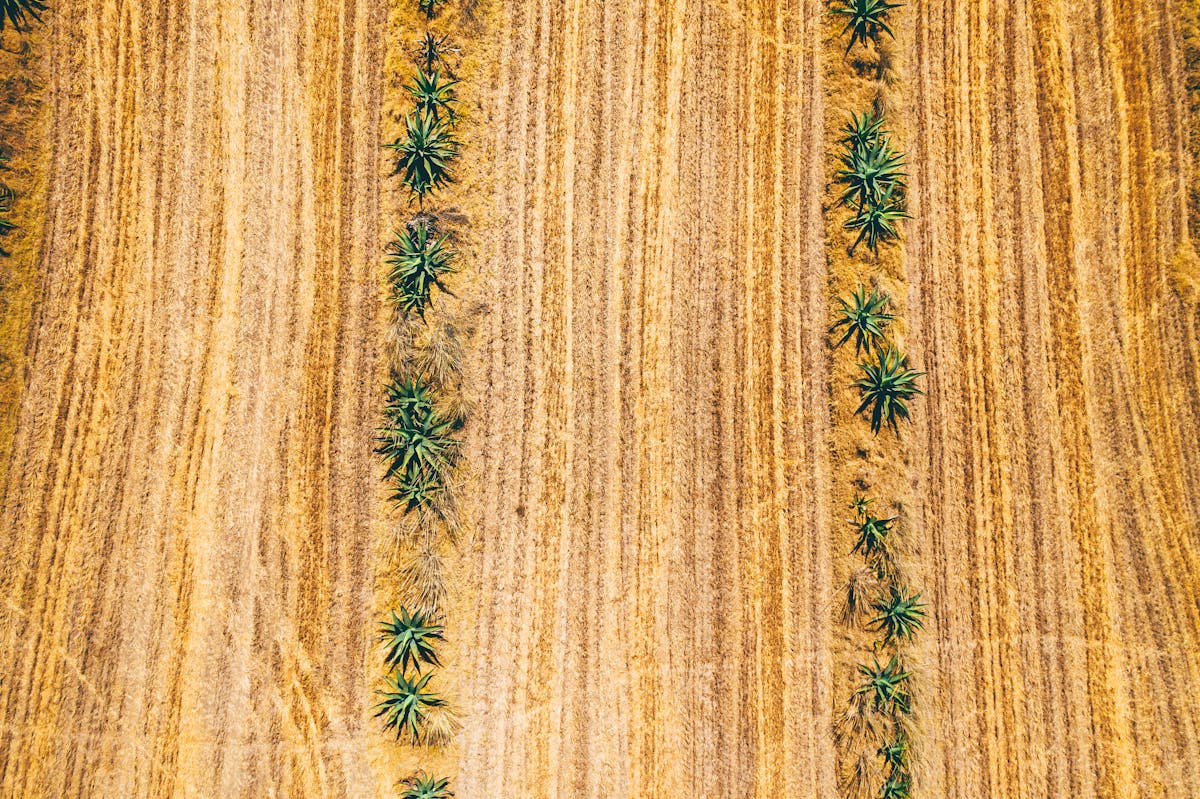
Casa Silencio, outside the city in San Agustín Etla, is for a different kind of stay. It is a mezcal-focused retreat in a converted hacienda, surrounded by agave fields. The silence in the name is not metaphorical. At night, you hear nothing but insects and the occasional distant firework from a village celebration. They run mezcal education programs that are genuinely excellent — not tastings, but full immersions into the production process.
If both are booked (they often are), Hotel Casa Antonieta on Reforma is a solid backup with a rooftop restaurant and well-designed rooms.
The Mezcal Palenques Worth Visiting
Skip the mezcal tourist circuit. The big-name distilleries near Matatlán — the self-proclaimed “world capital of mezcal” — are fine, but they cater to busloads. You want the small family palenques where a maestro mezcalero is making 200 liters a year from wild agave, not 20,000 from cultivated espadín.
Ask at Mezcaloteca in the city center. It is part bar, part education center, and the staff will point you toward specific producers based on what you are interested in. They will also pour you things you cannot buy anywhere else — small-batch tobaziche, cuixe, and tepeztate that taste like the landscape they came from.
For visiting a palenque, ask about producers in Santa Catarina Minas or San Baltazar Chichicapam. These are working operations, not showrooms. You will see the pit ovens, the horse-drawn tahona crushing roasted agave, the copper stills. Bring cash — if a maestro offers to sell you a bottle directly, say yes. It will be the best mezcal you have ever tasted, and it will cost a fraction of what the same quality fetches in New York or London.
Where to Eat
Oaxacan food is, without exaggeration, one of the great cuisines of the world. The depth of the molé tradition alone — seven canonical molés, each a distinct universe of chiles, spices, chocolate, and technique — would be enough. But there is also the street food: tlayudas, memelas, tamales de rajas, chapulines (grasshoppers, yes, and they are delicious).
Criollo, run by chef Enrique Olvera’s former collaborator Luis Arellano, is the fine-dining reference point. The tasting menu interprets Oaxacan ingredients through a contemporary lens without losing their identity. It is expensive by Oaxacan standards, modest by any international measure. Reserve ahead.
Zandunga in the centro specializes in Isthmus of Tehuantepec cuisine — a sub-regional tradition most visitors never encounter. Order the garnachas istmeñas and the camarones al mojo de ajo. The dining room, covered in Zapotec textiles, is one of the most beautiful in the city.
Los Danzantes in the zócalo-adjacent space gets mixed reviews from locals who consider it touristy. I disagree. The molé negro is exceptional, the courtyard is gorgeous, and the mezcal list is one of the best curated in town. Go for a long lunch, not dinner.
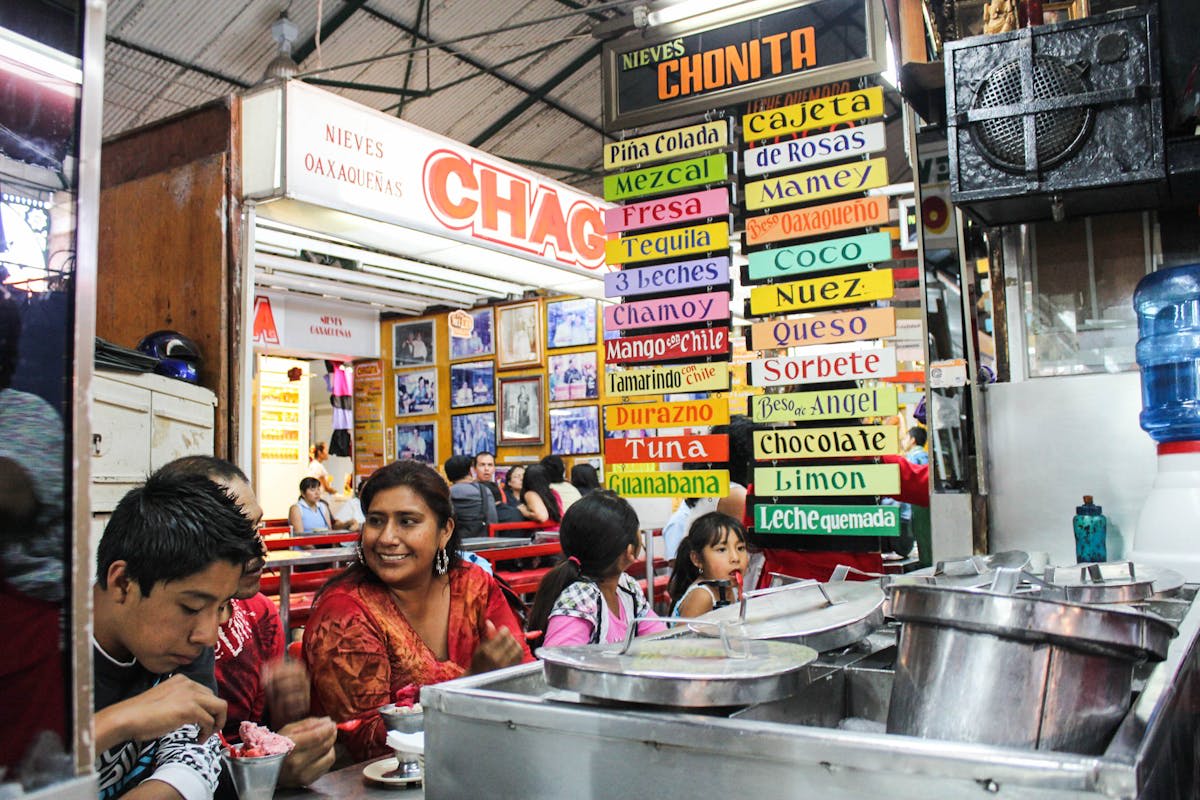
For street food, head to the Mercado 20 de Noviembre and find the pasillo de humo — the smoke corridor — where women grill tasajo (dried beef) and chorizo over open coals. Point at what looks good. Sit on a bench. Eat with your hands.
Day Trips Done Right
Monte Albán is essential, but go at opening (8am) or in the last two hours before closing. The midday crowds are punishing, and the site deserves contemplation, not a rushed walk through a sea of selfie sticks. Hire a local guide — the Zapotec history is too rich to absorb from a placard.
Skip Hierve el Agua. I know. Everyone says to go. But the access road is controlled by a local community that charges inflated fees, the pools are often disappointing in dry season, and the crowds have made it unpleasant. Instead, drive to San José del Pacífico, a mountain village three hours south in the Sierra Madre, wrapped in cloud forest. The views on the drive alone are worth it. Stay for lunch, eat trout, breathe air that tastes like pine.
The Thing About Oaxaca
What I love about this place — what keeps pulling me back — is that it has not been simplified. It is not a single narrative. It is indigenous and colonial, ancient and contemporary, deeply traditional and wildly experimental. The food, the mezcal, the textiles, the art — all of it is alive, evolving, argued over. Oaxaca does not exist for your consumption. It exists for itself. The best you can do is show up with humility and appetite, in roughly equal measure.
Viaja con intención
Guías curadas, destinos tranquilos e historias que vale la pena leer — enviadas cuando tenemos algo que merece ser compartido.
Sin spam. Cancela cuando quieras.