
The Corn Islands — Nicaragua's Caribbean Secret
Getting There Is the Point
The journey to the Corn Islands is a test of commitment. From Managua, you fly to Big Corn Island on a propeller plane that seats thirty people and crosses the entire width of Nicaragua — volcanic highlands, cloud forest, jungle, and finally the Caribbean coast — in about ninety minutes. From Big Corn, a panga (small motorboat) takes you to Little Corn in thirty minutes across open water that can be perfectly calm or violently choppy depending on factors that appear to be governed by caprice rather than meteorology.
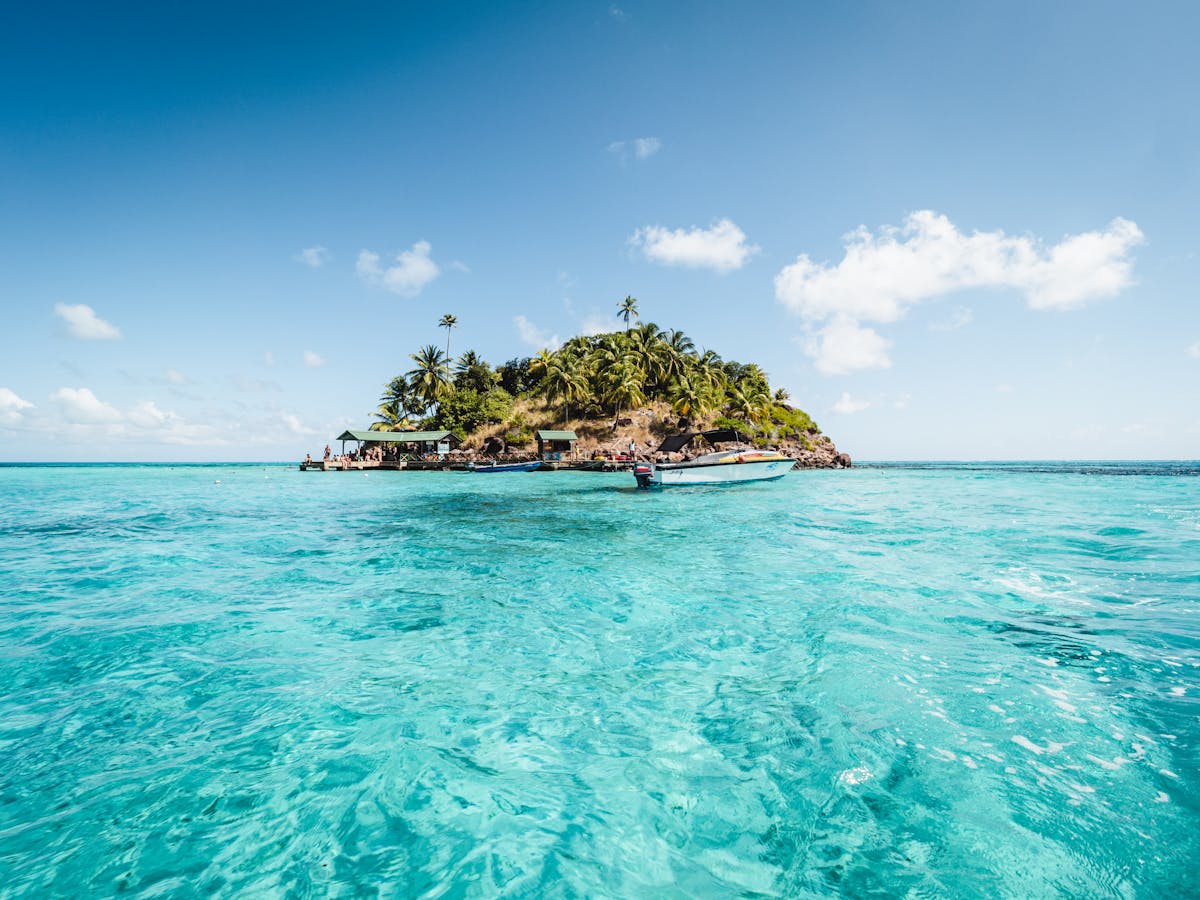
There are no cars on Little Corn. There are no ATMs. There is one path that circles the island — you can walk it in forty minutes — and a handful of guesthouses, restaurants, and dive shops. The electricity is unreliable. The internet is aspirational. And the Caribbean here is the one that the rest of the region sold off decades ago: untouched reef, empty beaches, water so clear you can see the bottom at ten meters, and a pace of life that makes the word “slow” feel like an overstatement.
The Culture Shift
The Caribbean coast of Nicaragua is a different country from the Pacific side. The language shifts from Spanish to Creole English — a musical, lilting dialect descended from the British colonial period and the African diaspora. The food changes: rondon (a coconut-milk seafood stew), rice and beans cooked in coconut oil, whole lobster grilled over coals for what would be a rounding error in any tourist restaurant in the world. The music is reggae and calypso, not salsa and cumbia. The rhythm is Caribbean, not Central American.
This is not a resort experience. Little Corn has no luxury hotels. What it has is simple wooden guesthouses with sea views, hammocks on every porch, and a social ecosystem where everyone — locals, expats, travelers — eats at the same three restaurants, dives with the same two operators, and ends up at the same beach bar watching the sun go down. By your second day, the bartender knows your name. By your third, you are invited to a local football game. By your fifth, you are seriously considering what it would take to never leave.
Underwater
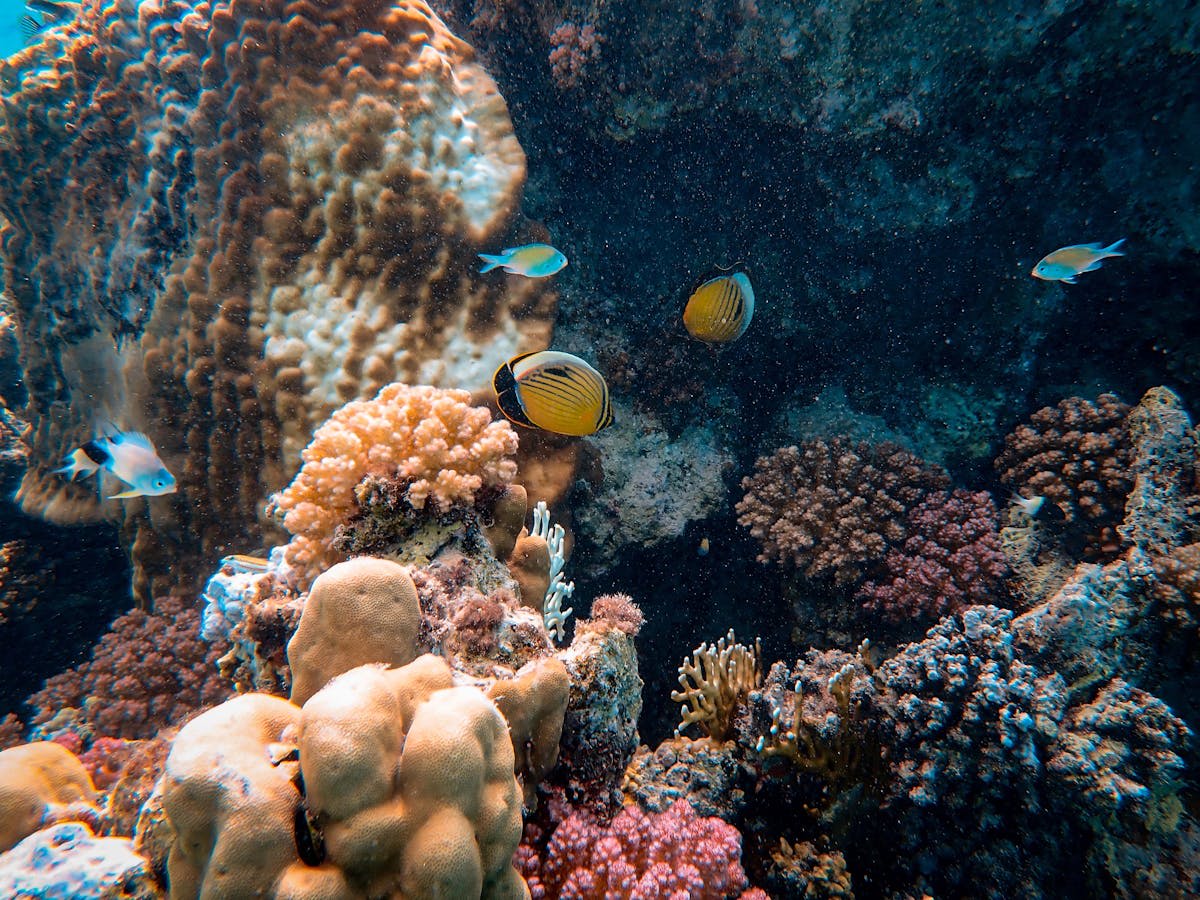
The diving off Little Corn is the best-kept secret in the Caribbean. The reef is healthy — genuinely, startlingly healthy, in a way that most Caribbean dive sites can no longer claim. Nurse sharks rest under coral overhangs. Hawksbill turtles cruise the wall. Eagle rays pass in pairs. The visibility is often twenty-five meters or more, and the dive sites are minutes from shore. A two-tank dive costs about forty dollars. In Bonaire or the Caymans, you would pay four times that and see half as much.
Blowing Rock, the signature dive, is a volcanic pinnacle rising from the deep — a wall dive that starts at five meters and drops into blue water, with reef sharks patrolling the edges and the occasional hammerhead passing through at depth. I dived it twice. Both times I surfaced with the specific grin that divers get when a site exceeds their expectations completely.
The Evenings
There is nothing to do in the evening on Little Corn, and this is its greatest luxury. Dinner at Tranquilo Café — grilled fish, coconut rice, a beer — or at Café Desideri if you want pasta made by an Italian expat who came for a week eight years ago. After dinner, the options are: a beach bonfire, a hammock, or the stars. The stars on Little Corn are obscene — the Milky Way stretches overhead in a thick band, unhidden by any light pollution, reminding you that the universe is considerably larger than your to-do list.
I stayed five nights. I had booked three. The Corn Islands do not care about your itinerary. They operate on island time, which is less a schedule than a suggestion, and the suggestion is always: stay longer, move slower, need less. It is, I think, the closest I have come to the kind of travel that is not about seeing things but about temporarily becoming a different version of yourself — one with fewer appointments, fewer opinions, and a significantly better relationship with the sea.
Viaja con intención
Guías curadas, destinos tranquilos e historias que vale la pena leer — enviadas cuando tenemos algo que merece ser compartido.
Sin spam. Cancela cuando quieras.