Bahia's Coconut Coast — Where Brazil Tastes Like Itself
The Arrival
Salvador da Bahia announces itself before you see it. You hear it — drums, always drums, sometimes distant, sometimes so close you feel them in your sternum. This is a city where music is not performance but atmosphere, the way birdsong is in a forest. Samba de roda in the Pelourinho, axé pouring from car windows, the deep percussion of a Candomblé ceremony carrying across the old quarter on a Tuesday night because Tuesday is Ogum’s day and the terreiro has been observing it for two hundred years.
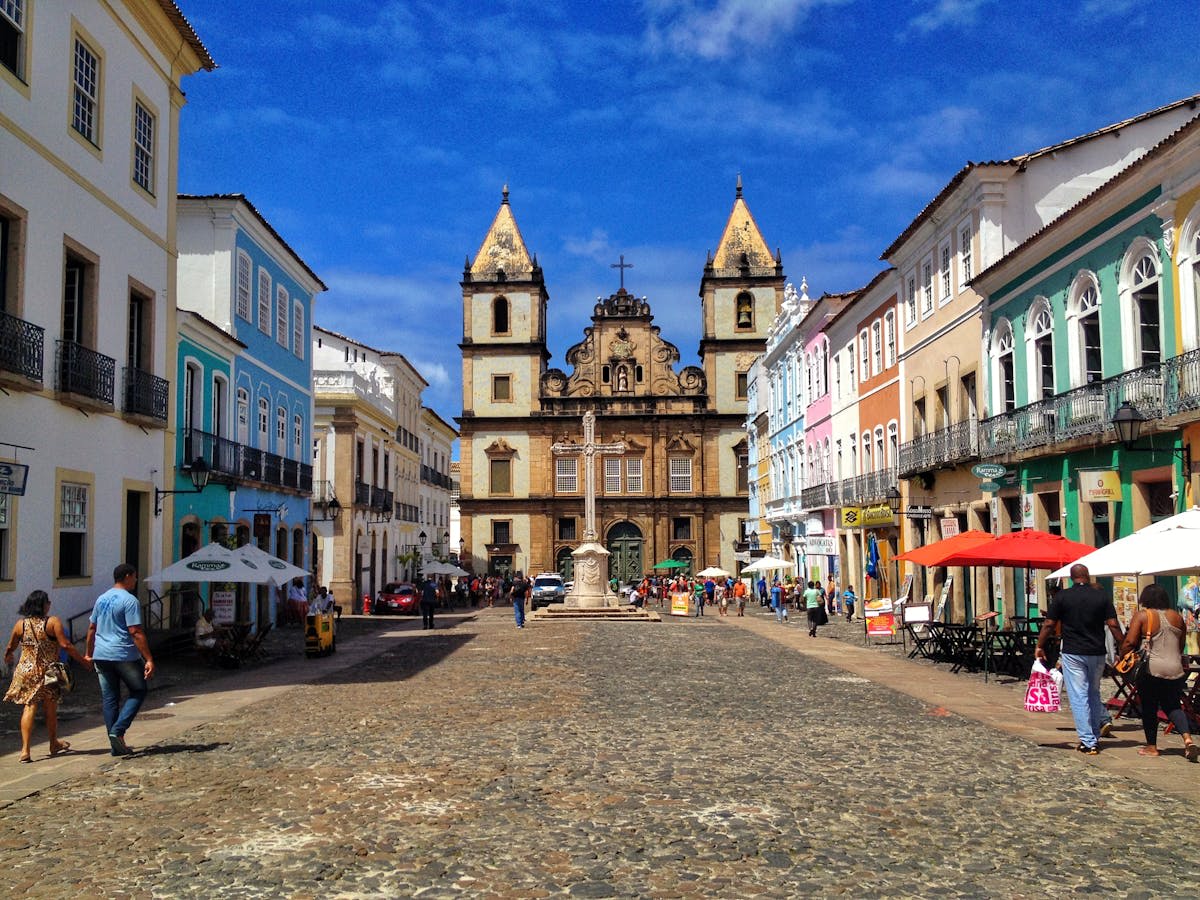
The Pelourinho — Salvador’s colonial heart, a UNESCO site of cobblestoned streets and pastel baroque churches — has the reputation of being touristy, and it is, in parts. But walk three blocks from the main square and you are in a neighbourhood where the tourist infrastructure disappears entirely and the Bahian rhythm asserts itself: women selling acarajé from trays balanced on their heads, children playing football in squares where the Portuguese built churches on top of enslaved African sacred sites, old men playing dominoes under mango trees. Salvador is not a museum. It is a city that happens to be four hundred years old.
The Food
Bahian cuisine is the reason I came, and the reason I extended my stay twice. It is Afro-Brazilian at its core — a fusion born from the cooking knowledge that enslaved West Africans carried with them and adapted to New World ingredients. The base notes are dendê (palm oil), coconut milk, dried shrimp, malagueta pepper, and cilantro. The results are unlike anything else in the Americas.
Acarajé is the essential street food — black-eyed pea fritters split open and filled with vatapá (a paste of bread, shrimp, coconut milk, and peanuts) and caruru (okra stew). Find a baiana with a crowd. The best I had was from a woman named Dinha in the Rio Vermelho neighbourhood, whose fritters were so good that the line never shortened between 5pm and midnight.
Moqueca baiana is the coast’s signature dish — fish or shrimp simmered in a clay pot with dendê oil, coconut milk, tomatoes, peppers, and cilantro. Served with rice, farofa, and a hot sauce that ranges from gentle to punitive depending on who made it. The best moqueca I ate was not in a restaurant but at a fishing village south of Itacaré, where the cook used fish that had been in the ocean three hours earlier and dendê oil she pressed herself.
Cacau — the Bahian coast is one of the original cacao-producing regions, and the chocolate culture here predates European confectionery by centuries. Visit a fazenda near Ilhéus and taste cacao pulp straight from the pod — sweet, tangy, nothing like chocolate — before watching the fermentation and roasting process that transforms it into something recognizable.
The Coast South of Salvador
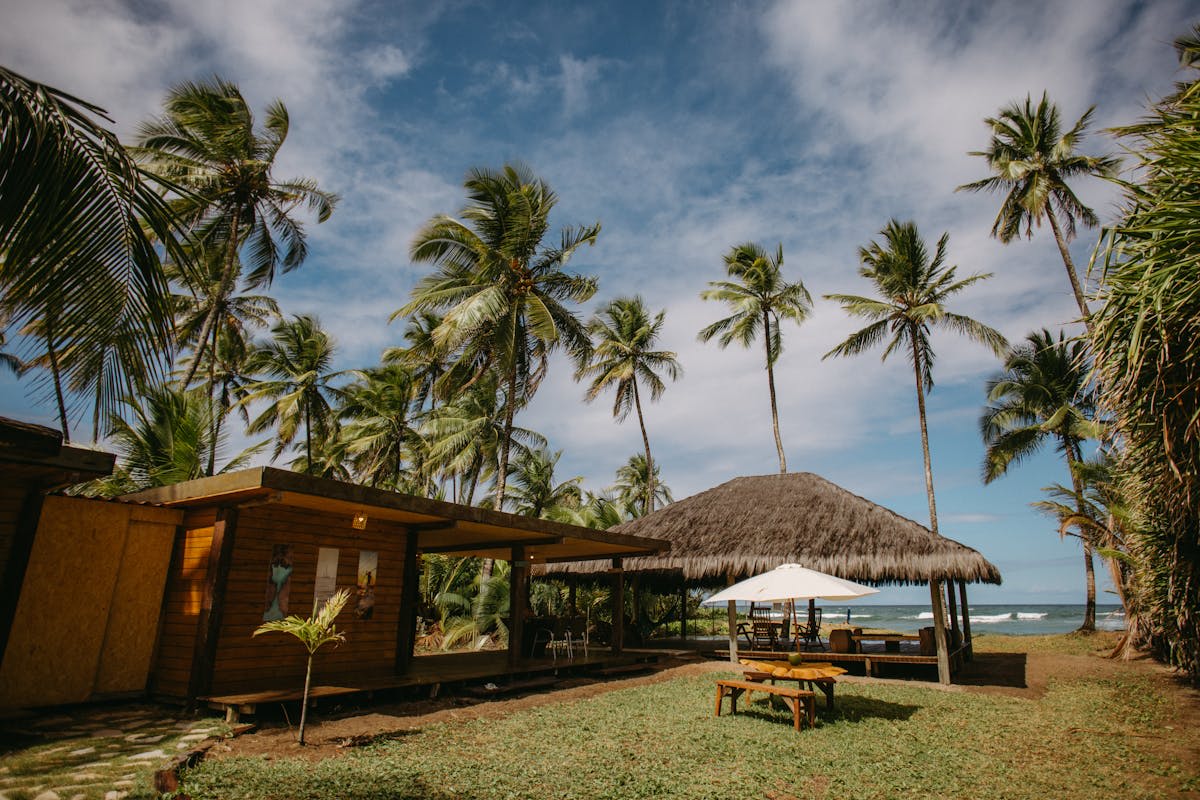
Leave Salvador and drive south along the BA-001. The road hugs the coast through a landscape of coconut palms, Atlantic forest remnants, and small towns where the fishing boats are still hand-painted and the pace of life would give a Northern European a gentle breakdown. This is the Costa do Cacau and the Costa do Dendê — named for the crops, which tells you everything about the priorities.
Itacaré is the standout. A former cacao port turned surf town, still more Brazilian than international, with beaches accessed by trails through Atlantic forest. The waves at Tiririca are consistent and forgiving. The nightlife is a forró dance at a beach bar. The restaurants serve fresh fish and cold beer and see no reason to complicate the formula.
Further south, Maraú Peninsula is what Tulum was fifteen years ago — a sand-road paradise of coconut groves and deserted beaches where the only development is a handful of rustic pousadas and a general store. Go now.
The Thing About Bahia
What I carry from Bahia is not a single image but a feeling — a kind of full-body warmth that comes from a place where the food is rich, the music is constant, the people are generous without agenda, and the beauty is so ordinary that nobody bothers to curate it. Bahia does not perform. It simply is. And what it is, is one of the most alive places I have ever been.
Viaja con intención
Guías curadas, destinos tranquilos e historias que vale la pena leer — enviadas cuando tenemos algo que merece ser compartido.
Sin spam. Cancela cuando quieras.