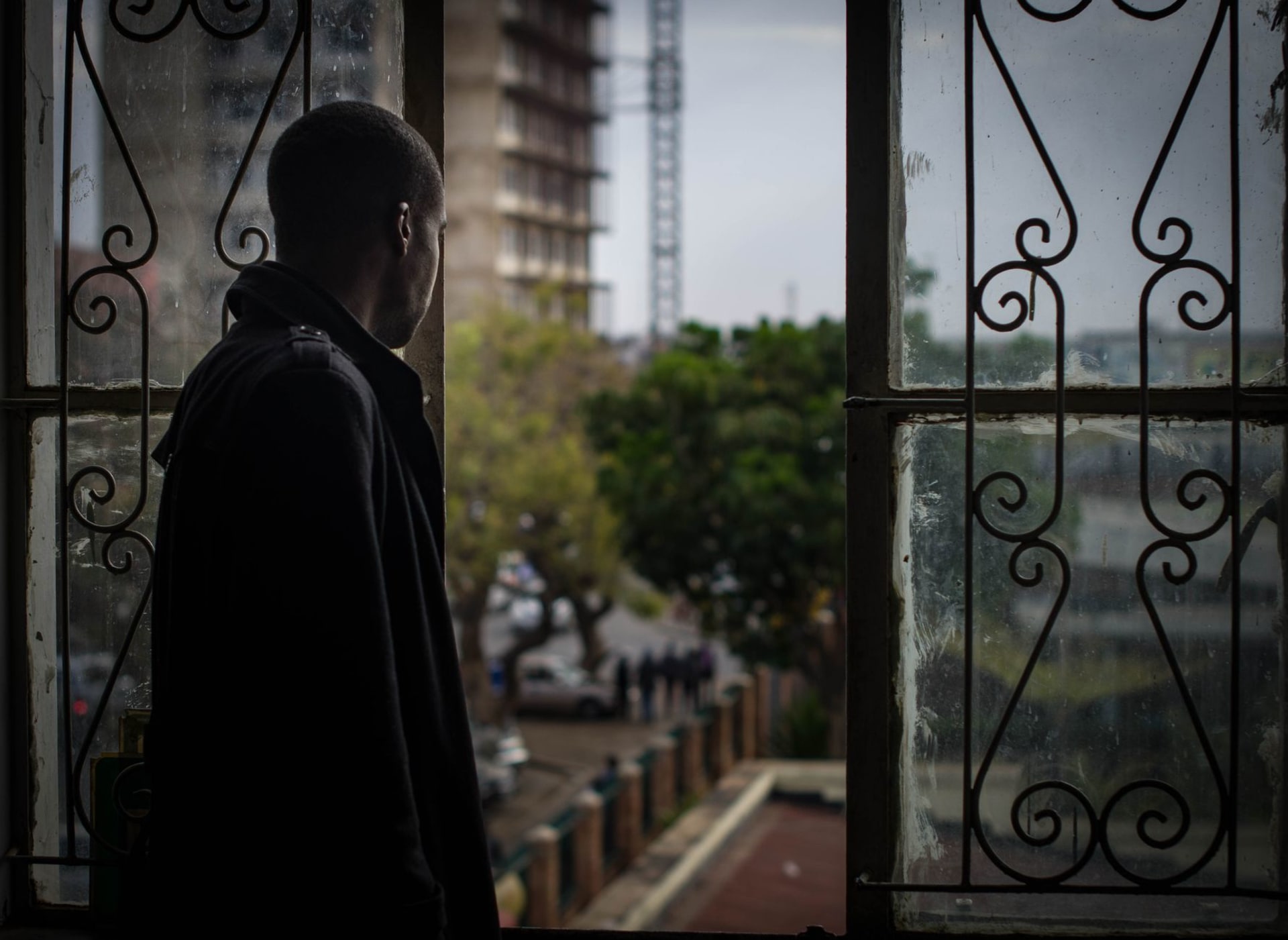
Lusaka
"Lusaka doesn't perform for you. It's busy with its own business, which turns out to be more interesting."
Most visitors to Zambia treat Lusaka as an airport with a city attached — land, sleep, fly out to a park in the morning. I’ve done this. It’s a defensible choice, but I’ve also spent proper time in the capital, and the second version is more interesting than it has any right to be.
Lusaka is a city of about three million people organized around a grid that made more sense when it was a colonial administrative town and now accommodates a metropolis on roads that were not designed for the traffic they carry. The downtown core is dense and noisy and entirely functional in its own terms; the residential areas to the north spread into what were once farmland blocks, now converted into the city’s restaurant belt and its genuinely good coffee scene.
The Market and What It Contains
Lusaka Central Market is an experience in information overload. A covered labyrinth of vendors selling everything from fresh caterpillars (a local delicacy, dried and salted, tasting roughly like what you’d expect if you tried to imagine the flavor of protein and umami and denial) to secondhand mobile phones to chitenge fabric in patterns that would cost three times as much if sold in a boutique in London. I spent two hours here on a Tuesday morning and could have spent four. The produce section alone — piles of cassava, sweet potato, dried fish, tomatoes in careful pyramids — has a color and smell that I kept trying and failing to hold onto after I left.
The vendors at Central Market have no particular patience for tourists standing in the middle of the walkway taking photos without buying anything. This seemed fair.
Where Lusaka Eats
The restaurant scene in Lusaka has expanded dramatically in the last decade and is now, by southern African standards, genuinely good. There are proper Zambian restaurants serving nshima — the stiff maize porridge that anchors most meals in the country, eaten with your hands and paired with relishes of chicken, beef, or dried fish — alongside a range of Indian, Lebanese, and fusion restaurants that reflect the city’s diverse commercial community.
The roadside braais in the evening, set up along the quieter residential streets, produce the most straightforwardly satisfying food: grilled chicken, maize cobs, roasted sweet potato, sold by people who have been doing this their whole lives. I ate at one in Northmead on my last night in the city and it cost less than a coffee in the coffee shop I’d been at that morning.
The National Museum and Its Surprises
The Lusaka National Museum is modest in its ambitions and delivers more than it promises. The section on Zambia’s independence movement is the most affecting — photographs and artifacts from the 1964 transition, Kenneth Kaunda’s personal effects, documentation of a country inventing itself almost in real time. The colonial-era ethnographic collection has the usual uncomfortable provenance questions, but the museum staff are engaged and willing to discuss them if you ask.
The Lilayi Elephant Nursery, on the southern edge of the city, is one of Zambia’s genuine wildlife conservation success stories. Baby elephants are not subtle in their appeal. I’m reporting this objectively.
When to go: Year-round — Lusaka is a functional city in any weather. May to August offers cooler, drier weather and is more comfortable for walking around. October and November are hot and dusty before the rains arrive. The rainy season (November to April) keeps temperatures manageable but the roads can become challenging.