Europe
Yorkshire
"The north of England that reminds you why the south feels like a performance."
Stone walls threading across moorland, market towns with real butchers and real ales — Yorkshire is England before England forgot itself.

I arrived at Ribblehead Viaduct in October, the wind carrying horizontal rain off Whernside, and the only other person in sight was a man walking a very sensible dog in a very sensible wax jacket. No queue. No entrance fee. No interpretive signage explaining that this Victorian railway bridge spanning the dale is significant. It just stood there, twenty-four arches across a sweep of moorland, being enormous and indifferent to my admiration. That is Yorkshire in a sentence: magnificent and completely unbothered about whether you notice.
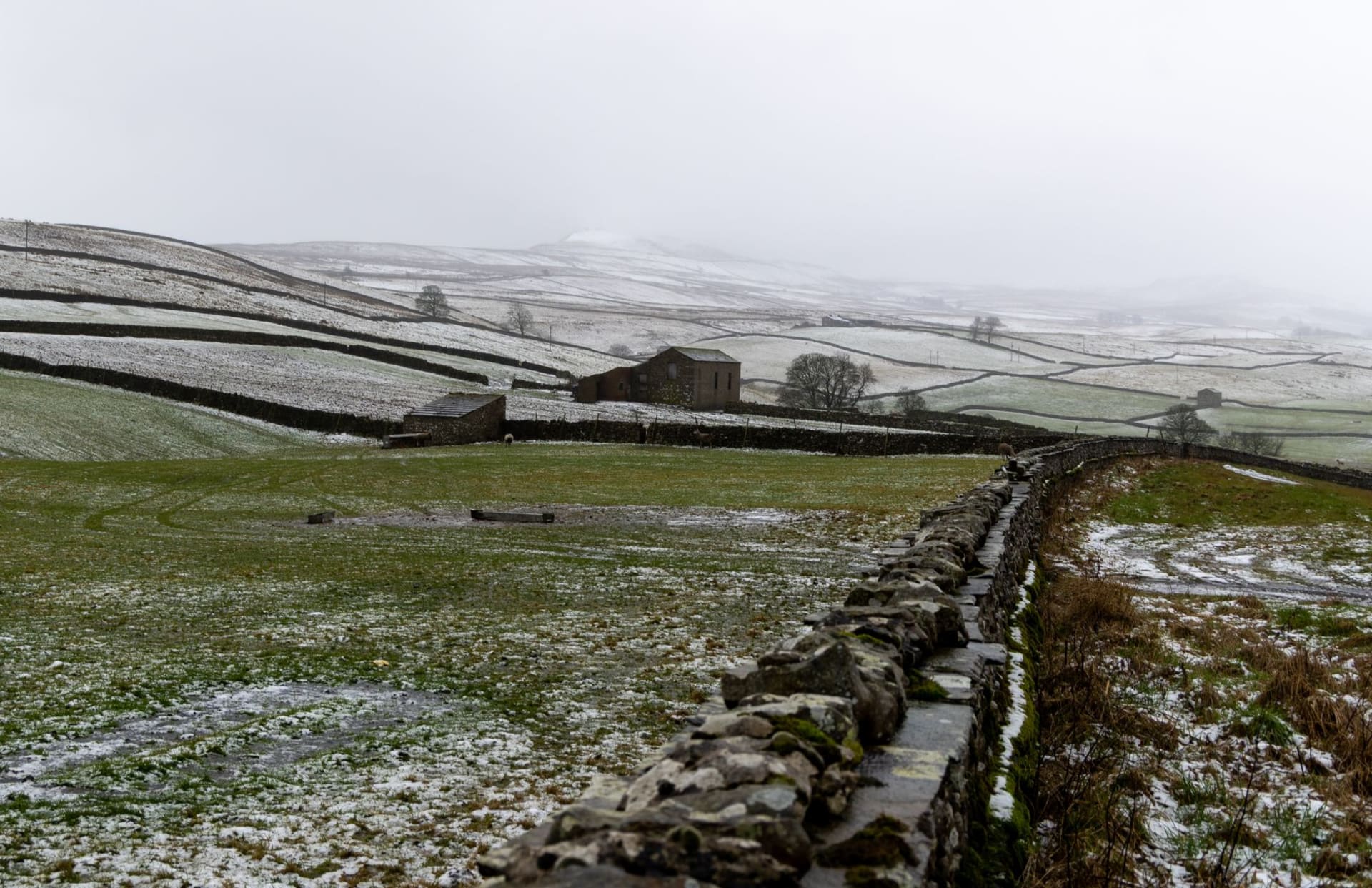
The Dales and the Moors are the obvious draw, and they earn it. The limestone walls that divide every hillside into a patchwork were built without mortar and have stood for centuries — they are functional poetry, and you see them everywhere from Wensleydale to Swaledale. But Yorkshire resists the trap of being only landscape. Whitby on the North Sea coast smells of frying fish and salt and the particular melancholy of a working harbor town that also happens to have Bram Stoker’s ghost haunting its clifftop abbey. York itself is one of the best preserved medieval cities in Europe — walk the Shambles at dusk, when the tourists have thinned, and the crooked timber-framed buildings lean toward each other like conspirators. Harrogate is where moors-weary Victorians came to take the waters; today you take a very good flat white and a Yorkshire curd tart instead. In the market towns — Skipton, Richmond, Helmsley — you find proper butchers selling proper black pudding, greengrocers with local rhubarb from the Wakefield Forcing Triangle, pubs where the Timothy Taylor Landlord is cask and cold and never a tourist trap.
When to go: Late April to June for green dales and long evenings, or September for the heather on the moors turning purple — those two weeks in late summer when Brontë country becomes exactly what it was meant to look like. Winter has its own severe beauty, but roads across the high moors close fast when snow comes, and it comes without much warning.
What most guides get wrong: They route you through the Dales and call it done, treating the moors and the coast as afterthoughts. The North York Moors are wilder and lonelier than the Dales, and Whitby is one of the strangest, most atmospheric small towns in England. The other thing guides miss: Yorkshire food has a genuine identity. Don’t skip it in favor of gastropub menus — find a pie, find the rhubarb, find the real ale. The county takes its provisions seriously in a way that the south of England gave up on decades ago.
Explore
Places in Yorkshire
 yorkshire
 Filey
A quiet stretch of sand between the crowds of Scarborough and Bridlington, where the tide pulls back far enough to lose your sense of scale.
Explore yorkshire
 Fountains Abbey
The largest monastic ruin in Britain, set in a glacial valley with a Georgian water garden attached — a UNESCO World Heritage Site that earns the designation without appearing to try.
Explore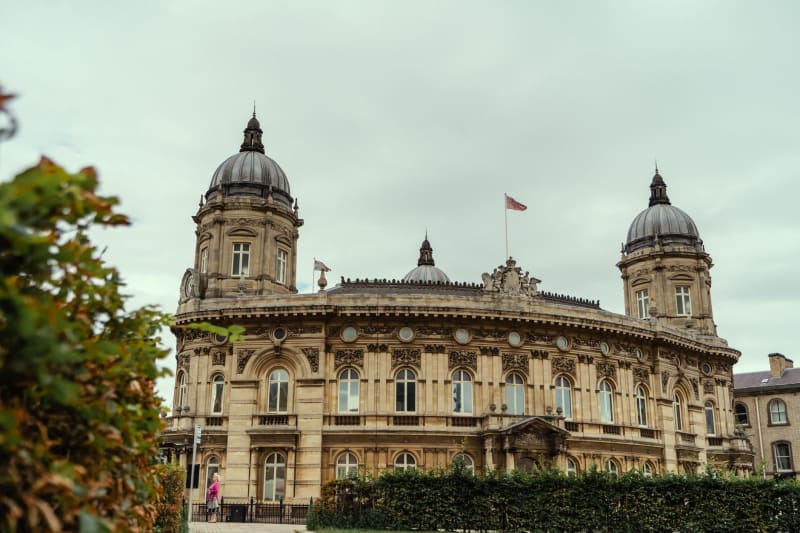 yorkshire
 Harrogate
A Victorian spa town built on sulphurous spring water that smells like rotten eggs but somehow produced one of the most elegant town centers in northern England.
Explore yorkshire
 Haworth
The West Riding village where the Brontë sisters wrote some of the most famous novels in English — a place of cobblestones and moorland wind that feels, against all odds, genuinely like the books.
Explore yorkshire
 Knaresborough
A cliff-top town above the River Nidd, where a ruined castle, a soaring railway viaduct, and a cave that turns objects to stone are all crammed into one improbable gorge.
Explore yorkshire
 Leeds
A Victorian industrial city that reinvented itself so thoroughly through food, music, and architecture that the most interesting parts of it now exist inside the bones of its wool and cloth past.
Explore yorkshire
 Malham Cove
A curved wall of white limestone rising 80 metres out of the Dales, carved by a waterfall that hasn't flowed in ten thousand years.
Explore yorkshire
 North York Moors
A plateau of open heather moorland stretching from the Vale of Pickering to the North Sea cliffs — vast, wind-scoured, and in August briefly, blindingly purple.
Explore yorkshire
 Richmond
A Norman castle town gripping the edge of the Dales, its keep looming over cobbled streets and the racing waters of the River Swale.
Explore yorkshire
 Ripon
England's smallest cathedral city, where a horn-blower still marks the setting of the watch outside the market cross every single night.
Explore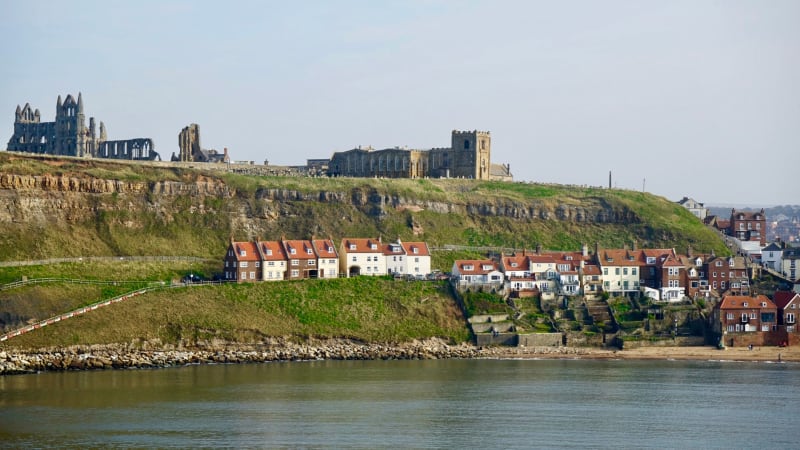 yorkshire
 Robin Hood's Bay
A former smugglers' village that drops so steeply toward the North Sea that its lanes are more staircase than street — tiny, improbable, and somehow not yet ruined by the attention it deserves.
Explore yorkshire
 Saltaire
A UNESCO-listed Victorian mill village of honey-colored stone, built by a wool baron who wanted his workers housed better than most factory owners bothered to imagine.
Explore yorkshire
 Scarborough
England's original seaside resort, where a medieval castle divides two bays and the whole Victorian apparatus of British beach culture — funicular, pier, seafront hotels — still operates with remarkable sincerity.
Explore yorkshire
 Sheffield
A former steel city built across seven hills where the Peak District presses against the suburban edge and the music venues, independent cafes, and arts spaces have colonized the industrial bones the steel left behind.
Explore yorkshire
 Whitby
A fishing port on Yorkshire's North Sea coast where Bram Stoker invented Dracula, the kippers still smoke over oak chips at dawn, and the ruined abbey on the cliff watches everything.
Explore yorkshire
 York
A Roman city encased in medieval walls where two thousand years of history stack so densely that walking anywhere feels like moving through geological time.
Explore