The Kimberley
"The road was corrugated iron for 200 kilometres. The waterfall at the end of it made me forget my spine."
There are parts of the world where the word “remote” still means something. The Kimberley is one of them. The region covers 420,000 square kilometers of northwestern Australia — larger than California — and its permanent population is somewhere around 35,000 people, many of them in the regional town of Kununurra. The interior is accessible, when accessible at all, by four-wheel drive on roads that are better described as suggestions, or by small plane, or by the cruise boats that edge along the deeply indented coastline counting waterfalls.
The Bungle Bungles
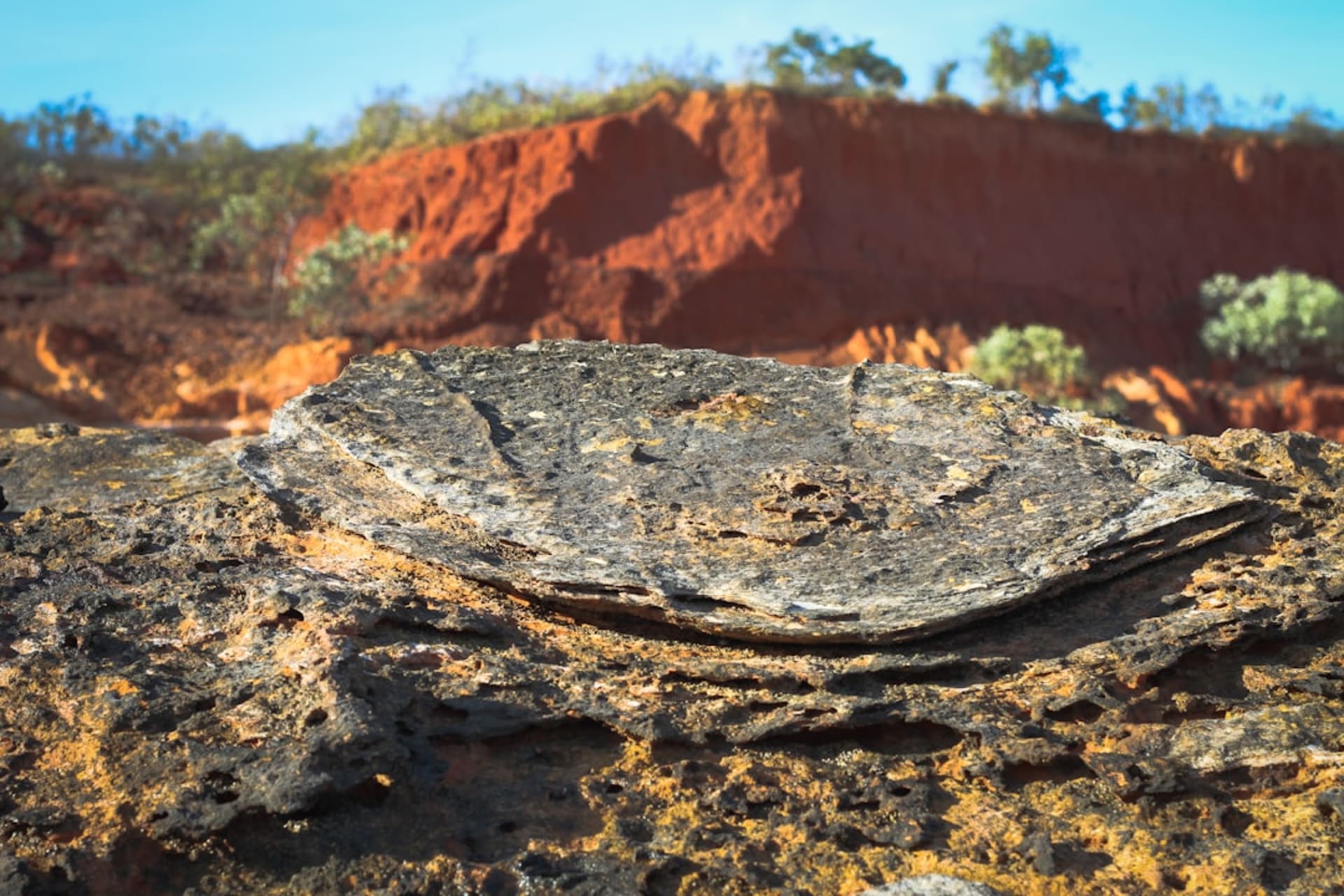
The Purnululu National Park holds the Bungle Bungles, a formation of beehive-shaped sandstone domes banded in alternating orange and black — the black bands are cyanobacteria, the orange is iron and silica — that rise from the Kimberley plateau and look, from the air, like something a god left behind after a project they abandoned. On the ground, you walk between the domes through narrow corridors of shade, the rock close and textured, and eventually arrive at Cathedral Gorge, a natural amphitheater at the foot of a curved wall that holds the kind of silence that makes you want to clap just to hear what happens.
The Bungle Bungles were “discovered” by the outside world in 1983 via an aerial survey. The Gija people had been living around them for tens of thousands of years.
Waterfall Season
The Kimberley has two seasons: the Dry (April to October) and the Wet (November to March). During the Wet, the Mitchell Plateau receives up to 1,500mm of rain and the waterfalls that appear on tour itineraries are in full catastrophic flood. Mitchell Falls drops in four tiers over an escarpment, the volume in February turning the pools below to brown froth, the mist visible from two kilometers away. Drysdale River, the King George Falls on the coast — all of them thundering with a sound that is more felt than heard.
Most people visit in the Dry, when the waterfalls are reduced but still flowing and the roads are passable. I understand this decision. I also drove out to Mitchell Falls in May, three weeks after the end of the Wet, and the volume was still significant enough to make me stand at the lookout for forty minutes without moving.
Rock Art in the Ranges
The Kimberley contains one of the world’s most significant concentrations of ancient rock art, much of it depicting Wandjina figures — large-eyed, halo-headed beings associated with rain and sky in the cosmology of the local peoples — and Gwion Gwion (Bradshaw) figures, dynamic human forms in motion that are among the oldest figurative paintings in Australia. Access to many sites requires permission and a guide from the relevant traditional owner groups; the Mimbi Caves near Fitzroy Crossing offer guided tours through caves containing both rock art and fossils in a context that is genuinely educational rather than performative.
The Horizontal Falls
The horizontal falls in Talbot Bay aren’t technically falls — they’re tidal surges through narrow gaps in coastal ridges, where the ocean rises and falls twelve meters with each tide cycle and forces itself through passages at speeds up to twelve knots. The effect is a churning, reversing “waterfall” lying on its side. It sounds like a novelty. Standing above the surge on a boat, watching the ocean pour through a fifteen-meter gap with the force of a river, it’s something else entirely.
Getting There
Kununurra is the eastern gateway, served by flights from Perth, Darwin, and Broome. The Gibb River Road — 660 kilometers of dirt and corrugated gravel — crosses the Kimberley from Derby to Kununurra and is passable by capable 4WD in the Dry season. Many visitors combine a self-drive Gibb River Road trip with a coastal cruise to reach otherwise inaccessible falls. Allow at least two weeks; the Kimberley punishes rushing.
When to go: May through September for road access and manageable heat (though the Kimberley is never cool — expect 30–38°C daily). July through August is peak season for the Gibb River Road. October temperatures spike sharply before the Wet begins. Helicopter and scenic flight options remain available through the Wet season and give access to falls at peak flow.