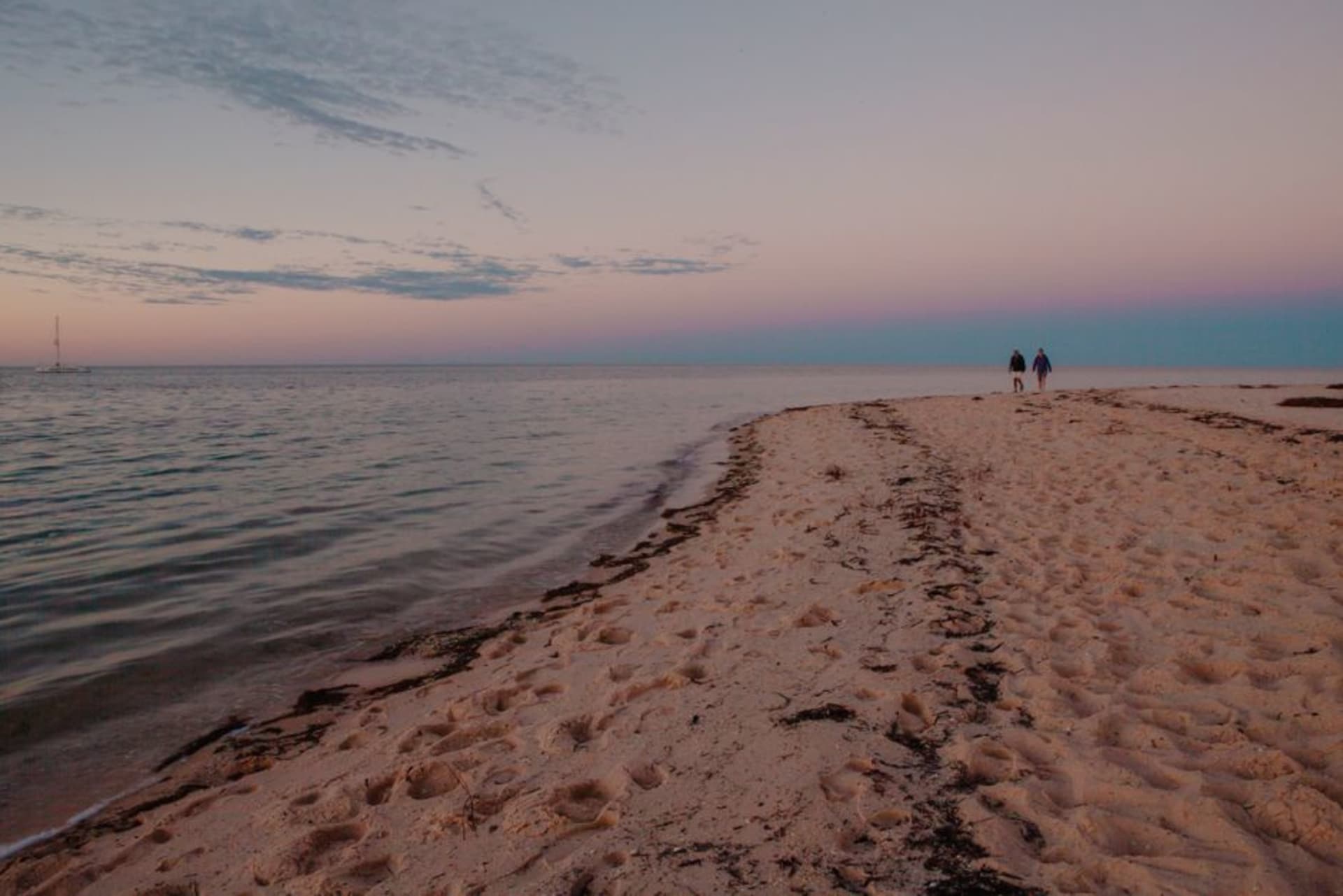
Shark Bay
"The stromatolites look like rocks. They are, in the most literal sense, older than almost everything."
A UNESCO World Heritage bay where wild dolphins swim into the shallows at Monkey Mia, the sand is made entirely of shell, and the oldest living things on the planet sit quietly in the water at Hamelin Pool.
Shark Bay sits about eight hours north of Perth, at the point where the coastline finally gives up pretending it’s going to behave like a normal coastline and instead splits into two long peninsulas wrapped around turquoise water so shallow in places you can wade out for what feels like a kilometre. I drove up via Kalbarri, arrived in the early evening, and the first thing I noticed was the smell of the ocean changing — saltier, sharper, somehow older, though I recognize that’s not a scientifically defensible sensation.
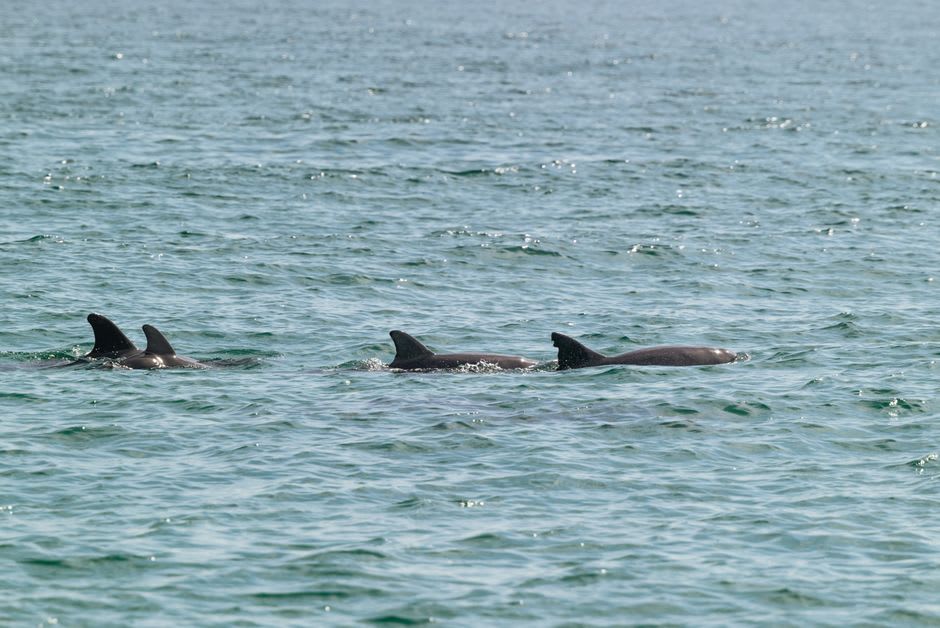
Monkey Mia is the reason most people come. Wild bottlenose dolphins have been swimming into the shallows here for decades, initially fed by local fishermen and now managed carefully by park rangers who limit the interaction to a few individuals and a strict feeding schedule each morning. I stood in ankle-deep water at seven a.m. with maybe thirty other people, mostly silent, watching a dolphin named Puck glide past close enough to see the scarring on her dorsal fin. It’s a strange, quiet kind of wonder — no jumping through hoops, no show, just a wild animal choosing to be near you for reasons that are entirely its own.
Hamelin Pool, on the eastern side of the bay, holds the largest and most diverse collection of stromatolites in the world — living microbial structures that are essentially fossils of the earliest life on Earth, still growing, still doing exactly what their ancestors did three and a half billion years ago. They look like unremarkable dark rocks poking out of the shallows, and I’ll admit my first reaction was mild disappointment, but the boardwalk has interpretive panels that recalibrate that fast. You’re looking at the process that put oxygen in the atmosphere and made every animal on the boardwalk with you possible. That’s a lot to absorb standing in your sandals.
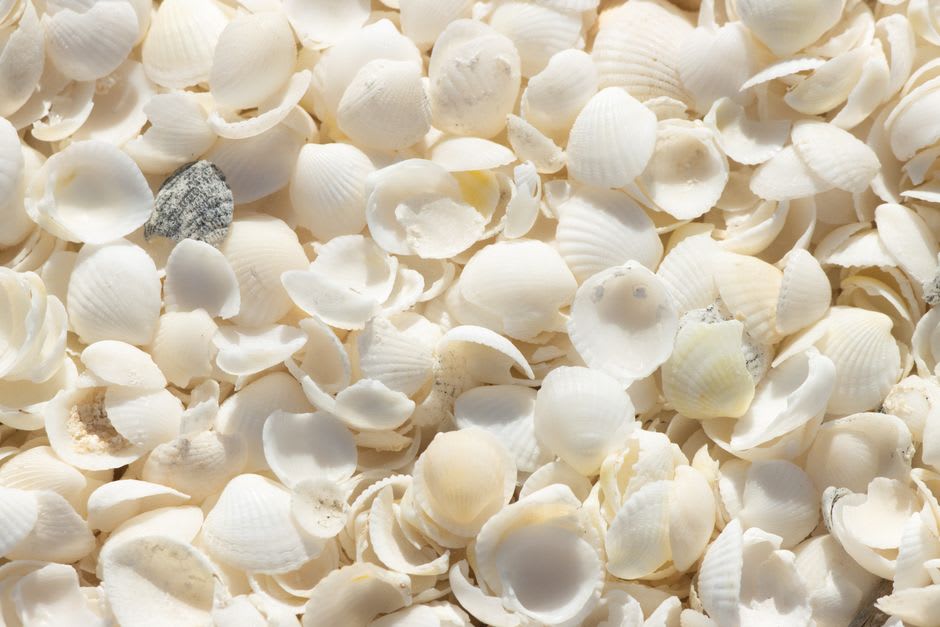
Shell Beach, further along, is exactly what it sounds like — 60 kilometres of beach composed entirely of tiny white cockle shells, packed so densely in places that blocks of it have historically been cut and used as building material. I walked barefoot along a stretch of it at low tide and the shells shifted underfoot with a sound like static, dense and dry and strange.
When to go: April through October, when temperatures are milder and the dolphin visits at Monkey Mia are most reliable. Summer (December–February) is genuinely hot and best avoided for the long drives between sites.