Rottnest Island
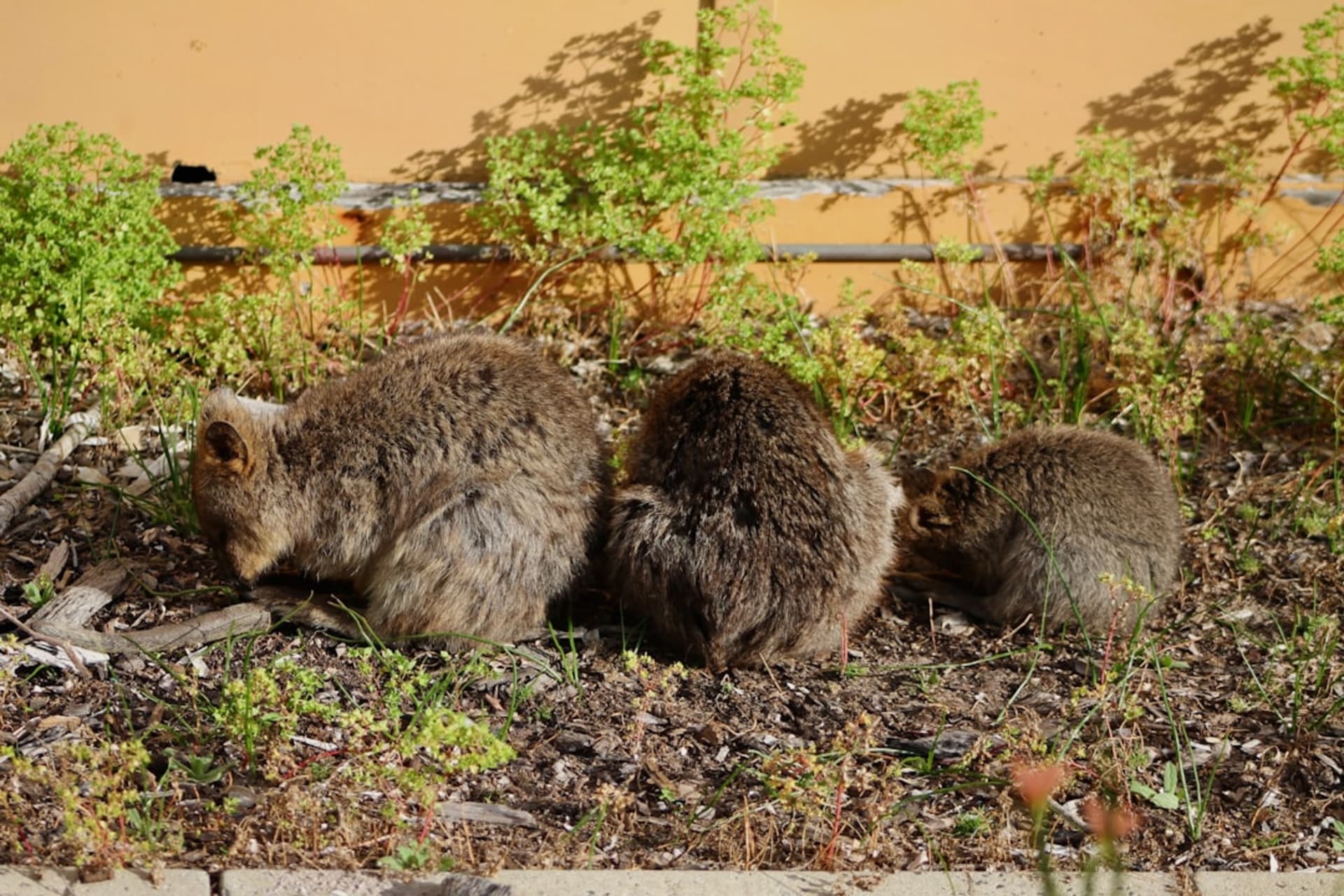
"The quokka looked at my lens, considered its options, and smiled. I'm not inventing the smile."
Quokkas run Rottnest Island now, and they know it. The small marsupials — roughly the size and shape of a rabbit, with a face that human brains are wired to interpret as smiling — were once the reason the island was named at all. The Dutch sailor Willem de Vlamingh saw them in 1696, thought they were large rats, and called the island Rotte Nest. “Rat nest.” The quokkas have clearly forgiven this and moved on to more productive things, specifically being photographed by every visitor to the island at close range while exhibiting a patience that must be considered professionally extraordinary.
The Island Without Cars
Getting to Rottnest — Wadjemup in Noongar language — takes roughly thirty minutes by high-speed ferry from Fremantle. When you step off the ferry you step into a car-free environment, which sounds like a minor detail and turns out to change everything about how you experience a place. The noise level is different. The smells are different. The pace defaults to slower without anyone having to decide it. You rent a bicycle at the ferry terminal and immediately the island reorganizes itself into a series of possible rides rather than possible drives.
The island is twenty-three kilometers long and eleven wide at its broadest. A full circumnavigation by bicycle takes perhaps three hours at a relaxed pace, with stops at bays. And there are bays everywhere — more than sixty beaches in total, each with water in a shade of blue-green that looks oversaturated until you’re in it and realize the color is simply accurate.
The Water
Lia swam every bay on our circuit in an order that I cannot reproduce because after the fourth bay the bays started blurring together into a composite of clear water, white sand, and limestone ledges where octopuses live in crevices. The snorkeling at Little Salmon Bay revealed a reef dense with fish species I couldn’t name and several that I recognized vaguely from other Pacific dives. The water temperature in summer reaches 22°C, which is warm enough for children and for adults who would otherwise refuse.
Parker Point is the dive site that the serious snorkelers target — a wall with a current and larger fish species. The Basin, a natural pool on the north side, is so calm and shallow that it serves as the island’s de facto family beach and is accordingly crowded on weekends when day-trippers arrive from Perth. Go early.
Beyond the Quokka Photo
The island’s history is more complicated than its current resort identity suggests. Between 1838 and 1931, Rottnest served as a prison for Aboriginal men from across Western Australia — more than 3,700 were imprisoned there, and around 370 died on the island and are buried in unmarked graves at the Quod, a circular building that still stands. The Wadjemup Aboriginal Burial Ground and Cultural Centre addresses this history with care and directness. It would be possible to visit Rottnest and miss this entirely; I’d suggest not doing so.
The lighthouse at Wadjemup Hill, the salt lakes in the island’s center where flamingo-pink algae tints the water in summer, the World War II gun battery overlooking the Indian Ocean — the island rewards the rider who takes time between bays.
Logistics
Ferries run from Perth’s Barrack Street Jetty, Fremantle, and Hillary’s Boat Harbour. Day trips are the most common approach, but staying overnight changes the experience: the late afternoon light, the quokkas becoming more active as the day visitors leave, the sunsets from the western beaches without anyone else watching.
When to go: November through April for swimming and snorkeling (water warmest February–March). The island operates year-round but weekends and school holidays (especially January) are extremely crowded — ferries book out weeks in advance. Weekday visits in shoulder season (October or April) offer the best combination of weather and breathing space.