Walhalla
"Walhalla once had 3,000 residents and five thousand kilos of gold beneath the streets. Now it has about twenty people and no phone signal."
A gold-mining ghost town wedged into a mountain gully so steep there's still no mobile signal — and a cemetery on the hillside that outnumbers the living residents by a wide margin.
Walhalla is wedged so tightly into Stringers Creek gully that there was never room for a proper street grid — buildings just stack up the hillsides on stilts and retaining walls, connected by narrow paths, in a way that makes the whole town look slightly precarious even after a century and a half of standing. At its 1880s peak this was a town of around 3,000 people built entirely around the Long Tunnel Extended gold mine, one of the richest reef mines in Victorian history, and then the gold ran out, the town emptied almost completely, and what’s left today is somewhere between a living village and a museum that people happen to still inhabit.
I took the underground tour of the Long Tunnel Extended mine, descending into shafts that once employed hundreds of men working in genuinely dangerous conditions for a wage that rarely matched the risk, and the guide’s account of mining deaths and the town’s boom-and-bust arithmetic was more sobering than any of the gold-rush romance I’d absorbed elsewhere in Victoria. Above ground, the restored Star Hotel still pours a beer at the end of the one street that counts as Walhalla’s main drag.
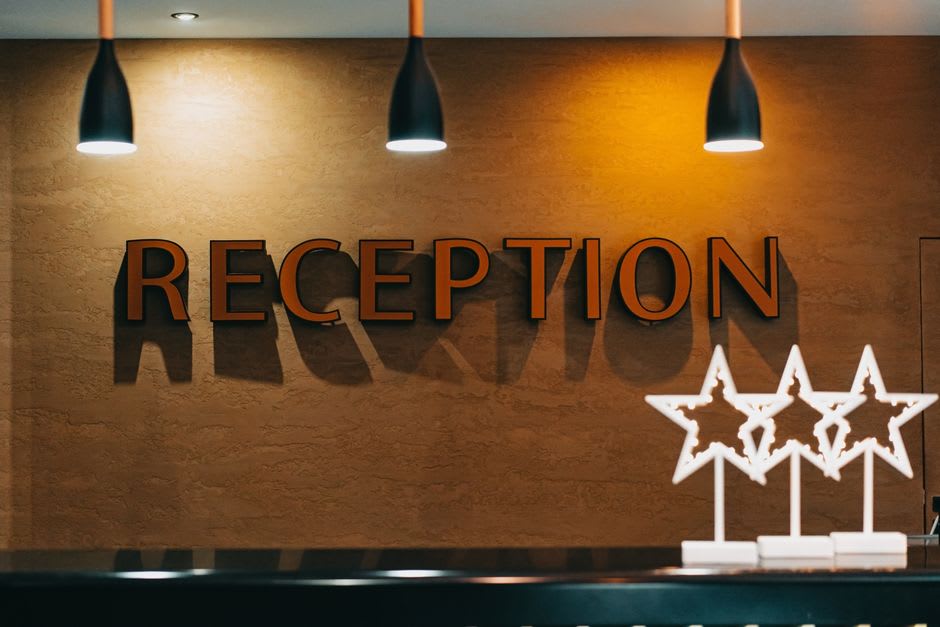
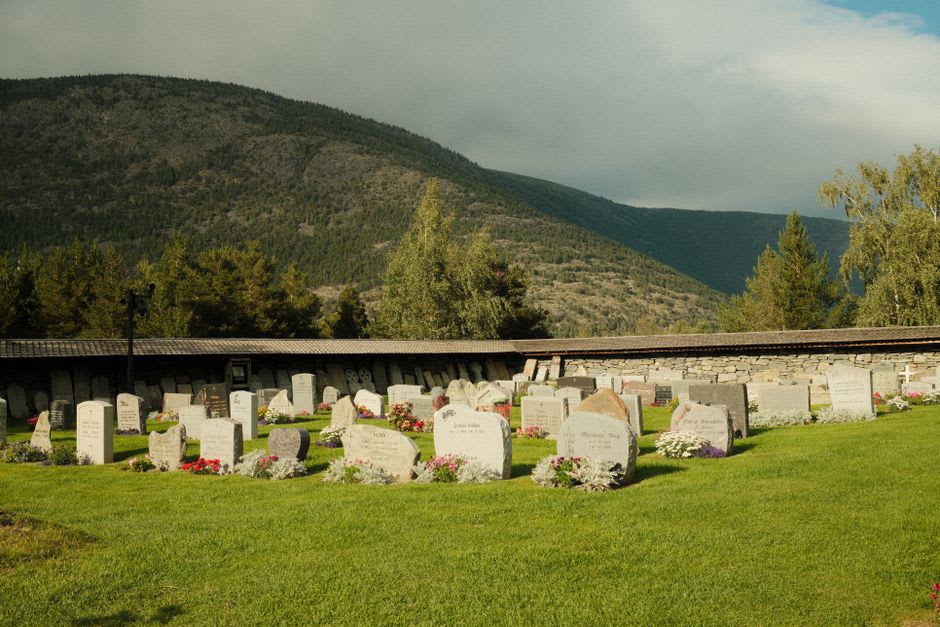
The town’s cemetery, cut into terraces on the hillside above, is one of the most atmospheric I’ve visited anywhere — headstones for children who died of diphtheria, miners crushed in rockfalls, entire families wiped out within a season, all shaded by mountain ash that has grown back since the original logging. There’s genuinely no mobile signal in the gully, which felt disorienting for about twenty minutes and then oddly restful for the rest of the day.
When to go: Autumn (March–April) for the turning colour of the surrounding mountain ash forest. Some attractions, including the mine tour, only run on weekends and school holidays, so check ahead before making the drive.
Keep exploring
More from Victoria
 victoria-australia
 Warrnambool
A working coastal city where southern right whales calve within sight of the beach, and a recreated 1850s shipping village remembers just how many vessels this coast has claimed.
Explore victoria-australia
 Wilsons Promontory
The southernmost point of mainland Australia — a granite peninsula of white beaches and old-growth forest where wombats cross the roads at dusk and the next landmass south is Antarctica.
Explore victoria-australia
 Yarra Valley
An hour from Melbourne, a wine region cool enough to make pinot noir and chardonnay that tastes like somewhere both specific and slightly impossible.
Explore victoria-australia
 Ballarat
A goldfields boomtown that struck it so rich in the 1850s that it built itself a city of grand Victorian facades — and never really stopped being proud of it.
Explore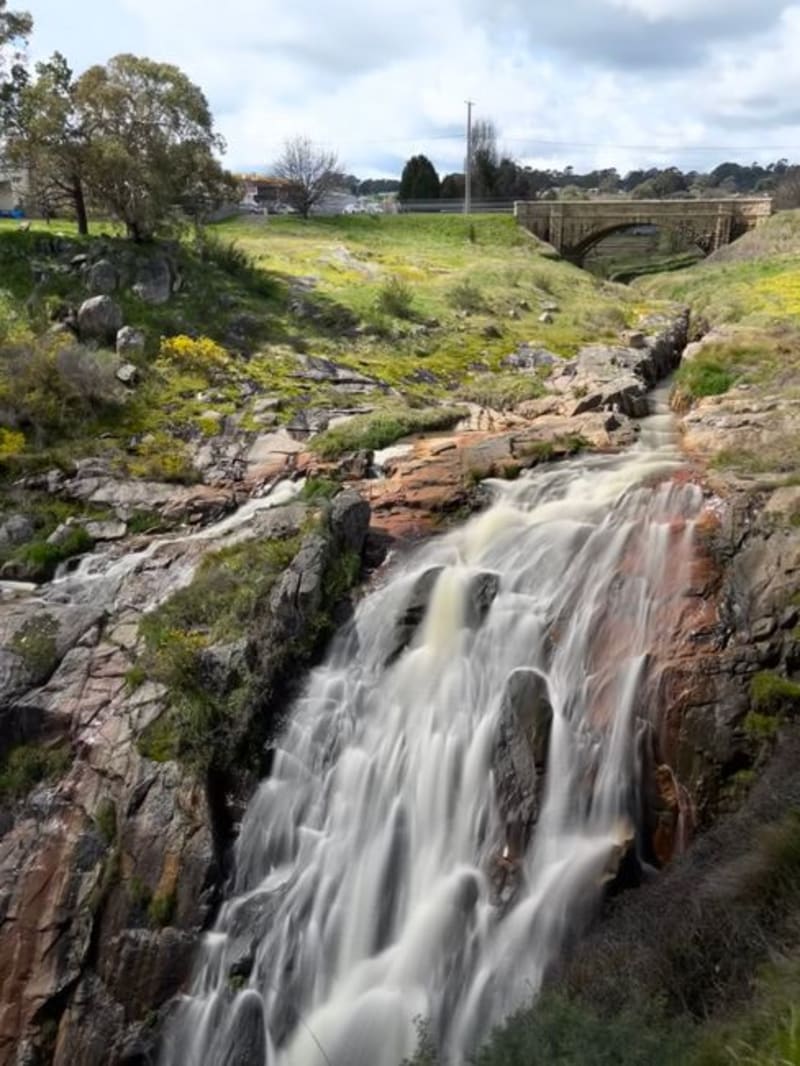 victoria-australia
 Beechworth
A goldfields town built entirely from local granite, so intact that half of it looks unchanged since the 1860s — and the other half is a bakery queue.
Explore victoria-australia
 Bendigo
A gold rush city that spent its brief, violent fortune on Victorian architecture and hasn't fully recovered from the ambition, which makes it one of the most architecturally dense small cities in the country.
Explore