
Port Fairy
"Port Fairy was a whaling and sealing port before Melbourne existed as a city at all — and it still feels like it remembers that."
One of Australia's oldest ports, where whalers' cottages line the streets, shearwaters nest on the island offshore, and the whole town smells faintly of salt and woodsmoke.
Port Fairy was founded in 1833, before Melbourne was properly a city, as a base for whalers and sealers working the Southern Ocean, and it has one of the highest concentrations of surviving colonial-era buildings anywhere in Victoria — bluestone cottages, weatherboard workers’ houses, a customs house from the 1850s, all sitting along streets still shaded by the Norfolk Island pines the original settlers planted. Walking around at dusk, when the light goes soft and gold, I kept forgetting which century I was supposed to be in.
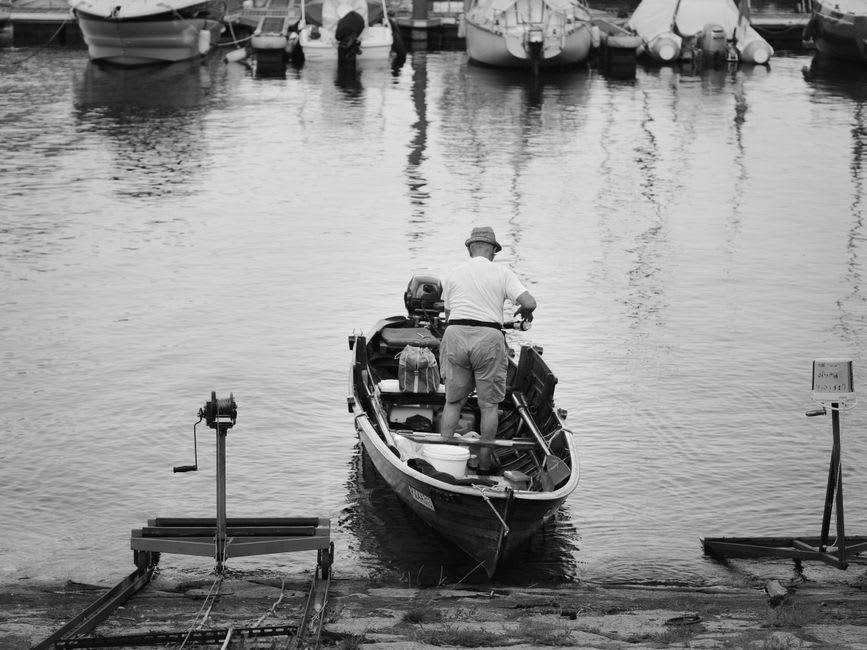
The Moyne River splits the town in two, with fishing boats moored along its banks and a working seafood co-op selling the day’s catch straight off the wharf — I bought a bag of just-cooked prawns and ate them sitting on a bollard, which is roughly the platonic ideal of a Port Fairy afternoon. Griffiths Island, connected by a short causeway at the river mouth, hosts a colony of short-tailed shearwaters — “mutton birds” locally — that arrive each September after an almost unbelievable migration from the North Pacific and fill the dusk sky in their thousands when they return to their burrows at nightfall.
Port Fairy is also famous, well beyond Victoria, for its Folk Festival every March Labour Day long weekend, when a town of under three thousand people absorbs tens of thousands of visitors for four days of music in every pub, park, and side street. I happened to be there off-season and the town felt sleepy and self-contained instead — which has its own considerable charm.
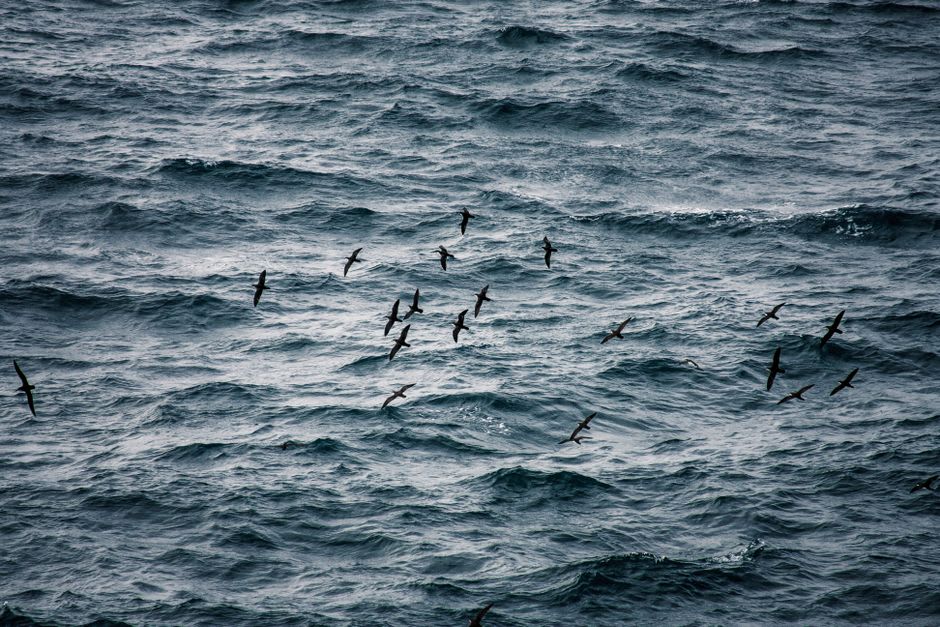
When to go: March for the Folk Festival if you want the town at full volume, or any shoulder-season weekend for the quieter version — Griffiths Island’s shearwaters are most active September through April.