Castlemaine
"Castlemaine got rich, got forgotten, and got interesting again — roughly in that order."
A goldfields town that turned its boomtown wealth into grand civic architecture, then turned its quiet decline into one of the best small arts scenes in regional Australia.
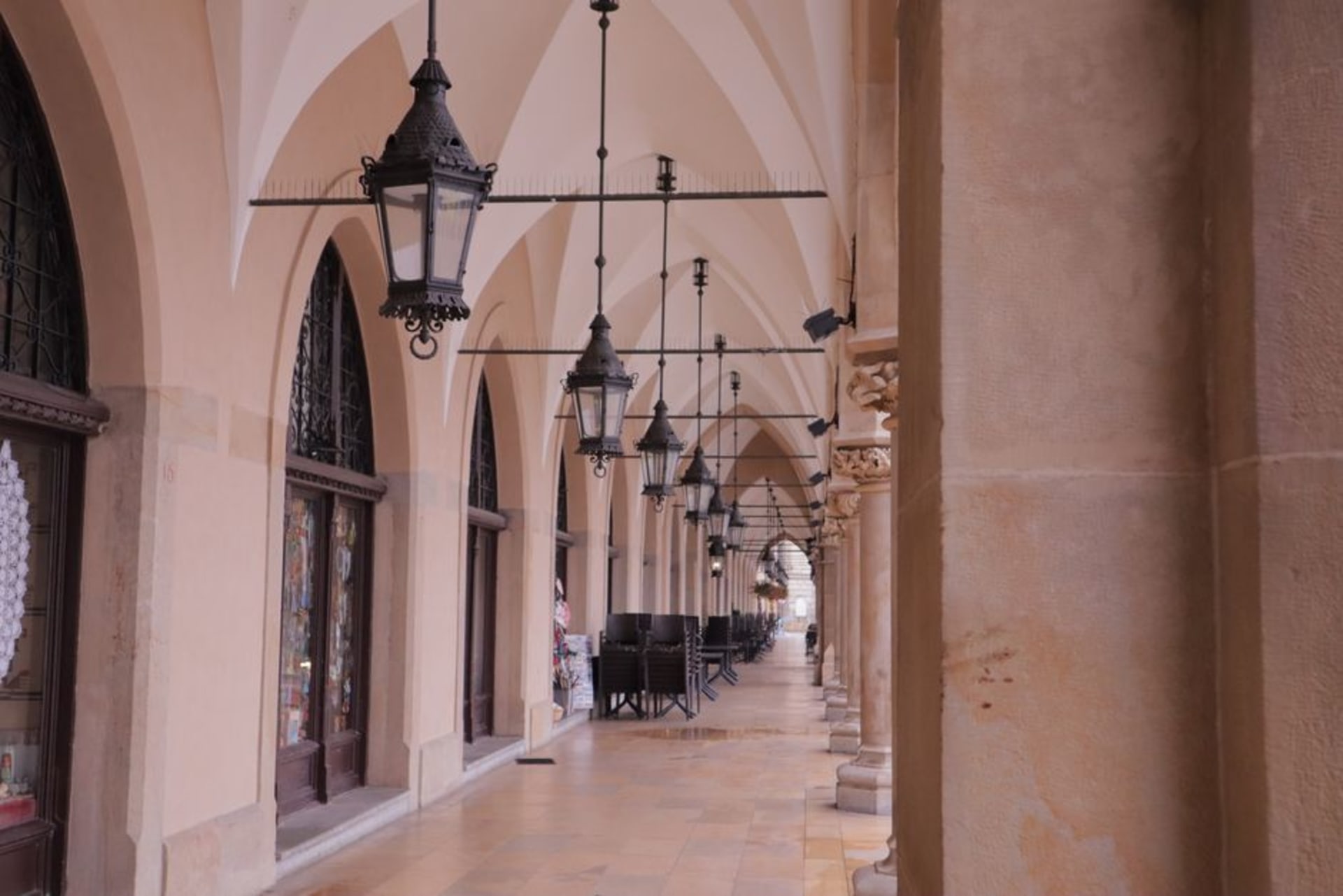
Castlemaine was, briefly, the administrative centre of the entire Mount Alexander goldfields, which at its 1850s peak was producing more gold than anywhere else on the planet. The wealth built a market building with a colonnaded facade so grand it looks more like a European exchange than a regional produce market, and a scatter of bluestone civic buildings that still outclass the population they were built for. Then the gold ran out, the railway bypassed some of the old routes, and Castlemaine settled into a long, quiet, unfussed decline that — decades later — turned out to be exactly the kind of affordable, atmospheric town that artists and tree-changers from Melbourne wanted.
I spent an entire morning at the Mill Market, a collection of antique dealers and vintage sellers packed into an old flour mill, digging through boxes of enamel signage and mid-century furniture with the kind of unhurried pleasure that only regional secondhand shopping delivers. The Castlemaine State Festival, held every two years, has become a genuinely serious arts event, filling the old buildings with installations and performances for a couple of weeks and then leaving the town to its usual quiet.
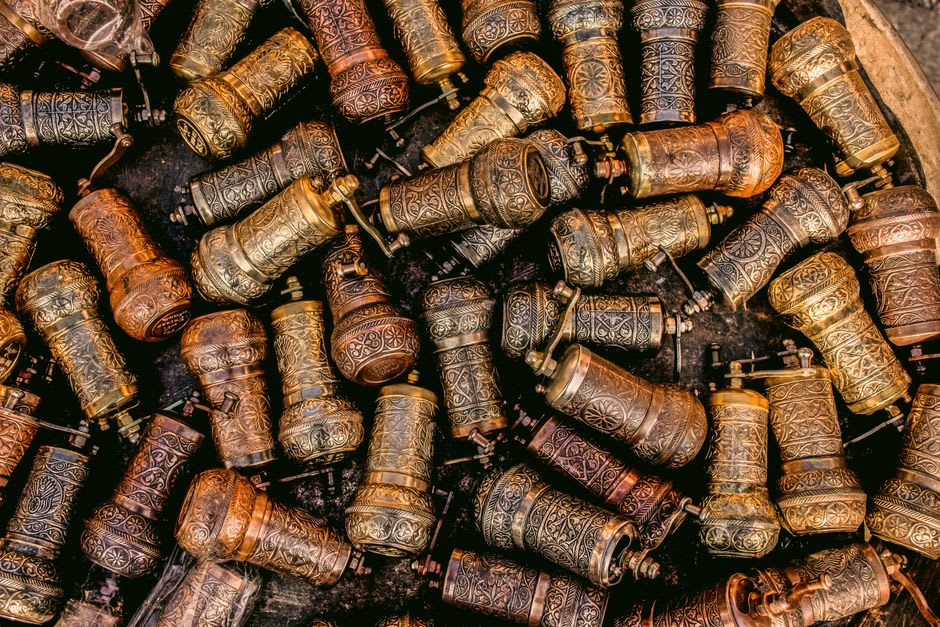
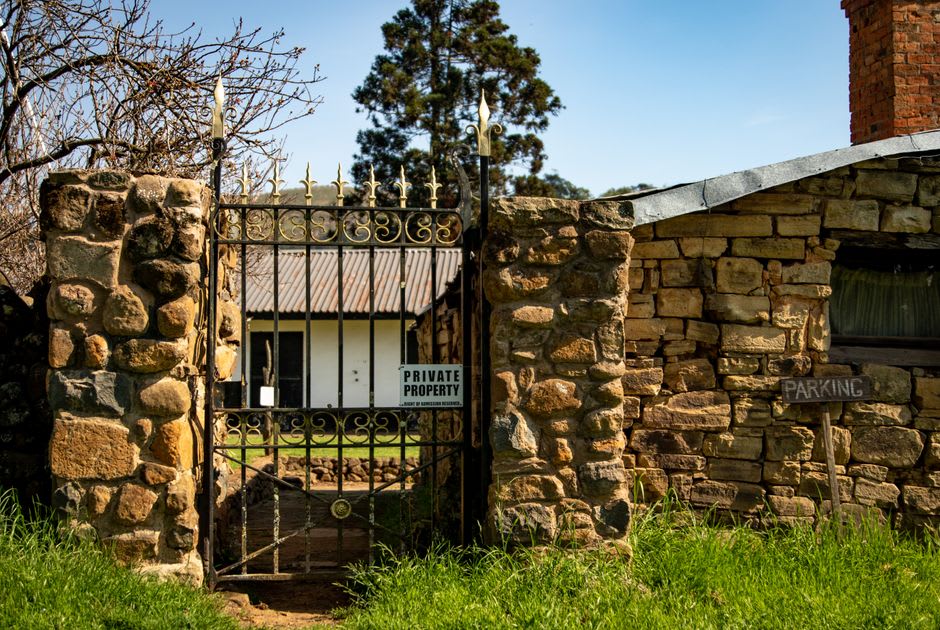
Buda Historic Home and Garden, a preserved 19th-century house with an intact Hungarian-Jewish silversmith’s workshop and gardens that have barely changed since the 1920s, gave me a completely unexpected hour — the kind of small, specific museum that tells a more human story than the big civic buildings ever could.
When to go: Spring (September–November) for the Botanical Gardens in bloom, or check the Castlemaine State Festival dates if you want the town at its most alive — it runs in odd-numbered years.