Ballarat
"Ballarat spent more on its facades in a decade than most towns spend in a century."
A goldfields boomtown that struck it so rich in the 1850s that it built itself a city of grand Victorian facades — and never really stopped being proud of it.
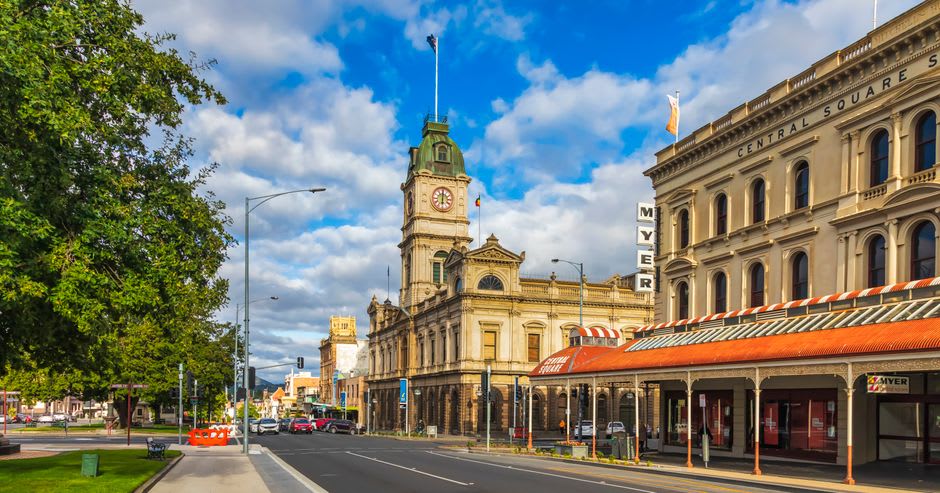
I went to Ballarat expecting a history lesson and got something closer to a shock. This was a town of maybe a few thousand people in 1851, and within a decade it was pulling more gold out of the ground than California, building itself banks and theatres and a stock exchange with the kind of architectural confidence usually reserved for national capitals. You walk down Lydiard Street today and the facades are still there — cast-iron verandas, bluestone porticoes, a post office with a clock tower that looks like it belongs in Melbourne’s CBD, not a regional town two hours west of it.
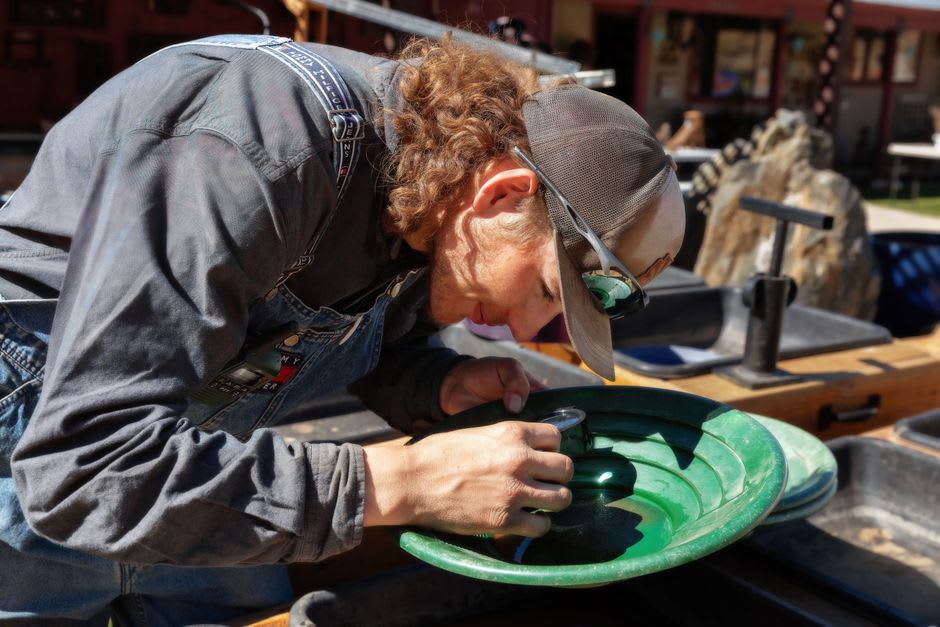
Sovereign Hill is the reason most people come, and I went in half-expecting a theme park and came out having spent four hours there without noticing the time. It is a full recreation of the 1850s diggings — actors in period dress panning the same creek, a working foundry, an underground mine tour where they cut the lights for thirty seconds so you understand what a candle really meant to a miner. I panned for gold myself, got a few flecks in my dish, and felt a genuinely stupid flush of excitement that I am not proud of but will not deny.
The Eureka Stockade site is the part of Ballarat’s story that guidebooks undersell. In 1854, gold miners fed up with corrupt licensing fees and no political representation built a wooden stockade and fought colonial troops in a battle that lasted barely twenty minutes and killed around thirty people — and it is, genuinely, treated by historians as the birthplace of Australian democracy. The Eureka Centre tells it plainly, without inflating the myth, and I left with more respect for the place than I arrived with.
Lake Wendouree, ringed by parkland and the restored Botanical Gardens with their Alfred Deakin-era statuary, is where Ballarat exhales in the evening — joggers, rowers, families feeding ducks under enormous elms that turn gold and red in autumn and make the whole lakeside look like it’s on fire.
When to go: March to May for the autumn colour around Lake Wendouree and comfortable walking weather. The Begonia Festival in March fills the Botanical Gardens with colour if you time it right. Winters are genuinely cold here — pack more than you think you need.
Keep exploring
More from Victoria
 victoria-australia
 Beechworth
A goldfields town built entirely from local granite, so intact that half of it looks unchanged since the 1860s — and the other half is a bakery queue.
Explore victoria-australia
 Bendigo
A gold rush city that spent its brief, violent fortune on Victorian architecture and hasn't fully recovered from the ambition, which makes it one of the most architecturally dense small cities in the country.
Explore victoria-australia
 Castlemaine
A goldfields town that turned its boomtown wealth into grand civic architecture, then turned its quiet decline into one of the best small arts scenes in regional Australia.
Explore victoria-australia
 Dandenong Ranges
A ridge of mountain ash forest forty kilometres east of Melbourne where the trees grow tall enough to make you feel small in exactly the way the city doesn't allow.
Explore victoria-australia
 Daylesford & Hepburn Springs
The mineral-spring capital of Australia, where Melburnians go to be quietly fussed over in a bathhouse and eat extremely well while they're at it.
Explore victoria-australia
 Echuca
The paddle-steamer capital of Australia, where the Murray River still carries wood-fired boats past a wharf that once handled more cargo than any port but Melbourne.
Explore