Mochima
"The bay smelled of salt and outboard motor and frying fish. I knew immediately I was staying longer."
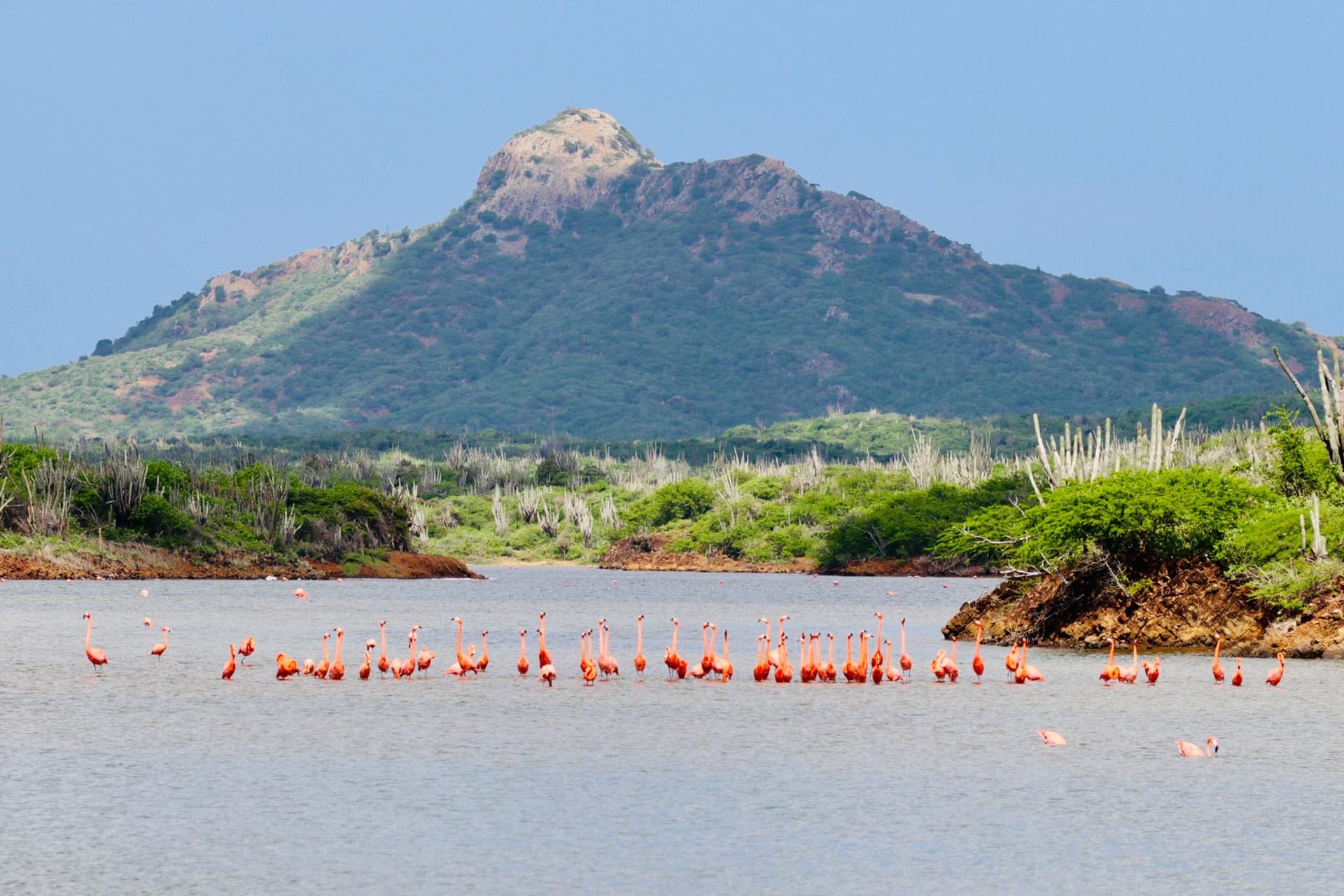
The approach to Mochima on the coastal highway from Barcelona is one of those drives that makes you understand why Venezuelans are evangelical about their northeastern coast. The road climbs through dry scrub, crests a ridge, and there — suddenly — is the sea, and it’s the particular shade of Caribbean blue-green that you keep hoping to find and rarely do. From the top of the ridge you can see the village below, the bay, and the islands just offshore that are part of Mochima National Park.
The national park covers about 95,000 hectares of coastline, islands, and marine territory between Cumaná and Barcelona. The village of Mochima itself is small enough to walk in twenty minutes in any direction — two main streets, a plaza, the dock, a handful of restaurants where the menu is whatever came in this morning. It functions primarily as a base from which boats head out to the islands, and secondarily as a place where you realize that simplicity, applied correctly, is its own sophistication.
The Water and the Islands
The clarity of the water here is remarkable. Even from the dock, looking straight down into the bay, you can see the bottom — white sand, fish moving between rocks, the occasional ray. The offshore islands, reached by lancha in ten or twenty minutes, offer snorkeling that rewards both beginners and people who’ve seen a lot of Caribbean reef: large parrotfish, angelfish in the coral heads, and in the deeper channels off the eastern islands, the occasional nurse shark resting on the sand.
Playa Colorada, a short drive from the village along the coast road, has the reddest sand in Venezuela — a deep russet from iron-rich rock — against the turquoise water. It looks implausible in photographs and more implausible in person. On weekends it fills with families from Cumaná and Barcelona; on weekday mornings it’s largely empty.
The Fishing Life
Mochima is not a tourist town that has fishing boats. It’s a fishing town that has tourists, and the distinction matters. The lanchas that take you to the islands are the same boats that go out for pargo and mero before dawn. The fishermen pull up at the dock at nine in the morning and the restaurants buy what they need and the rest goes to the coolers at the market. You eat what was caught that morning, which in practice means red snapper fried whole with yuca, or grilled with garlic, or in a stew with coconut milk if the cook is feeling ambitious.
The small restaurant on the main road with no name and plastic chairs — the one run by a woman who does everything including catching her own octopus, if you believe the story, which I did — served me the best ceviche of my Venezuelan trip: conch and fish both, dressed with enough lime and ají to require respect.
Living at the Bay’s Pace
What Mochima does is slow you down without effort. The bay is calm in the morning. The boats leave, come back, leave again. The pelicans work the shallows with professional focus. By four in the afternoon the light on the water turns gold and then orange and the hills behind the village go dark first and you realize you’ve spent the entire day doing approximately nothing measurable.
Lia found a hammock strung between two palms at the edge of the dock — someone had left it there and apparently didn’t need it back — and declared it home for the afternoon. I didn’t argue.
When to go: December through April is the reliable dry season with calm seas and consistent sunshine — the best period for island day trips and snorkeling. July and August also see reduced rainfall and are popular with Venezuelan domestic visitors. Weekdays throughout the year offer far more tranquility than weekends. Arrive with cash; ATM availability in the village is unreliable.