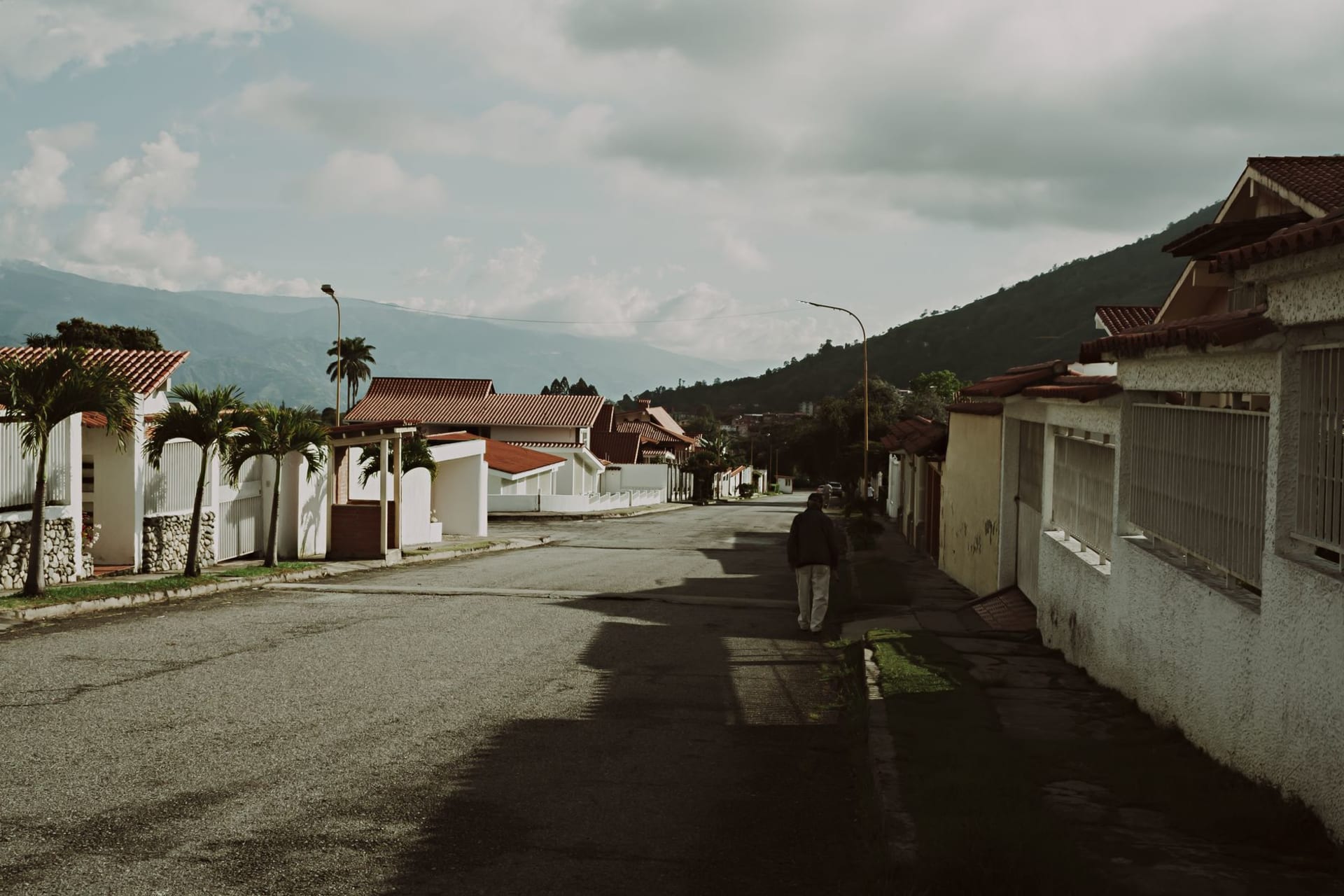
Mérida
"The ice cream shop had forty-seven flavors. Number twelve was arepas. I ordered it twice."
Mérida sits in a long narrow valley between two Andean ranges at about 1600 meters, which is high enough that the heat of the Venezuelan coast feels like a rumor. The air is cool and clean and slightly thin, and the city carries the particular energy of a place where most residents are either students or have recently been students — opinionated, caffeinated, perpetually late for something.
The city itself is not spectacular in the conventional sense. The Plaza Bolívar is handsome without being dramatic. The colonial architecture is intact but unshowy. What Mérida has is atmosphere — the kind that settles on you slowly, through multiple cups of coffee and conversations with strangers, through evenings that cool down fast and smell of eucalyptus from the hills.
The Teleférico and What Lies Above
The Teleférico de Mérida was once the world’s highest cable car, climbing from the city to Pico Espejo at 4765 meters in four stages. The infrastructure has been in varying states of repair, with sections periodically operational and sections not — you check what’s running before you plan anything around it. Even the lower stations give access to the cloud forest, where the vegetation changes so abruptly from the valley floor that it feels theatrical, like someone changed the set between acts.
Above the third station the páramo begins. This high-altitude grassland is unlike anything else in Venezuela: yellow-green tufts of frailejón plants with their felt-like leaves, the ground spongy underfoot, the horizon a 360-degree ring of ridgelines. I arrived at midday when the clouds were still below us, and for about forty minutes the whole country looked small.
Eating in Mérida
The heladerías are not a gimmick, or rather they started as one and became an institution. The famous shops — Coromoto most famously — have expanded their flavor catalogues to include things like smoked trout, black beans, and cachapa. The texture is different from Italian gelato, denser and slightly icier, and the experience of ordering a scoop of pabellón criollo-flavored ice cream while surrounded by locals treating this as completely normal is one of those small travel moments that stays with you.
Beyond the ice cream, Mérida eats well. The Andean tradition here runs to truchas (trout from the cold mountain rivers), cachapas, and pizca andina — a local soup of potatoes, egg, milk and cilantro that you eat for breakfast on cold mornings and feel immediately resolved about your existence.
Into the Villages
The road west from Mérida toward Los Pueblos del Sur — villages like Jají, La Azulita, Bailadores — winds through agricultural country that the 21st century has touched lightly. Whitewashed churches, coffee fincas on the slopes, cows on roads that weren’t designed with cows in mind. Jají in particular is almost aggressively colonial, preserved to the point that it can feel like a film set, but the surrounding countryside is genuinely beautiful and the panadería near the plaza makes cheese bread that justifies the drive alone.
I rented a jeep for two days and had to stop every forty minutes because of something new in the light.
When to go: The dry season runs roughly December through March, ideal for the Teleférico and high-altitude hiking. The rainy season (May–October) brings afternoon downpours but lush green landscapes and fewer visitors. Avoid the summit stations during clear-day weekends when queues grow long. December and January see cool nights; bring layers regardless of when you visit.