Colonia Tovar
"I came around a bend in the cloud and found the Black Forest sitting in the Venezuelan Andes."
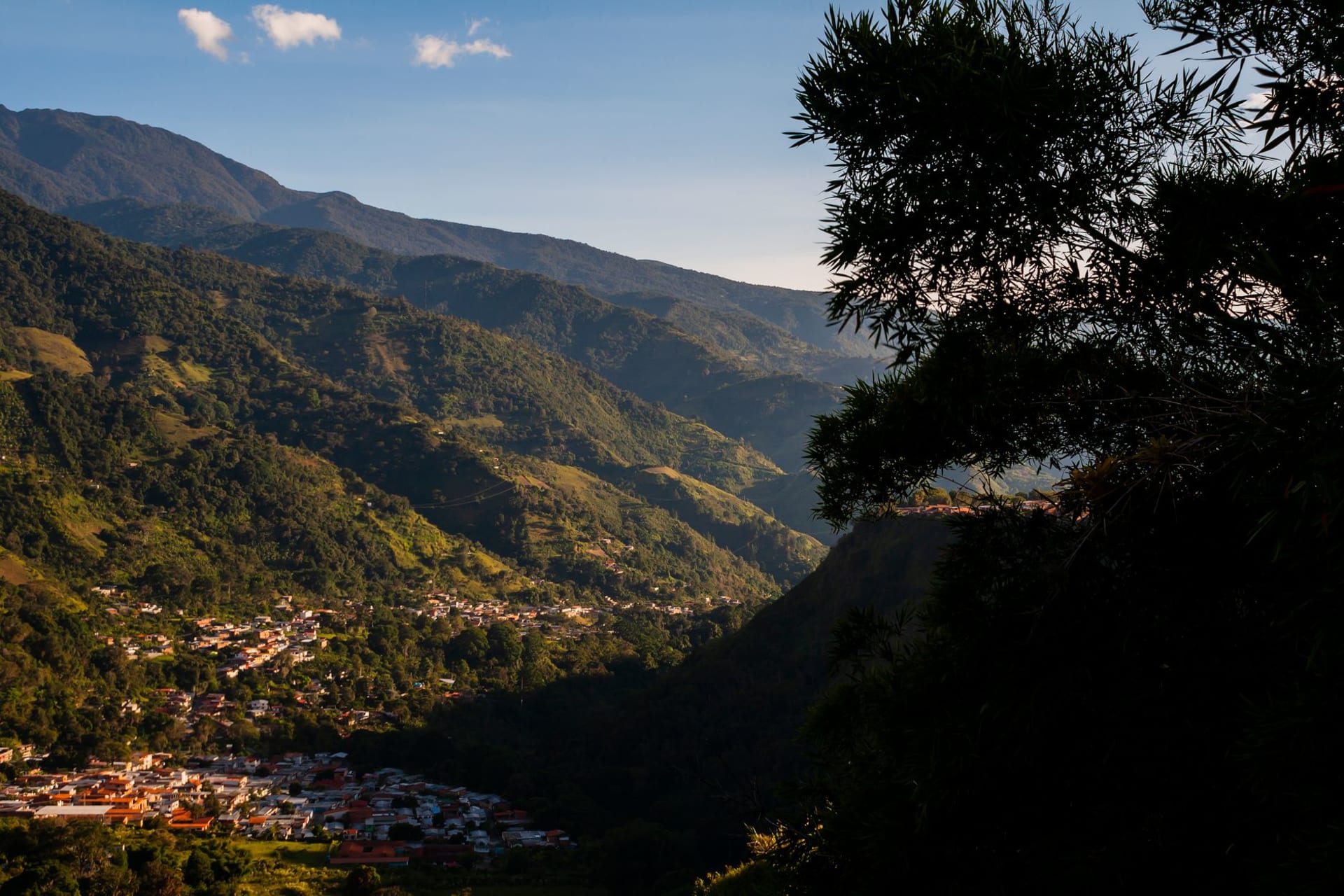
There is a stretch of road climbing out of the Aragua coast where the air cools, the cloud closes in, and then, absurdly, the Black Forest appears. Steep-pitched roofs, dark timber framing, window boxes — a German alpine village stranded at nearly two thousand metres in the Venezuelan mountains. I had read about Colonia Tovar before we went, and I still wasn’t quite prepared for how committed it is to the bit.
The town was founded in 1843 by settlers from Baden, in southwest Germany, who came over as a colony and then, through a mix of isolation and stubbornness, stayed almost entirely German for generations. Until well into the twentieth century the place spoke an archaic dialect of Alemannic and married only within itself. The road from Caracas wasn’t even paved until the 1960s. That isolation is the whole story of why it still looks the way it does.
A Village That Time Misplaced
We arrived mid-morning into thick cloud, which the locals will tell you is the normal state of affairs. The damp does something to the timber and the woodsmoke and the geraniums — it all smells like a place much further north and much colder. We wandered the steep lanes more or less at random, past bakeries selling strudel and dark bread, past a stone church that wouldn’t look out of place in a Swabian valley.
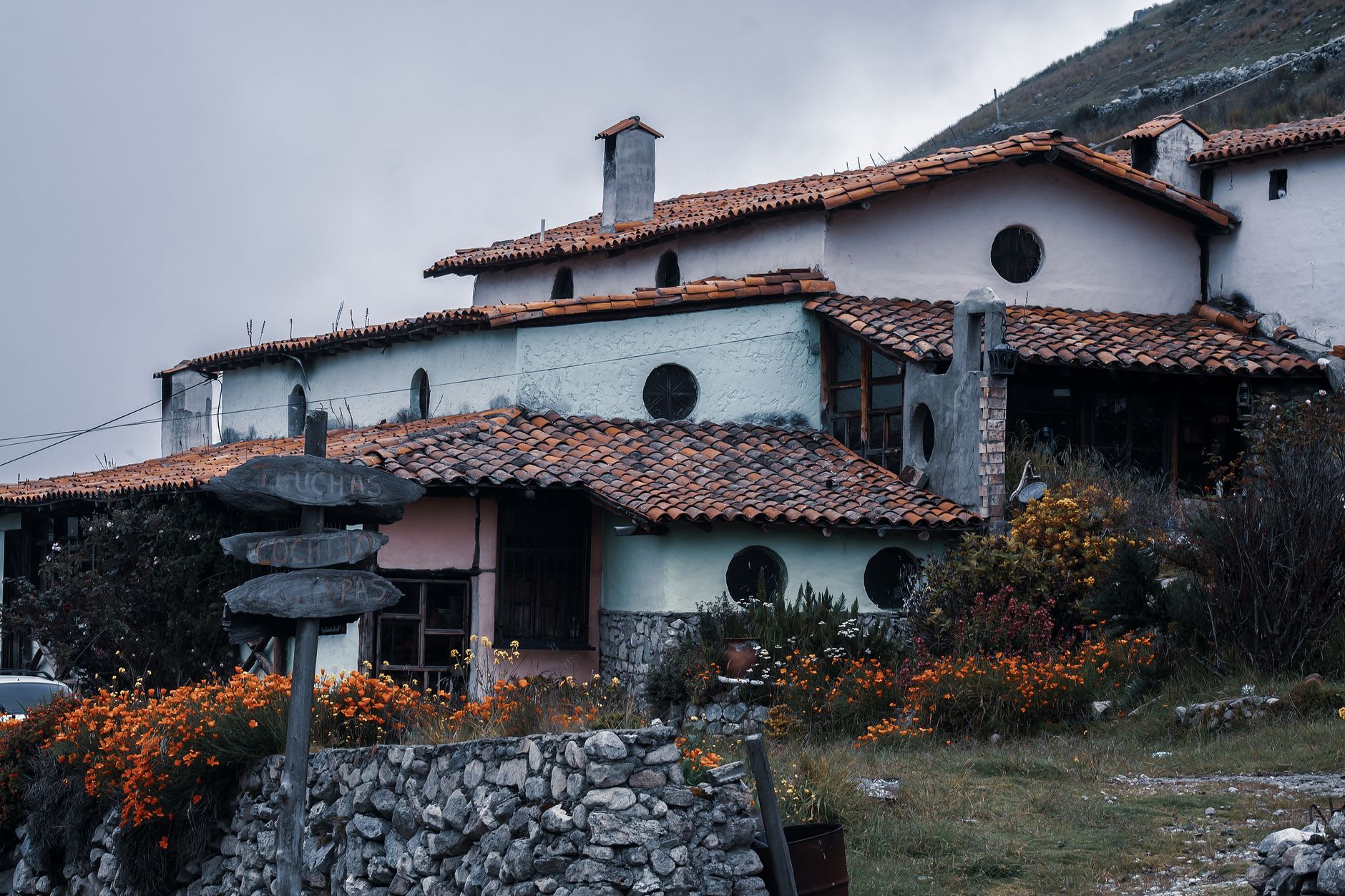
Lia, who grew up near the actual Alps, kept stopping to point out details that were almost right and slightly off — a roofline that a real Bavarian builder would have done differently, a sign in fraktur lettering advertising arepas. That gap is the charm of the place. It isn’t a theme park. It’s a real town that happens to have inherited a very particular face.
Strawberries, Sausage, and Cold Beer
The cool mountain climate makes this Venezuela’s fruit and vegetable garden. Roadside stalls sell strawberries, peaches, and great bundles of cut flowers, and the restaurants lean hard into a German-Venezuelan hybrid that should not function but does. I ate a plate of sausage and sauerkraut at a place with checked tablecloths, washed down with a locally brewed beer, while fog pressed against the windows.
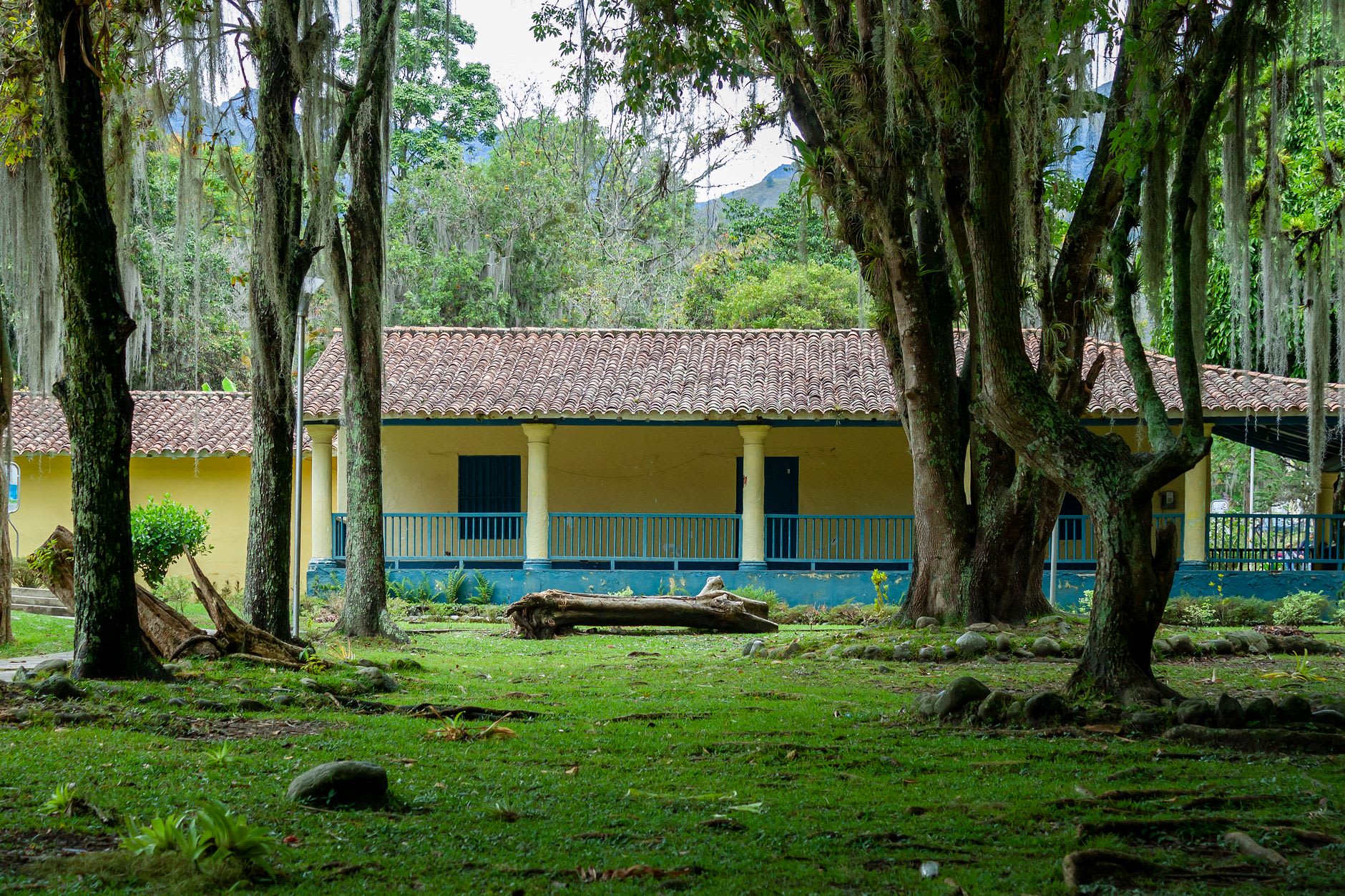
It was, I’ll admit, a strange meal to be eating a couple of hours from the Caribbean. But the cold justified it, and so did the beer. Afterwards we bought a jar of strawberry jam from a woman who switched between Spanish and a few words of German without seeming to notice she was doing it.
The Practical Reality
Getting here is a winding two-to-three-hour drive from Caracas, and the road is narrow and well-trafficked on weekends, when half the capital seems to come up for the cool air. Go on a weekday if you possibly can. The cloud means you should bring a jacket even when Caracas is sweltering; people consistently underestimate how cold it gets. We stayed one night, which let us see the town empty out in the evening and fill back up the next morning — two completely different places.
When to go: the dry season (December to April) gives you the best odds of breaking through the cloud for a view. Visit midweek to avoid the Caracas weekend exodus, and pack a layer regardless of what the lowland weather is doing.