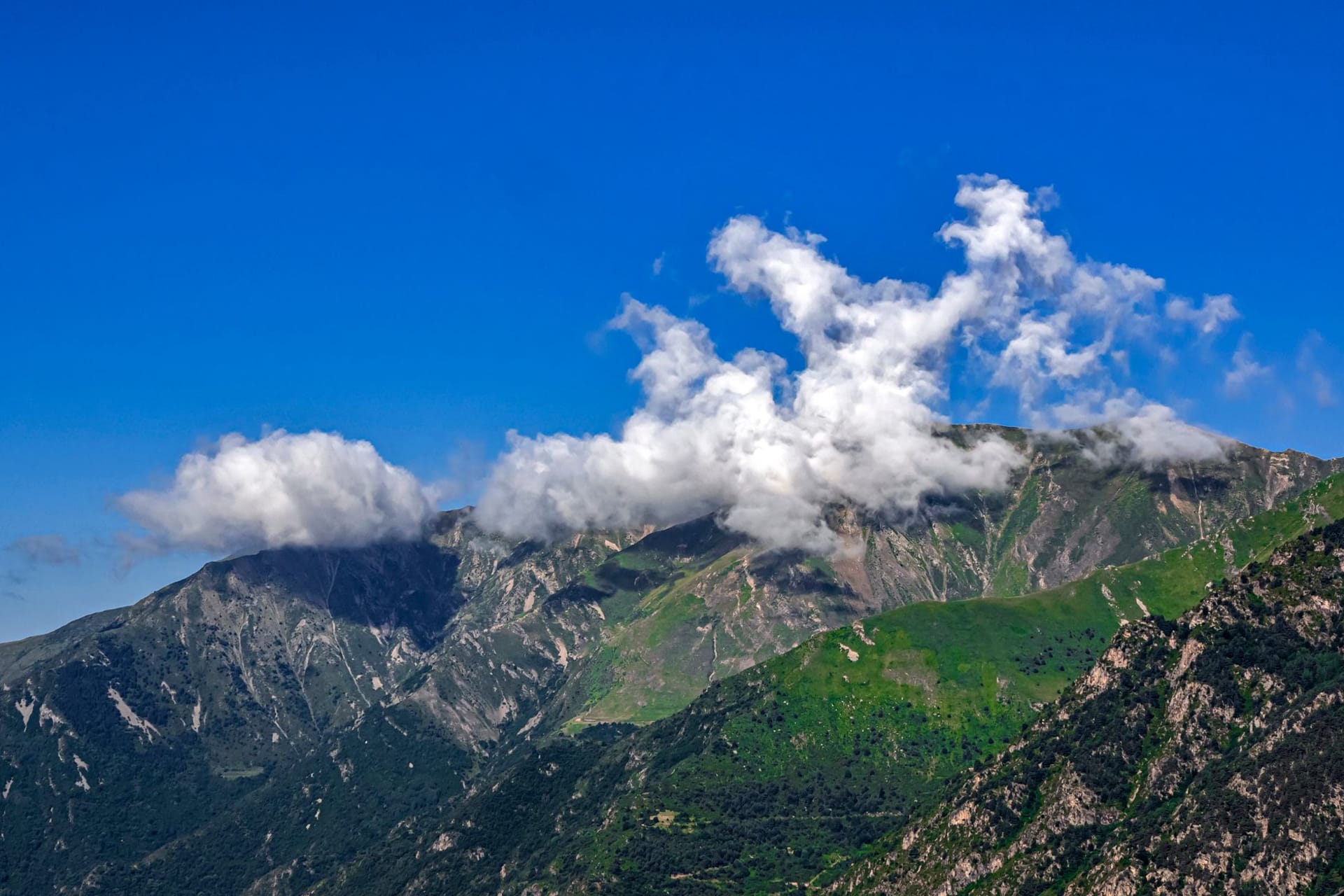
Chimgan Mountains
"After a week of desert and turquoise domes, I had completely forgotten Uzbekistan had mountains. It has excellent mountains."
You travel to Uzbekistan for the Silk Road cities — for the blue domes of Samarkand, the mud-walled old town of Khiva, the close warren of Bukhara. You do not, generally, travel to Uzbekistan for the mountains, which is exactly why the Chimgan range came as such a delight. After a week in which every horizon had been either desert flat or a tiled minaret, climbing into the western spurs of the Tian Shan north-east of Tashkent felt like stepping into an entirely different country that happens to share a border with itself.
It’s an easy run from the capital — a couple of hours by shared taxi, the road climbing out of the Tashkent haze into clearer, cooler air, past roadside stalls selling honey and dried apricots and the season’s fruit. Tashkent gets brutally hot in summer, and the locals have long known that the cure is to go up. Chimgan and the neighbouring Beldersay slopes are the city’s escape valve: a ski resort in winter, a hiking and picnicking refuge in summer.
Up the old chairlift
The centrepiece, for the lazily inclined, is the open chairlift that hauls you up the flank of the mountain. It is gloriously, unapologetically Soviet — a single bar across your lap, your feet dangling over the slope, the cable humming, the whole apparatus radiating the calm confidence of machinery that has been doing this since long before anyone worried about it. Lia loved it immediately. I made my peace with it somewhere around the second pylon and then, I’ll admit, loved it too.
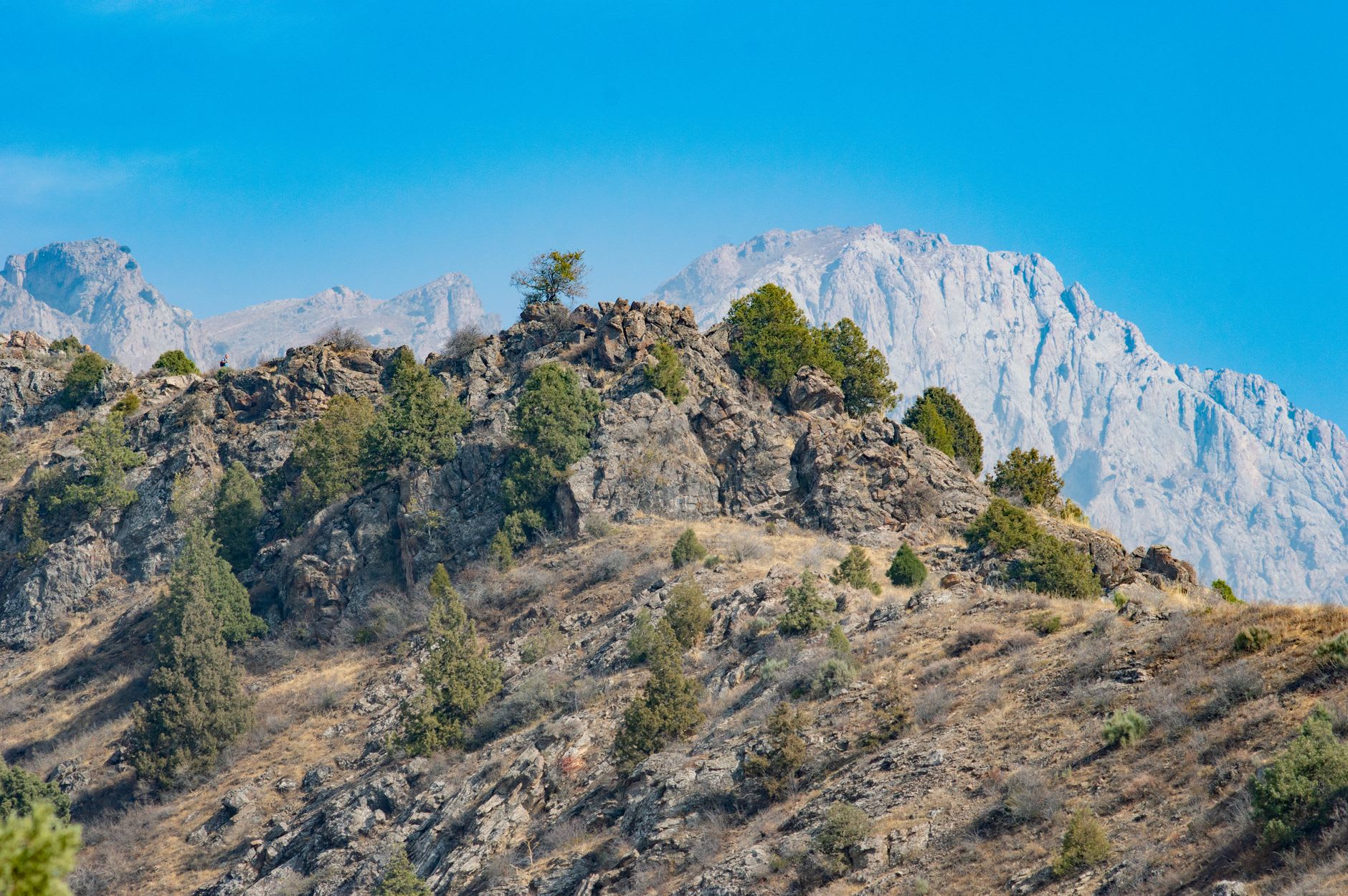
The view from the upper station is worth every creaking metre of the ascent. In summer the slopes are green and dotted with wildflowers, the higher peaks still streaked with the last of the snow, and the air has that thin clean alpine quality that makes you breathe deliberately. We walked along the ridge for an hour, met a Tashkent family who shared their bread and a thermos of tea with the instant generosity I’d encountered all over the country, and watched eagles riding the thermals below us — which is a strange thing to see, a bird of prey circling beneath your feet.
The lake below
Spread out at the foot of the range is the Charvak reservoir, an artificial lake of a turquoise so vivid it looks photoshopped against the dun mountains around it. In summer its shores fill with Uzbek holidaymakers — there are swimming spots, a few resorts, men selling rides on jet skis with more enthusiasm than caution. We drove down to a quiet stretch of shoreline in the late afternoon and swam in water that was startlingly cold and clear, the mountains we’d been standing on that morning now reflected across the surface.

There’s a particular pleasure in swimming in mountain meltwater while the heat of a Central Asian summer presses down from above, and we lingered on the shore until the light went gold and the day-trippers began packing up their picnics. A man near us was grilling shashlik over a small fire, the smell of lamb fat and cumin drifting over the water, and he waved us over and refused payment for the skewers he handed us. Uzbekistan does this constantly. I never got used to it, in the best way.
Worth the detour
Chimgan won’t replace Samarkand or Bukhara in anyone’s memory of Uzbekistan, and it shouldn’t. But it’s the perfect counterweight to all that magnificent history — a couple of days of green ridges, cold lake water and rickety chairlifts that reminds you the country is more than its monuments. If you’ve been overdosing on tilework, go up the mountain. It clears the head.
When to go: June to September for hiking, swimming and the chairlift, when the slopes are green and the lake is warm enough to brave. December to March turns Chimgan and Beldersay into Uzbekistan’s main ski area — modest by Alpine standards, but a genuine novelty.