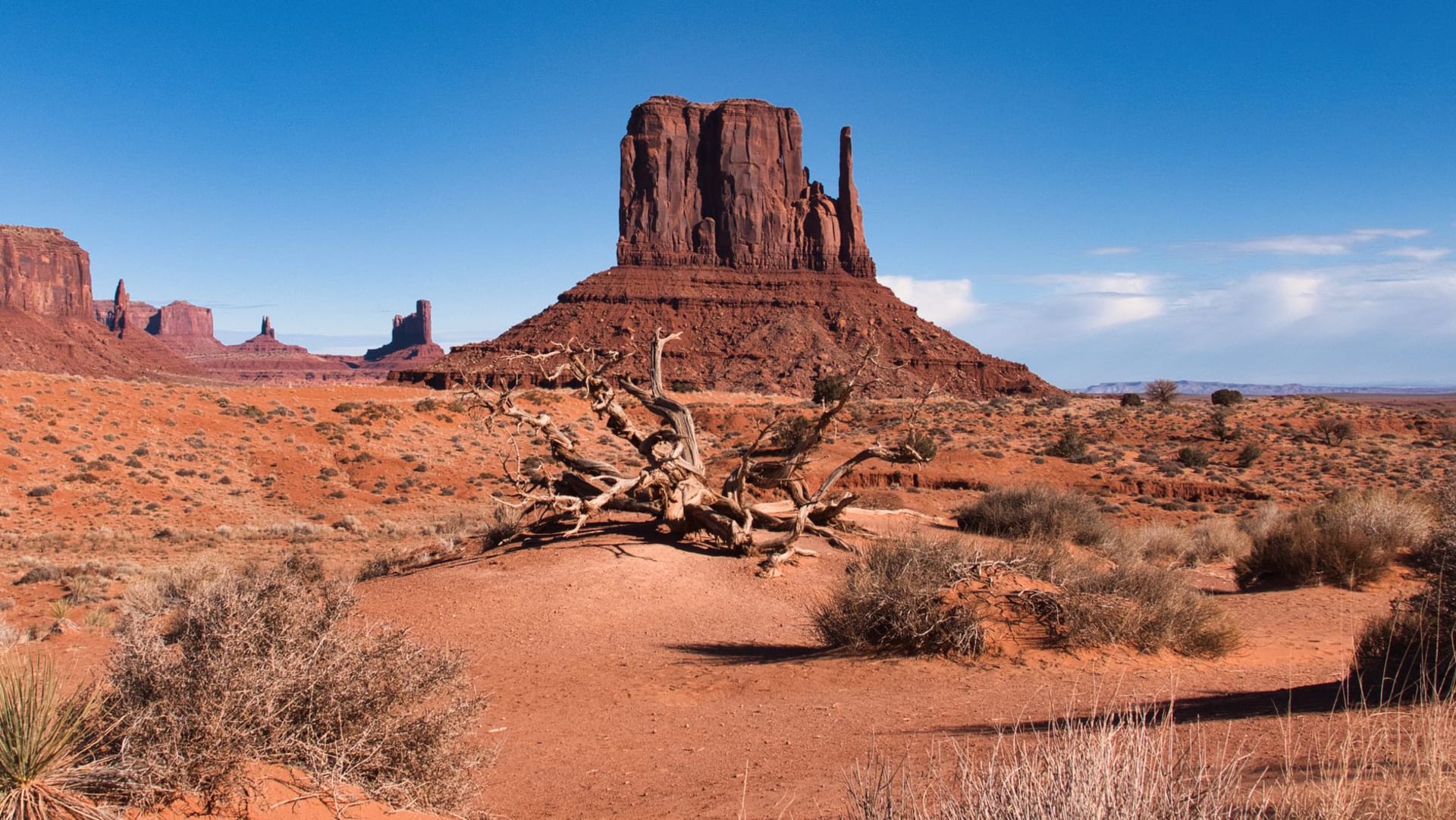
Monument Valley
"I'd seen Monument Valley in a hundred films. None of them had gotten the silence right."
Three sandstone buttes so iconic they've become shorthand for an entire idea of the American West — and they're still bigger and stranger in person than any film suggested.

Monument Valley sits on the Utah-Arizona border within the Navajo Nation, and most people pass through it on a single afternoon as part of a longer road trip, which is a reasonable strategy and also slightly tragic. The valley earns more than that. The three famous buttes — West Mitten, East Mitten, and Merrick — are the most frequently photographed landforms in North America after the Grand Canyon, and yet standing at the valley edge as dawn turns the red spires the color of cooling iron, you understand why photographers keep returning. The image doesn’t exhaust itself.
The Navajo Nation administers Monument Valley as a tribal park, which means the experience is structured differently from federal parks. Entry fees go to the Navajo Nation. Tours are led by Navajo guides. And the roads into the valley beyond the main viewpoint require a licensed Navajo tour operator — you cannot wander independently into the inner valley, which is the right call.
The View Hotel at Dawn
The View Hotel sits directly on the valley rim with its iconic three buttes visible from the restaurant windows, the lobby, and the private balconies of the premium rooms. I’d read enough complaints about the prices and thin walls to have low expectations, and then I woke at 5am and opened my balcony door and the buttes were just there in the darkness, slowly taking shape as dawn came up behind me. For about forty minutes I did nothing but watch.
This is the honest argument for spending at least one night here: the crowds that arrive at 9am by tour bus haven’t appeared yet, and the quality of early light on those formations justifies the room cost in a way that’s embarrassing to admit to yourself and accurate anyway.
The Valley Loop Drive
The 17-mile unpaved loop road through the valley floor is accessible by standard vehicles in dry conditions, though clearance matters on the rougher sections. It passes through the valley between and around the buttes, visiting sites like John Ford’s Point — named for the director who used Monument Valley as backdrop for Stagecoach and The Searchers and several others — and various pullouts facing the Three Sisters formation.
Driving the loop in the afternoon when the light hits the western faces of the formations is different from the dawn view. The color deepens, the shadows become more extreme, and the valley takes on a quality that is genuinely cinematic — not because film taught me to see it that way, but because the light and scale really do something specific to how space reads.
Navajo-Guided Tours
The jeep tours run by Navajo guides go beyond the loop road into sections of the valley closed to independent visitors — the ear of the wind arch, painted hands petroglyph panels, hidden slot canyons. The guides I’ve spoken with are not delivering a performance of cultural information; they’re talking about the place they grew up, which is a different thing with a different texture. One guide told me that his grandfather used the painted hands panel as a directional marker when herding sheep, and pointed to a specific stone formation his family considers a landmark. I didn’t photograph that section. It felt wrong to.
The horseback tours cover different terrain and move at a pace that lets the landscape settle. Two hours on horseback through a desert at that scale recalibrates your sense of distance completely.
When to go: Spring (April–May) and autumn (September–October) are ideal. Summer brings extreme heat but also the possibility of dramatic afternoon thunderstorms that produce vivid lightning over the buttes — photographers plan specifically for monsoon season. Winter can produce snow on the valley floor, which turns the red rock a startling combination against white. Avoid the loop road immediately after rain — the clay soil becomes impassable.
Keep exploring
More from Utah
 utah
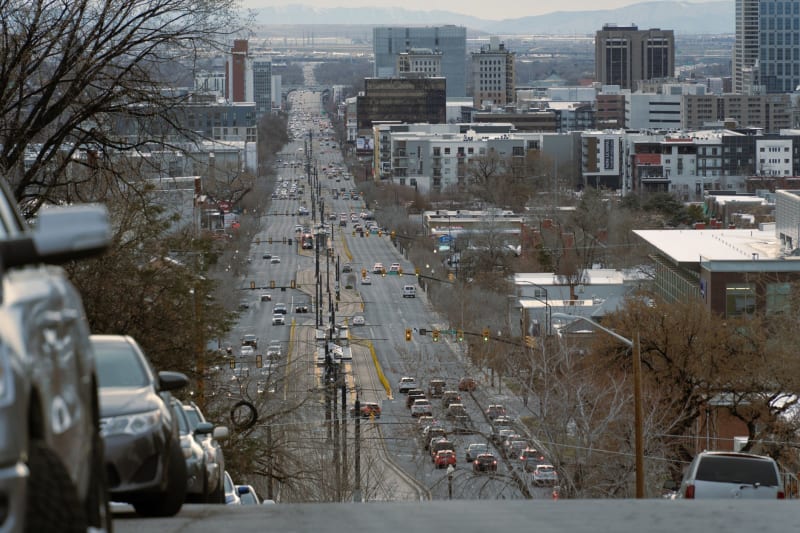
utah Park City
A silver-mining boomtown that reinvented itself as a ski resort and then again as the home of Sundance — Mountain West wealth with a Main Street that still remembers being a saloon.
Explore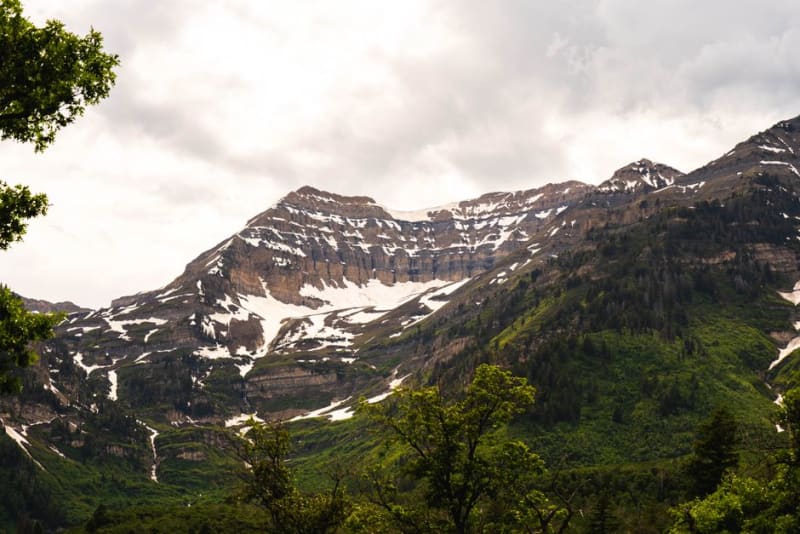 utah
utah Provo
A college city at the mouth of Provo Canyon, sitting beneath Mount Timpanogos with easy access to waterfalls, canyon hikes, and Utah Lake.
Explore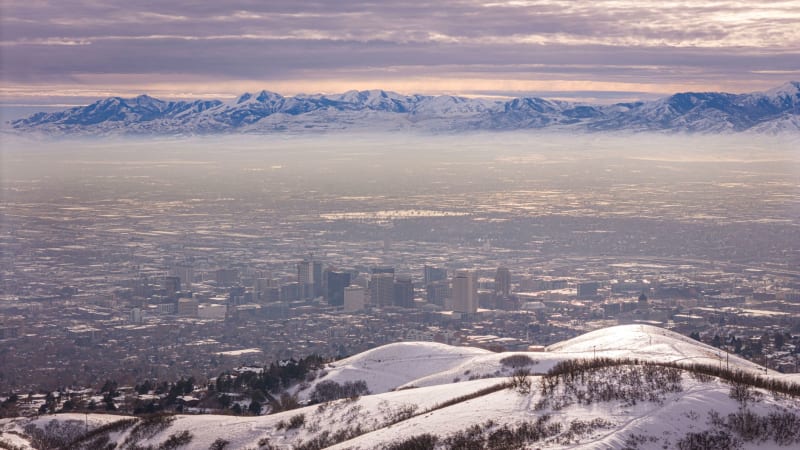 utah
utah Salt Lake City
A grid city laid out with the precision of religious conviction, hemmed by mountains on three sides and a lake that smells like nothing in the natural world should.
Explore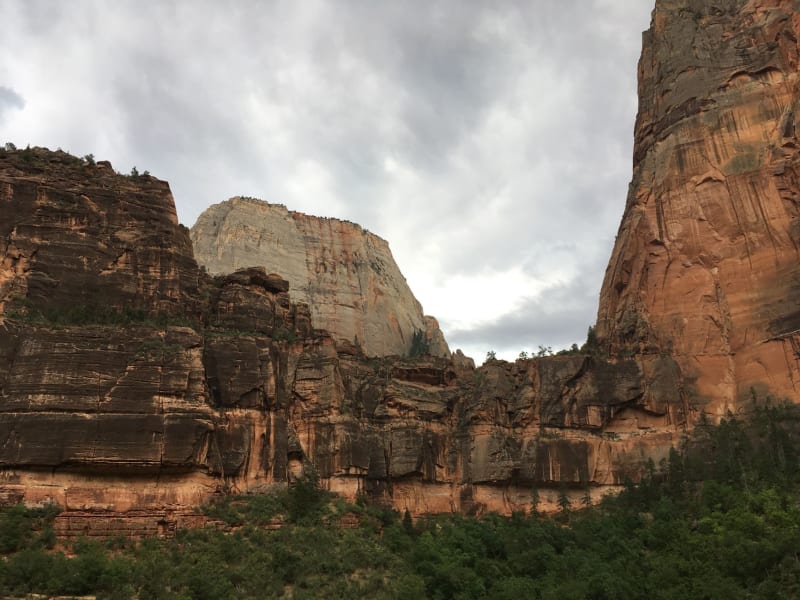 utah
utah Zion National Park
A cathedral of sandstone so vertical and so red it makes your neck ache just standing at the canyon floor.
Explore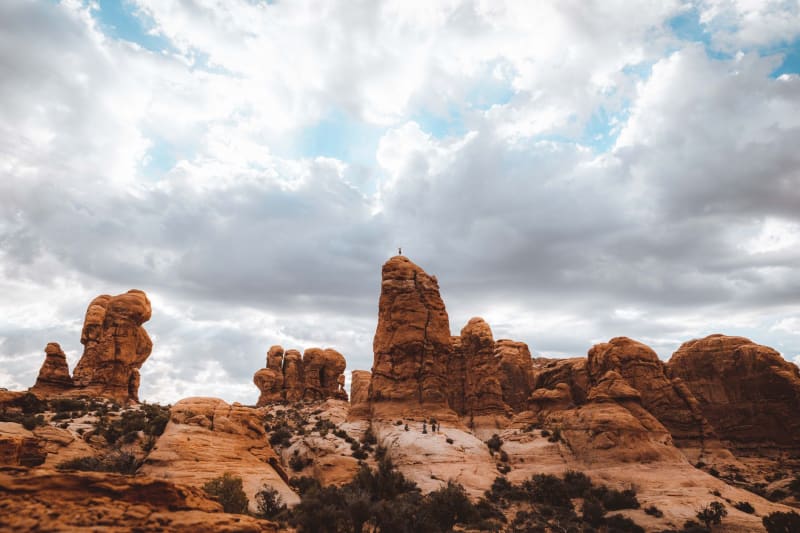 utah
utah Arches National Park
A park where the ground itself has been punched through in over two thousand places, leaving spans of red sandstone hanging improbably against the sky.
Explore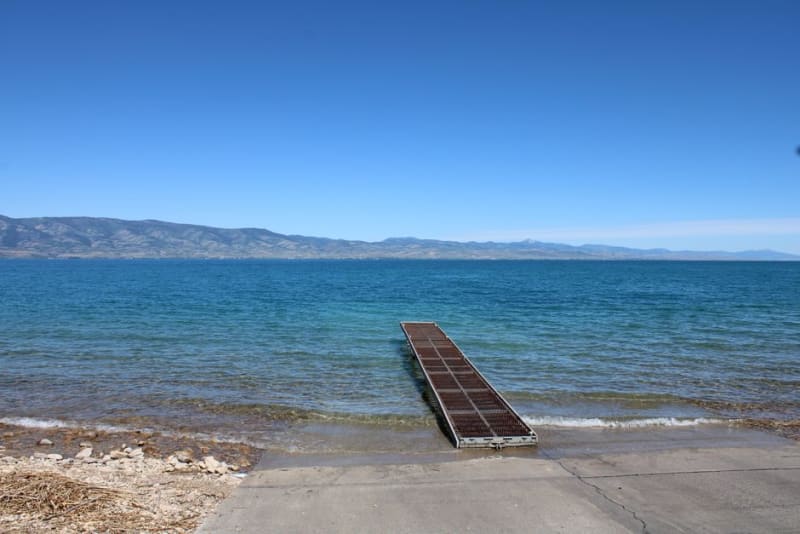 utah
utah Bear Lake
A strikingly turquoise alpine lake straddling the Utah-Idaho border, nicknamed the 'Caribbean of the Rockies' for its glacial-mineral blue water.
Explore